Un viaje a través del alma artística de Viena
El Wien Museum se erige como un profundo testimonio del legado perdurable de innovación artística y grandeza cultural de Viena; un repositorio que no solo alberga objetos, sino narrativas tejidas a través de siglos de historia. Situado en la vibrante Karlsplatz, su imponente presencia encarna una fusión deliberada de estilos que reflejan momentos cruciales en el pensamiento arquitectónico vienés. Al recorrer sus salas, el museo ilumina la evolución del arte desde las reliquias neolíticas hasta mediados del siglo XX, trazando la transformación del paisaje urbano de Viena, de un asentamiento fortificado a una metrópolis moderna y bulliciosa. Es un lugar donde la historia respira, ofreciendo reconstrucciones meticulosas de la vida cotidiana que permiten a los visitantes vislumbrar las costumbres sociales y los avances tecnológicos que forjaron la identidad misma de esta capital imperial.
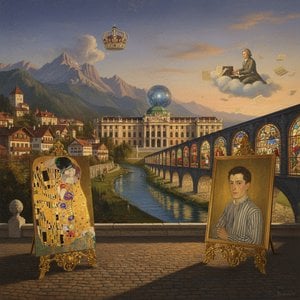
Dominando el centro de atención del museo se encuentra, sin duda, la trascendente obra de Gustav Klimt , cuyo trabajo sirve como el corazón palpitante de la colección. Aquí, la visión simbolista cobra vida a través de obras maestras que exploran temas de mitología, intimidad y la forma femenina. Los visitantes pueden quedar hechizados por el monumental retrato “Adele Bloch-Bauer I,” , una obra que ejemplifica el uso magistral del pan de oro por parte de Klimt. Esta técnica eleva la pintura más allá de la mera representación, transformándola en un emblema de belleza opulenta y contemplación espiritual. Junto a estos tesoros secesionistas se encuentran las obras de artistas del barroco austriaco, que demuestran el papel histórico de Viena como cuna de una intensa experimentación artística y esplendor dorado.
Diálogo arquitectónico y renovación moderna
La arquitectura del propio museo cuenta una historia de resiliencia y renovación. Concebido originalmente por Oswald Haerdtl en 1959, el edificio fue una respuesta audaz al esfuerzo de reconstrucción de la posguerra, combinando magistralmente elementos del brutalismo con la estética elegante de la Secesión Vienesa. Este diálogo entre el hormigón bruto y las curvas refinadas refleja las aspiraciones de Viena hacia un renacimiento artístico tras décadas de agitación. La narrativa del museo continúa evolucionando a través de expansiones recientes, incluyendo un nuevo pabellón diseñado por el visionario Coop Himmelbichl . Esta adición ha duplicado la superficie del museo, creando una experiencia inolvidable donde la innovación arquitectónica contemporánea se encuentra con la profundidad histórica.
Más allá de los marcos dorados de la era moderna, el Wien Museum ofrece un panorama cronológico de la civilización humana en Europa Central. Desde la antigua Vindobona romana —que alguna vez fue un vibrante centro comercial— hasta artefactos neolíticos desenterrados en las estribaciones de los Cárpatos, la colección proporciona un contexto invaluable para interpretar el surgimiento de la fe cristiana y las complejidades de las migraciones germánicas. Lo que verdaderamente distingue a esta institución es su compromiso inquebrantable con la narrativa; presenta las obras de arte no como objetos aislados, sino como componentes vitales de un diálogo humano más amplio. Para los amantes del arte y los coleccionistas por igual, el museo sirve como un faro de entendimiento cultural, donde cada artefacto invita a una contemplación más profunda de las corrientes intelectuales que han impulsado a Viena a la vanguardia de la historia del arte mundial.