



Un Retablo Vivo de la Edad de Oro Holandesa
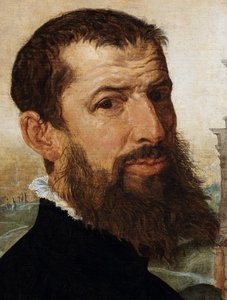
Adentrarse en el Museo Frans Hals es trascender los límites del tiempo, dejando atrás las calles modernas de Haarlem para sumergirse en un mundo definido por las texturas luminosas y la humanidad vibrante del siglo XVII. El museo es mucho más que un simple repositorio de lienzos y pigmentos; es un viaje inmersivo a través del alma misma de la Edad de Oro holandesa. En su corazón reside el profundo legado de Frans Hals, un maestro cuyo enfoque revolucionario del retrato transformó nuestra percepción del individuo. Su pincelada, célebre por ser suelta y alla prima , posee una vitalidad casi eléctrica, capturando no solo el parecido físico de sus sujetos, sino también sus expresiones fugaces, su posición social y su propia esencia. Entre estos muros, los pesados silencios de la historia se rompen con las miradas vivaces de mercaderes, eruditos y oficiales de milicia, invitando a cada visitante a participar en un diálogo centenario de carácter y luz.
El entorno arquitectónico de la colección es una obra maestra tan grande como las pinturas que protege. El edificio principal del museo se encuentra en el histórico Oudemannenhuis , un elegante hospicio para ancianos establecido en 1609. Este hofje , o complejo de patios, susurra historias sobre las profundas tradiciones de Haarlem de deber cívico y cuidado comunitario. Al caminar por las salas de los regentes, meticulosamente restauradas, se siente el peso de las estructuras sociales de la época; estos espacios opulentos sirvieron antaño como telón de fondo para la élite de la ciudad y hoy proporcionan un escenario perfectamente auténtico para los grandiosos retratos grupales de Hals. La interacción entre la arquitectura histórica y el arte crea una sensación de continuidad, donde la grandeza de los interiores del siglo XVII insufla vida a las composiciones monumentales de la Compañía de Milicia de San Jorge y otras celebraciones cívicas.
Un Diálogo entre Herencia y Modernidad
Aunque el museo está anclado en la gloria del pasado, se niega a permanecer como un monumento estático. Esta tensión entre tradición e innovación es más palpable en Location Hal . Situado en el antiguo Vleeshal —un histórico mercado de carne—, este espacio ofrece una sorprendente yuxtaposposición arquitectónica donde la rudeza de la antigua Haarlem se encuentra con las líneas limpias del diseño de exposiciones contemporáneo. Es aquí donde el museo alcanza su brillantez única, al albergar exposiciones rotativas que tienden un puente entre los maestros de la Edad de Oro y los artistas de vanguardia de hoy. Al situar obras modernas junto a los legados de Judith Leyster, Cornelis van Haarlem y Jacob van Ruisdael, el museo fomenta una comprensión profunda de la evolución artística, demostrando que el espíritu revolucionario de Hals continúa resonando en el lenguaje visual contemporáneo.
Para el coleccionista exigente o el diseñador de interiores, el Museo Frans Hals ofrece una fuente de inspiración sin igual. La colección no es meramente un estudio de la técnica, sino una clase magistral de color, composición y atmósfera. Desde los delicados y luminosos tonos de piel en retratos íntimos hasta el dramático juego de luces y sombras en las naturalezas muertas holandesas, el museo ofrece una mirada profunda a cómo el arte puede definir un espacio y evocar emociones. Ya sea que uno se sienta atraído por la profundidad psicológica de las figuras modernas de Charley Toorop o por el realismo impresionante de los maestros del siglo XVII, el museo se erige como un santuario vital para quienes buscan comprender el poder perdurable de la belleza y la marca indeleble que Haarlem ha dejado en el panorama artístico mundial.


