Un Santuario de la Expresión: El Alma del Kunstmuseum Bonn
Enclavado en el corazón histórico de Bonn, una ciudad donde los ecos de las composiciones de Beethoven aún flotan en el aire, se encuentra el Kunstmuseum Bonn —un profundo santuario para quienes buscan el poder crudo y emotivo del modernismo. Adentrarse en esta institución es embarcarse en un viaje a través de la turbulenta pero hermosa psique del siglo veinte. Nacido de la necesidad de reconstruir no solo muros, sino una identidad cultural durante la era transformadora de la posguerra, el museo ha evolucionado desde entonces hasta convertirse en un faro mundial para el Expresionismo Renano . Ofrece una ventana a un movimiento que buscó romper la rigidez académica en favor de la verdad espiritual y emocional, proporcionando un diálogo íntimo entre el espectador y el espíritu ferviente de una época que anhelaba la renovación entre las sombras de la historia.
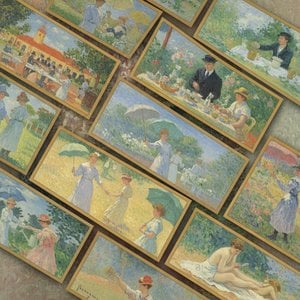
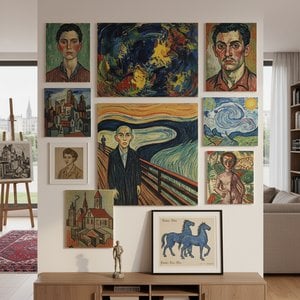
El latido de la colección es, sin duda, su maestría inigualable del Expresionismo Renano. Aquí, los lienzos de August Macke sirven como portales luminosos, donde el color no se utiliza simplemente para describir el mundo, sino para vibrar con la vida misma. Los visitantes se encuentran envuelbles en paisajes que pulsan con una energía rítmica, casi musical, y figuras que poseen una vulnerabilidad sorprendente y honesta. Para el coleccionista exigente o el diseñador de interiores que busca una pieza central de profunda resonancia emocional, estas obras ofrecen una conexión atemporal con la condición humana.
Un Diálogo entre Tradición e Innovación
Más allá de los tonos vibrantes de los expresionistas, el museo ofrece una exploración más profunda y contemplativa del arte alemán de la posguerra. Las salas transicionan sin interrupciones hacia lo provocativo y lo monumental, exhibiendo las obras transformadoras de Joseph Beuys , cuyas intervenciones escultóricas desafiaron la definición misma del arte y la responsabilidad social. Junto a él, las enigmáticas figuras de Georg Baselcz y los pioneros conceptuales como Wolf Vostell invitan a un compromiso más intelectual, y a menudo inquietante, con el medio. Esta era del arte alemán se presenta aquí no como una historia estática, sino como una interrogación viva y palpitante de la existencia.
Lo que verdaderamente distingue al Kunstmuseum Bonn es su negativa a permanecer anclado en el pasado. Si bien honra sus raíces históricas, el museo se mantiene a la vanguardia del discurso contemporáneo, particularmente a través de su dedicación a los nuevos medios. Como participante vital en la Videonale —el principal festival bienal de videoarte de Alemania—, la institución asegura que el diálogo entre tradición e innovación nunca se rompa. Para el amante del arte que busca significado o el diseñador que busca inspiración vanguardista, el museo ofrece más que una exhibición; ofrece un viaje cautivador a través del perdurable espíritu humano.
Precisión Arquitectónica y Luz
La experiencia arquitectónica del Kunstmuseum Bonn es tan obra maestra como las piezas que alberga. La estructura actual, diseñada por el visionario Axel Schultes de los arquitectos BJSS, es un triunfo de la luz y la precisión. Diseñado con una ética de apertura, el edificio cuenta con tres entradas distintas que simbolizan la accesibilidad y el espíritu democrático del arte. En su interior, una magnífica escalera asciende a través de espacios bañados por la luz natural, guiando al visitante por salas de exhibición meticulosamente curadas.
La arquitectura no solo contiene el arte; respira con él, proporcionando un telón de fondo sereno y moderno que permite que las texturas y los colores de las pinturas dominen la estancia. Esta integración perfecta entre espacio y sustancia convierte al museo en un destino esencial para cualquier persona cautivada por la intersección de la elegancia estructural y la pasión artística.