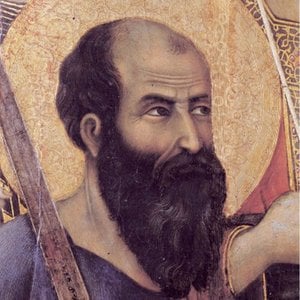
Descubra a Duccio di Buoninsegna (c. 1255-1319), un pintor italiano fundamental del estilo gótico del Trecento y la Escuela Sienesa. Explore su innovador uso del espacio, el color y la profundidad emocional en obras maestras como la Madonna de Rucellai y la Maestà. Un Renacimiento.
Miguel Ángel (1475-1564): Maestro del Renacimiento! Explora esculturas icónicas como David y la Piedad, los frescos de la Capilla Sixtina y su impacto en el Alto Renacimiento y el Manierismo artístico.
Donatello (1386-1466): Escultor florentino del Renacimiento temprano, pionero en esculturas nudos masculinas como 'David'. Realismo expresivo e influencia clásica.
Un santuario de piedra y luz: Explorando el Duomo di Siena
La Catedral de Santa María de la Asunción en Siena, conocida simplemente como el Duomo, no es meramente un edificio; es una historia que se despliega grabada en mármol, pintada con luz divina y esculpida con siglos de fe inquebrantable. Dominando la icónica Piazza del Campo, su presencia exige atención, pero al mismo tiempo invita a la introspección: un testimonio monumental de la ambición artística sienesa que trasciende el tiempo. Adentrarse en sus muros es embarcarse en un viaje a través de la Toscana medieval, siendo testigos de la evolución del arte y la espiritualidad en un espacio donde el orgullo cívico y el mecenazgo papal convergieron para crear algo verdaderamente extraordinario. La narrativa del Duomo no comienza con la grandeza gótica, sino con los cimientos de una basícala anterior, un origen humilde que floreció en una síntesis impresionante de solidez románica e innovación ascendente. La construcción iniciada en 1215 no consistía simplemente en erigir una iglesia; se trataba de declarar la estatura de Siena, su devoción y su floreciente identidad artística.
La génesis de una obra maestra: La visión de Pisano y la forma de la catedral
Inicialmente concebida como una estructura románica más modesta, el Duomo pronto superó tales limitaciones. Surgieron planes ambiciosos, impulsados por el deseo de un edificio digno de la creciente prominencia de Siena. Esto dio lugar a un cautivador estilo híbrido, una mezcla perfecta que presagiaba el periodo gótico mientras conservaba ecos de su predecesor. Giovanni Pisano desempeñó un papel fundamental en esta fase inicial; sus monumentales esculturas adornan la fachada y establecieron un nuevo estándar estético. Estas no eran representaciones estáticas; pulsaban con dinamismo e intensidad emocional, capturando un humanismo nunca antes visto en el arte religioso. Los rostros expresivos, los drapeados dramáticos y el detalle meticuloso anticiparon el enfoque del Renaciente en la precisión anatómica y el realismo psicológico. Los siglos posteriores fueron testigos de continuos proyectos de construcción, donde cada capa añadía complejidad a la catedral y reforzaba el compromiso inquebrantable de los ciudadanos de Siena con su patrimonio sagrado. Esta dedicación es visible no solo en la estructura misma, sino también en el intrincado suelo de incrustaciones de mármol, un mosaico impresionante de narrativas bíblicas plasmadas con una precisión asombrosa y profundidad simbólica, testimonio de la artesanía medieval en su máxima expresión.
La
Maestà
de Duccio: Una revolución en luz y teología
En el corazón del Duomo reside, posiblemente, la máxima conquista del arte sienés: la
Maestà
de Duccio di Buoninsegna. Encargado en 1263, este políptico monumental no fue simplemente un retablo; fue una revolución. Transformó la técnica pictórica y la representación teológica, encarnando la grandeza bizantina infundida con un creciente sentido del naturalismo. Antes de la
Maestà
, las representaciones de figuras religiosas a menudo se sentían estilizadas y distantes. Duccio rompió con la convención, capturando la belleza sublime de la majestad de Dios con una maestría sin igual. Su uso magistral de la hoja de oro, perfeccionado durante la era bizantina, crea una luminiscencia etérea que ilumina escenas de la vida de Cristo y representa a María entronizada entre coros celestiales. La
Maestà
es una ventana a la cosmología medieval, reflejando complejos debates teológicos sobre la gracia divina y la salvación humana. No es simplemente algo para ser observado; es una experiencia que invita a la contemplación de la naturaleza misma de la fe.
Diálogo escultórico: Donatello y el legado perdurable
La colección escultórica del Duomo se extiende más allá de la obra pionera de Pisano, exhibiendo obras maestras de artistas que remodelaron fundamentalmente el paisaje artístico de Siena, incluyendo al renombrado Donatello. Su
San Juan Bautista
, alojado en una capilla dedicada, encarna la virtuosislidad escultórica, demostrando una atención meticulosa al detalle anatómico y transmitiendo una profunda contemplación espiritual. El contraste entre el dinámico estilo románico de Pisano y el refinado realismo de Donatello ofrece un diálogo fascinante a través de las generaciones, ilustrando los ideales artísticos en evolución de Siena. Estas esculturas no son obras aisladas; son símbolos de excelencia artística que representan momentos cruciales en la historia cultural de Siena y presagian los principios humanistas que definirían el Renacimiento.
Una experiencia artística integral: Más allá de los iconos
Lo que verdaderamente distingue al Duomo di Siena es su enfoque integral del arte, una celebración de la evolución estilística a través de los siglos. Los visitantes pueden rastrear el desarrollo de la técnica, presenciando cómo cada generación construyó sobre los logros de sus predecesores. La catedral no es simplemente un repositorio de obras maestras; es una narrativa viva que invita a la exploración y fomenta el aprecio por el legado perdurable de la maestría sienesa. Las exposiciones regulares muestran obras menos conocidas y profundizan en exploraciones temáticas que iluminan el patrimonio artístico de Siena, proporcionando un contexto más profundo y enriqueciendo la experiencia del visitante. Además, su ubicación dentro de la Piazza del Campo, la icónica plaza central de la ciudad, añade otra dimensión a esta inmersión, situando el arte dentro del pulso vibrante de la vida y la cultura sienesa. El Duomo di Siena permanece como un faro de inspiración, invitando a la reflexión y celebrando el poder de la expresión artística a través del tiempo.
Por el equipo editorial de WahooArt.com
Test de arte
Cada pregunta tiene una única respuesta correcta.
Pregunta 1:
¿Cuál es el nombre del museo que alberga obras maestras de Duccio di Buoninsegna y Giovanni Pisano?
Pregunta 2:
¿En qué estilo arquitectónico se construyó originalmente la Catedral de Siena?
Pregunta 3:
¿Quién diseñó el impresionante retablo Maestà de Duccio di Buoninsegna?
Pregunta 4:
¿Qué famoso escultor creó la estatua de San Juan el Bautista en la Catedral?
Pregunta 5:
¿Cuál es una característica distintiva del museo que refleja la historia sienesa?
Descubre las 10 obras maestras del Proto Renacimiento que revolucionaron el arte italiano. Explora la historia de Giotto, Duccio y Cimabue. Reproducciones de arte en WahooArt.com para decorar tu hogar con belleza atemporal.
Descubre las 25 obras maestras de Giotto di Bondone, el pionero del Renacimiento. Explora la historia, técnica y simbolismo de sus frescos italianos más icónicos. Encuentra reproducciones de arte exclusivas para decorar tu hogar en WahooArt.com.
Descubre las 25 obras maestras de la Bienal de Venecia. Explora la historia, artistas y técnicas detrás de iconos del arte renacentista, moderno y contemporáneo. Encuentra reproducciones de alta calidad e inspira tu hogar con WahooArt.com.
¡Hola! Puedo ayudarte a elegir una obra de arte, realizar el seguimiento de un pedido o resolver tus dudas sobre la garantía. ¿En qué puedo ayudarte hoy?