


x
Cada pregunta tiene una única respuesta correcta.
Nestled within the elegant confines of Murray Hill in New York City, the Pierpont Morgan Library & Museum stands as a testament to the enduring power of human creativity and intellectual pursuit. More than simply a repository for art and literature, it is a meticulously curated journey through centuries of cultural achievement—a space where time seems to slow, inviting contemplation and discovery.
Originally conceived as the private library of financier J.P. Morgan at the turn of the 20th century, this extraordinary institution has blossomed into a vibrant public haven, offering an unparalleled opportunity to connect with the tangible echoes of history’s most brilliant minds. The very air within its walls seems imbued with the spirit of scholarship and artistic passion, beckoning visitors to lose themselves in the stories held within its collections.
The building itself is a character in this unfolding narrative—a harmonious blend of Italian Renaissance grandeur and modern sensibility. Designed initially by McKim, Mead & White, with an annex designed by Benjamin Wistar Morris, it was erected to a cost of $1.2 million dollars. In 1924, J.P. Morgan Jr., son of the legendary financier, transformed the library into a public institution in accordance with his father’s will.
The complex includes three additional structures, including a glass entrance building designed by Renzo Piano and Beyer Blinder Belle. The main building and its interior is a New York City designated landmark and a National Historic Landmark, while the house at 231 Madison Avenue is a designated city landmark.
At the heart of the Morgan’s allure lies its remarkable collection. It is not merely about possessing beautiful objects; it—s about holding fragments of lives lived, ideas conceived, and worlds imagined. The illuminated manuscripts are, without question, stars of the show—breathtaking examples of medieval artistry where every page is a miniature world of intricate detail, vibrant color, and profound symbolism.
Consider the Lindau Gospels, its covers shimmering with jewels and gold leaf, offering a window into the religious beliefs and artistic sensibilities of a bygone era. Beyond these visual masterpieces, the library boasts an astonishing array of literary treasures: original manuscripts from Jane Austen’s *Pride and Prejudice*, Charles Dickens’ *A Tale of Two Cities*, and even handwritten drafts by Bob Dylan—testaments to the creative processes of some of history’s most influential figures.
Musical scores—from Bach to Beethoven—alongside historical instruments, bring the world of music to life, inviting visitors to imagine the sounds that once filled these hallowed halls. The collection extends beyond literature and art, encompassing a diverse range of materials including drawings, prints, maps, and decorative arts, each offering unique insights into different periods and cultures.
Notable Exhibitions: The Morgan frequently presents groundbreaking exhibitions exploring diverse themes, from medieval art and Renaissance manuscripts to modern drawings and contemporary photography.
Unique Features: Its intimate scale and focus on original materials create a uniquely immersive experience for visitors.
Architectural Highlights: The contrast between the historic McKim, Mead & White building and Renzo Piano’s modern atrium is particularly striking.
The Morgan Library & Museum isn't just a place to *look* at history; it—s a place to *experience* it—to feel its resonance, and to connect with the enduring legacy of human creativity. It remains a vital cultural institution, dedicated to preserving the past while inspiring future generations of scholars, artists, and art enthusiasts alike.

Descubre el fascinante mundo del arte bizantino con nuestra guía experta. Explora su historia, arquitectura, mosaicos y legado cultural. Un viaje a través de la belleza y el simbolismo de un imperio inolvidable.
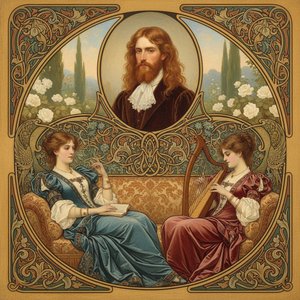
Explore the captivating world of Frederick Morgan, a key figure in Victorian Aestheticism. Discover his beautiful paintings, recurring themes, and lasting legacy with our expert analysis. Learn more today!

Descubre la fascinante historia y las técnicas de la acuarela. Explora obras maestras, aprende con expertos y encuentra reproducciones o comisiones personalizadas en .


Manténgase al día con las últimas noticias de arte, ofertas exclusivas e ideas de decoración.
Cuéntanos sobre tu proyecto y nuestros expertos en arte te ofrecerán 3 sugerencias de obras personalizadas.
Permítenos seleccionar 3 opciones solo para ti – ¡Gratis!


