early life and career
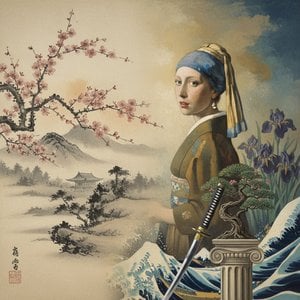
zenkichi nagano, also known by his pseudonym shiotsuki toho (塩月桃甫, shiotsuki tōho), was a japanese painter from miyazaki, born on february 27, 1886. little is known about his formative years beyond his birthplace and initial artistic inclinations. however, he began his artistic journey in earnest during the edo period, immersing himself in traditional nihonga techniques—a style characterized by meticulous brushwork, muted colors, and a focus on capturing subtle nuances of light and atmosphere. early influences included masters of landscape painting who championed realism alongside spiritual contemplation. nagano’s dedication to mastering these foundational skills would prove invaluable as he pursued his subsequent career path.artistic style and concern for indigenous peoples
nagano's artistic vision was profoundly shaped by his experiences teaching art in taiwan from 1921 to 1946. this period wasn’t merely a professional endeavor; it represented a crucial engagement with taiwanese culture and its vibrant indigenous traditions. he recognized the importance of preserving these cultural heritage, which were often marginalized within broader artistic circles. nagano's paintings—particularly his evocative depiction of wushe—are notable for their sensitivity to detail and their ability to convey not only visual beauty but also a deep understanding of taiwanese identity.key artworks
nagano’s most celebrated work is undoubtedly “wushe,” housed at the national taiwan museum of fine arts in taichung city. this monumental canvas exemplifies his mastery of nihonga technique, utilizing layered brushstrokes and subtle color palettes to create an immersive experience for the viewer. the painting captures a panoramic vista of taiwan's mountainous landscape—a scene imbued with symbolic resonance reflecting the artist’s profound respect for the natural world and its connection to taiwanese spirituality.teaching and influence
nagano’s role as an art educator extended beyond simply imparting technical skills; he fostered a genuine appreciation for taiwanese culture among his students. he championed the use of traditional materials and methods—such as ink wash painting—to encourage artistic exploration rooted in local heritage. this commitment to preserving cultural traditions has left an indelible mark on taiwan’s artistic landscape, inspiring generations of artists to embrace authenticity and creativity.notable art movement
zenkichi nagano is firmly associated with nihonga, a japanese style of painting that distinguishes itself from occidental styles by prioritizing meticulous brushwork, subdued color palettes, and a harmonious blend of realism and spiritual symbolism. unlike impressionism or cubism, which sought to capture fleeting moments or geometric forms respectively, nihonga strives for an enduring portrayal of subjects—often landscapes or portraits—that convey profound emotional depth.Preguntas y respuestas
¿Dónde puedo ver las obras de Zenkichi Nagano organizadas por atmósfera?
Las obras de Zenkichi Nagano pueden explorarse por estado de ánimo en la página Galería de estados de ánimo del artista, donde las piezas se organizan según sus emociones registradas.
¿Dónde puedo ver las obras de Zenkichi Nagano en una galería 3D?
La Museo 3D de Zenkichi Nagano es una página que muestra las obras del artista en una galería virtual tridimensional.
¿Cuántas obras de Zenkichi Nagano hay disponibles para explorar?
Puede explorar 1 obra de arte obras de Zenkichi Nagano en la página Todas las obras.