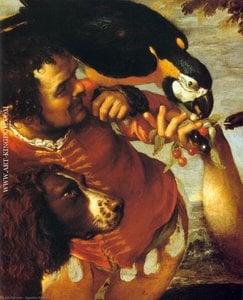
El arquitecto del naturalismo: La vida y el legado de Agostino Carracci
Agostino Carracci se erige como una figura fundamental en el floreciente movimiento barroco de Bolonia, Italia. A menudo eclipsado por la fama de su hermano Annibale, la visión artística de Agostino —caracterizada por un rechazo deliberado al formalismo manierista y un abrazo a los ideales clásicos— lo consagró como un innovador crucial que impactó profundamente la trayectoria estilística de la pintura boloñesa. No fue simplemente un artesano, sino un pedagogo visionario que moldeó a las futuras generaciones de artistas a través de la Accademía degli Incamminati, junto a Annibale y Ludovico Carracci. Esta academia se convirtió en el crisol de una nueva era del arte, alejándose de la artificialidad del Renacimiento tardío para buscar una conexión más profunda con la realidad. Nacido en Bolonia en 1557, hijo de Giovanni Battista Carracci y Lucrezia Panciatichi, el viaje artístico de Agostino comenzó bajo la tutela de Domenico Tiberiadi. Esta formación temprana le inculcó una comprensión fundacional del disegno —el concepto humanista del dibujo—, esencial para dominar las proporciones clásicas y la perspectiva. Mientras sus contemporáneos solían inclinarse hacia las formas estilizadas y las poses exageradas del Manierismo, Agostino buscó inspiración en la fuerza perdurable de la antigüedad. Miró hacia la escultura y la arquitectura romanas como los modelos definitivos para alcanzar la excelencia artística, creyendo que la verdadera belleza residía en el equilibrio entre la forma idealizada y la verdad natural.El dominio de la línea y la luz
Antes de alcanzar el renombre por sus monumentales frescos y retratos, la carrera de Carracci encontró su base en el intrincado medio del grabado. Este periodo fue transformador, ya que utilizó la herramienta del impresor para reproducir obras maestras de titanes como Federico Barocci, Tintoretto, Veronese y Correggio. Para Agostino, el grabado era mucho más que un método de reproducción; era un ejercicio intelectual vital para difundir el conocimiento artístico por toda Europa. Sus estampas demostraron una aguda sensibilidad a las variaciones tonales y al chiaroscuro —el dramático juego de luces y sombras— que más tarde se convertiría en el sello distintivo del estilo barroco. A través de estas líneas meticulosas, tradujo las texturas fluidas de la pintura al lenguaje permanente de la tinta, elevando el estatus del grabado dentro de las bellas artes. Su destreza técnica se captura quizás de manera más íntima en sus obras preparatorias, donde la frontera entre el estudio y la obra maestra se disuelve. En trabajos como su Estudio de una cabeza de spaniel, se puede ser testigo del compromiso del artista con el naturalismo. Creado alrededor de 1598, este dibujo evita todo artificio, presentando al sujeto con un realismo notable: desde los ojos atentos hasta el pelaje texturizado y rizado de las orejas. Tales estudios sirvieron como los pilares esenciales para sus composiciones más grandes, demostrando que su devoción por los detalles minuciosos del mundo natural era el cimiento sobre el cual se construyeron sus visiones más grandiosas y clásicas.Una huella imborrable en la era barroca
La importancia histórica de Agostino Carracci reside en su papel como puente entre dos eras. Al desafiar la complejidad intelectualizada del Manierismo con un enfoque renovado en la claridad y la observación natural, ayudó a dar a luz a la Escuela Boloñesa. Su capacidad para combinar la elegancia clásica del Renacimiento con la profundidad emocional y la iluminación dramática del Barroco proporcionó un modelo para generaciones de pintores. Ya sea a través de la belleza etérea que se encuentra en su obra Las tres Gracias o la intimidad familiar capturada en los retratos de sí mismo y sus hermanos, el trabajo de Agostino permanece como un testimonio de un periodo de profunda transición. Aunque su vida fue trágicamente breve, terminando en 1602, su influencia perduró mucho más allá de sus años. A través de la Accademia degli Incamminati, ayudó a establecer una tradición pedagógica que priorizaba la observación directa y el estudio clásico, asegurando que los principios del naturalismo se convirtieran en una piedra angular del arte occidental. Su legado no se encuentra meramente en lienzos individuales, sino en la forma misma en que percibimos la luz, la sombra y la forma humana: un legado de precisión, pasión y una inquebrantable búsqueda de la verdad en el arte.Preguntas y respuestas
¿De dónde es Agostino Carracci?
Agostino Carracci nació en Italia.
¿Puedo explorar las obras de Agostino Carracci por estado de ánimo?
La Galería de estados de ánimo de Agostino Carracci es una página que organiza las obras del artista según el estado de ánimo.
¿Dónde puedo ver las obras de Agostino Carracci en orden cronológico?
La página de Cronología de obras del artista presenta las obras de Agostino Carracci ordenadas por fecha, año tras año.