primeros años y días de navegación
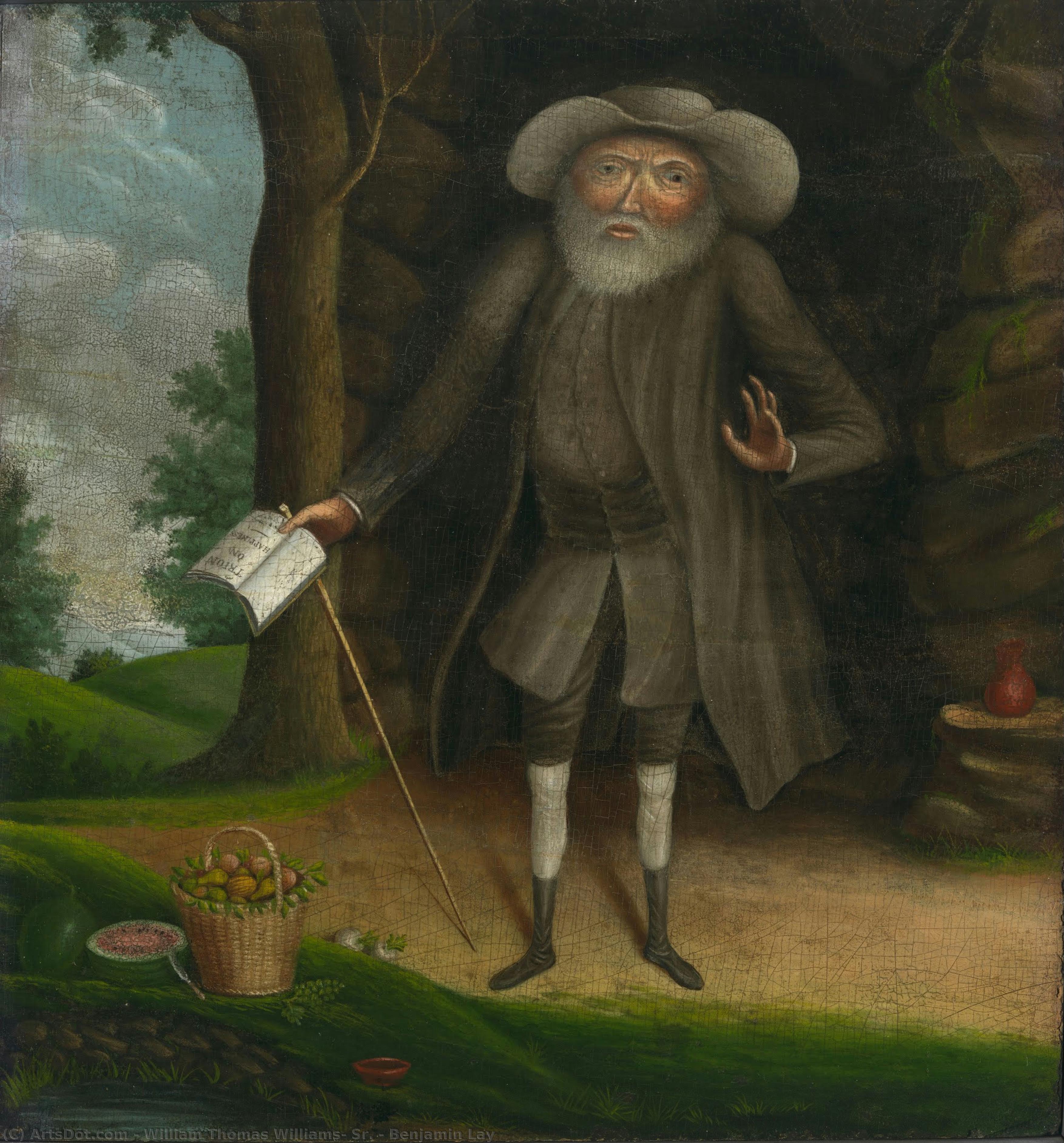
william thomas williams, sr., un destacado pintor y escritor anglo-americano, nació en 1727 en bristol, inglaterra. sus años formativos transcurrieron en caerphilly, gales, lugar donde forjó una conexión profunda y espiritual con el mar. se cree que williams fue navegante durante su juventud, una experiencia que influyó de manera significativa en sus posteriores inquietudes artísticas.
trayectoria artística y obras notables
la carrera artística de williams está marcada por una amalgama única entre sus vivencias marítimas y sus inclinaciones literarias. bajo esta influencia, escribió
el diario de llewellin penrose, marinero, obra que a menudo es considerada como la primera novela estadounidense. aunque el libro no llegó a publicarse hasta 1815, su texto original permaneció oculto al mundo hasta 1969.
filadelfia y legado artístico
en 1747, williams se estableció en filadelfia, donde desempeñó un papel fundamental en la creación del primer teatro de américa. su estudio de arte, conocido como
el letrero de la cabeza de hogarth, se convirtió en un epicentro de innovación artística, acogiendo a alumnos notables como el joven benjamin west.
estilo artístico e influencias
la obra de williams se caracteriza por una mezcla ecléctica de influencias inglesas y americanas, reflejando su pasado como navegante y su sensibilidad literaria. su estilo, aunque no cuenta con una documentación extensa, se cree que fue moldeado por la moda artística de la época, que sentía gran fascinación por los relatos de viajes reales.
legado y memoria
williams falleció en filadelfia en 1791, dejando tras de sí un legado que, si bien no fue reconocido de inmediato, ha contribuido significativamente a la historia del arte estadounidense. su historia permanece como un testimonio vivo de las influencias transatlánticas que han dado forma al mundo del arte.
conclusiones clave: - la vida de williams refleja la intersección entre las aventuras marítimas y la expresión artística. - sus obras literarias, aunque no se publicaron de inmediato, han aportado un valor incalculable a la historia del arte americano. - la escuela inglesa de pintura, con su mezcla de talento nativo e influencias internacionales, sentó las bases para el estilo único de williams.


 Encargar reproducción pintada a mano
 Compartir
 Compartir
 Ver detalles
 Guía
Guía

 Descargar
 Ver artículos similares
 Presentación de diapositivas
 Estadísticas


 Leer más






































 La opción de vidrio solo está disponible en tamaños inferiores a 110 cm.


