Asesoría de arte gratuita

x
Encargar reproducción Encargar reproducciónComprar imagen en alta resolución Comprar imagen en alta resolución EnviarEnviar
DetallesDetalles Añadir a favoritos Añadir a favoritos DescargarDescargar SimilaresSimilares RadiografíaRadiografía Presentación de diapositivasPresentación de diapositivas

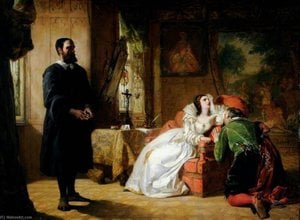
Katharina

William Powell Frith’s ‘Katharina’ is a captivating Victorian portrait showcasing a melancholic theatrical figure in rich detail. Explore Romanticism's drama & emotion through this oil painting.

Descubre la Inglaterra victoriana a través de William Powell Frith! Sus detalladas escenas y narrativas panorámicas, como 'The Derby Day', capturan la vida cotidiana con realismo.

Giclée / Impresión de arte

Impresión giclée o en lienzo de calidad de museo con producción rápida y opciones de acabado flexibles.

P118B $10
P118H $10
P118W $10
P438Z $10
P508JH $12
P508YH $12
P805H $10
P805Z $10
P919BZ $10
P919G $10
P919XJ $10
P959ZH $10
P968JZ $12
W106C $8
W218G $10
W218JH $8
W218Y $10
W307PJ $10
W316G $10
W316PJ $8
W316Y $10
W398PJ $8
W4111J $10
W500HY $15
W500JH $15
W692G $12
W849H $8
W940BG $15
W953PJ $8

Standard
custom
CM
INCH

Elija entre nuestros tamaños predefinidos que respetan las proporciones originales de la obra.

ancho
altura

Puede introducir sus propias dimensiones para adaptarse a un marco o espacio específico. Si el tamaño seleccionado no coincide con las proporciones de la imagen original, recortaremos la obra de arte o extenderemos la imagen con un borde con efecto espejo o de color sólido. Se enviará una maqueta digital para su aprobación antes de que comience la producción.
Tenga en cuenta que la vista previa en pantalla no refleja el recorte o la extensión real. Solo la maqueta mostrará con precisión la composición final.
Aunque existen tamaños personalizados, recomendamos seleccionar una dimensión de la lista predefinida para preservar las proporciones originales.

Entrega mundial () en 2 semanas en lugar de las 4/5 semanas estándar. (7 julio)

why_choose_icon
Envío exprés gratuito a todo el mundo
why_choose_icon
Lienzo de lino de alta calidad
why_choose_icon
Seguro de envío total
why_choose_icon
Garantía de reembolso de impuestos aduaneros
why_choose_icon
Garantía de fidelidad de color
why_choose_icon
Política de devolución de 60 días (solo por defectos)
why_choose_icon
Garantía de devolución del 100% del dinero
why_choose_icon
Descuento por pedido múltiple

Precio total

-

reproduction

Katharina

Giclée / Impresión de arte

Tamaño de la reproducción

-

Precio total final

-

Datos clave

  • Artist: William Frith
  • Subject or theme: Theatrical figure
  • Movement: Romanticism
  • Location: Cambridge University
  • Medium: Oil on canvas
  • Notable elements: Detailed, organic shapes
  • Influences: Wilkie

Test de arte

Solo hay una respuesta correcta para cada pregunta.

Pregunta 1:
What is the primary artistic movement associated with William Powell Frith’s ‘Katharina’?
Pregunta 2:
The costume worn by the figure in 'Katharina' is most likely intended to represent:
Pregunta 3:
What technique is most evident in Frith’s use of lines and shading to create the figure's form?
Pregunta 4:
Based on the description, what is a key element of the background in ‘Katharina’?
Pregunta 5:
William Powell Frith was a member of which group of artists known for their depictions of Victorian life?

Descripción de la obra

A Portrait of Melancholy: William Powell Frith’s “Katharina”

William Powell Frith's "Katharina," painted circa 1851, is more than just a portrait; it’s a carefully constructed tableau of Victorian theatricality and subtle emotional depth. This captivating work, housed within the collections of the University of Cambridge, offers a glimpse into the social fabric of mid-19th century London through the eyes of one enigmatic figure. Frith, a master of genre painting and panoramic narrative scenes, meticulously crafted this image to capture not just likeness but also atmosphere and implied story.

The subject herself is shrouded in an air of quiet contemplation. Dressed in a lavish, yet somewhat faded, theatrical costume—a rich crimson gown adorned with intricate lace and a delicate veil—Katharina appears poised on the cusp of performance or perhaps, simply lost in her own thoughts. Her gaze, directed slightly downward, suggests introspection rather than outward engagement. The lighting, soft and diffused, is crucial to the painting’s effect; it avoids harsh contrasts, instead creating subtle shadows that define the contours of her face and clothing, lending a sense of both vulnerability and dignity.

The Romantic Palette and Precise Technique

Frith's masterful command of oil paint is immediately apparent. He employs a rich, layered technique, building up color gradually to achieve remarkable textural detail. The fabric of the gown appears almost tactile—one can practically feel the weight of the velvet and the delicate rustle of the lace. The artist’s use of line is equally deliberate; precise outlines define the figure's features and drapery, creating a sense of solidity and volume that anchors the composition. Notice how he uses short, broken brushstrokes to capture the shimmer of light on the fabric and the intricate details of the veil.

The background, deliberately blurred and indistinct, serves not as a distraction but as an integral part of the painting’s narrative. It hints at an outdoor setting—perhaps a stage or garden—but ultimately emphasizes the central figure. The atmospheric perspective – the subtle fading of colors in the distance – adds depth without overwhelming the viewer's attention.

A Victorian Stage and Symbolic Resonance

"Katharina" is deeply rooted in the conventions of Victorian theatricality, reflecting Frith’s fascination with public life and social rituals. The costume itself is laden with symbolic meaning; it speaks to the world of performance, role-playing, and the constructed identities that were prevalent within Victorian society. The melancholic expression on Katharina's face suggests a deeper emotional complexity beneath the surface – perhaps a longing for something unattainable or a recognition of the transient nature of beauty and fame.

Considering Frith’s broader artistic output, “Katharina” aligns with his penchant for depicting scenes of social interaction and moral commentary. His meticulous attention to detail and his ability to capture both the outward appearance and the underlying emotions of his subjects make this painting a compelling example of Victorian genre art. It invites us to contemplate not only the beauty of the portrait but also the broader cultural context in which it was created.

Further Exploration & Legacy

For those seeking deeper insights into Frith’s work and “Katharina,” resources such as the Art UK website () offer valuable information, including high-resolution images and scholarly essays. Wikipedia provides a comprehensive biographical overview of Frith's life and career (). These resources, along with the Mercer Art Gallery’s exhibition catalogue, provide a rich context for appreciating this remarkable portrait.

Obras similares


Biografía del artista

Primeros Años y Formación

  • Nacimiento: 9 de enero de 1819, Aldfield, cerca de Ripon, Yorkshire del Norte, Inglaterra
  • Fallecimiento: 2 de noviembre de 1909, Londres
  • El padre de William Powell Frith era propietario de un hotel en Harrogate.
  • Inicialmente pretendía ser subastador, pero su padre reconoció su talento artístico.
  • Frith estudió en la Academia Sass en Charlotte Street, Londres y posteriormente asistió a las Escuelas Reales de Arte.
  • Su carrera temprana se centró en la pintura de retratos y temas literarios (Shakespeare, Scott).

Destacados de su Carrera y Estilo Artístico

  • Membresía: Miembro de The Clique, un grupo de artistas que incluía a Richard Dadd, Augustus Egg, Henry O’Neil, John Phillip, Edward Ward y Thomas Creswick.
  • Influencias: Fuertemente influenciado por los temas domésticos de Sir David Wilkie.
  • Pintura de Género y Narrativa Panorámica: Frith se hizo famoso por sus detalladas escenas de género y obras narrativas panorámicas que representaban la vida victoriana en lugares públicos.
  • Obras Notables:
    • Ramsgate Sands (1854): Representa una animada escena en el balneario de Ramsgate.
    • The Derby Day (1858): Captura la atmósfera y las interacciones sociales en el Hipódromo de Epsom Downs. Esta pintura fue increíblemente popular, requiriendo barandillas para controlar a los espectadores.
    • The Railway Station (1862): Una representación detallada de la estación de Paddington.
    • The Sleeping Model (1853): Presentado como su obra de Diploma en la Royal Academy.
    • The Crossing Sweeper (1858): Explora el contraste entre riqueza y pobreza en Londres.
  • Influencia Fotográfica: Frith utilizó estudios fotográficos de Robert Howlett para lograr un detalle y una precisión notables en sus pinturas, particularmente en obras como The Derby Day.
  • Estilo: Se caracteriza por la meticulosa observación, una gran cantidad de figuras y un enfoque en capturar los detalles de la vida cotidiana. Era conocido por su realismo y atención al comentario social dentro de sus escenas.

Desarrollo y Años Posteriores

  • Autobiografías: Frith escribió dos autobiografías, My Autobiography (1887) y Further Reminiscences (1888), que ofrecen información sobre el arte y la sociedad victoriana.
  • Opiniones Artísticas: Era un tradicionalista y expresó su aversión a los desarrollos artísticos modernos.
  • Académico Real: Fue elegido académico real en 1853.
  • Longevidad: Frith vivió una vida notablemente larga, presenciando cambios significativos en el mundo del arte durante la era victoriana. Supervivió a muchos de sus contemporáneos de The Clique.

Significado Histórico y Legado

  • Comentario Social: Sus pinturas proporcionaron una documentación valiosa de la sociedad victoriana, capturando su dinámica social, moda y actividades recreativas.
  • Popularidad y Éxito Comercial: Frith fue uno de los artistas más exitosos comercialmente de su tiempo, con sus obras ampliamente admiradas y buscadas.

  • Influencia en la Pintura de Género: Contribuyó significativamente al desarrollo de la pintura de género en Gran Bretaña, elevándola a una forma de arte respetada.
  • Realismo Detallado: Su meticulosa atención al detalle estableció un estándar para el realismo en el arte victoriano.
  • Legado: Las pinturas de Frith continúan siendo exhibidas y estudiadas, ofreciendo una ventana única a la vida del siglo XIX y consolidando su lugar como una figura importante en la historia del arte británico.
William Powell Frith

William Powell Frith

1819 - 1909 , Reino Unido

Datos clave

  • Artistas Que Influyeron: ['Sir David Wilkie']
  • Fecha De Fallecimiento: 2 de noviembre de 1909
  • Fecha De Nacimiento: 9 de enero de 1819
  • Lugar De Nacimiento: Aldfield, Reino Unido
  • Movimiento Artístico: Pintura de género, narrativa panorámica
  • Nacionalidad: Inglés
  • Nombre Completo: William Powell Frith
  • Obras Notables:
    • Ramsgate Sands
    • The Derby Day
    • The Railway Station
    • The Sleeping Model
    • The Crossing Sweeper
Explore obras de arte organizadas por temas, estilos y características.