Vista previa Vista previa en RA Encargar reproducción pintada a mano Ver versión en imagen digital Compartir
Ver detalles Guía Añadir a favoritos Descargar Ver artículos similares Radiografía Presentación de diapositivas Estadísticas

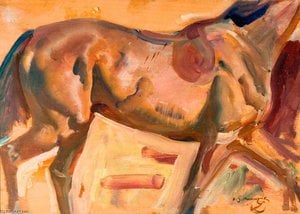
Horses Baiting

A tranquil pastoral scene of horses gathered at a trough by William Mulready the Younger captures the serene beauty of Victorian rural life through masterful realism, inviting you to bring this timeless charm into your home.

Descubre a William Mulready (1786-1863), pintor irlandés de escenas rurales y vida victoriana. Creador del icónico 'Mulready stationery', sus obras están en Tate & V&A.

Giclée / Impresión de arte

Impresiones giclée o en lienzo de calidad de museo con producción rápida y opciones de acabado flexibles. ( Encargar reproducción pintada a mano Ver versión en imagen digital)

P118B $10
P118H $10
P118W $10
P438Z $10
P508JH $12
P508YH $12
P805H $10
P805Z $10
P919BZ $10
P919G $10
P919XJ $10
P959ZH $10
P968JZ $12
W106C $8
W218G $10
W218JH $8
W218Y $10
W307PJ $10
W316G $10
W316PJ $8
W316Y $10
W398PJ $8
W4111J $10
W500HY $15
W500JH $15
W692G $12
W849H $8
W940BG $15
W953PJ $8

Estándar
personalizado
CM
INCH

Elija entre nuestros tamaños predefinidos que respetan las proporciones originales de la obra.

ancho
altura

Puede introducir sus propias dimensiones para adaptarse a un marco o espacio específico. Si el tamaño seleccionado no coincide con las proporciones de la imagen original, recortaremos la obra de arte o extenderemos la imagen con un borde con efecto espejo o de color sólido. Se enviará una maqueta digital para su aprobación antes de que comience la producción.
Tenga en cuenta que la vista previa en pantalla no refleja el recorte o la extensión real. Solo la maqueta mostrará con precisión la composición final.
Aunque existen tamaños personalizados, recomendamos seleccionar una dimensión de la lista predefinida para preservar las proporciones originales.

Envío a todo el mundo () en 2 semanas en lugar de las 4/5 semanas estándar. (25 septiembre)

why_choose_icon
Envío exprés gratuito a todo el mundo
why_choose_icon
Lienzo de lino de alta calidad
why_choose_icon
Seguro de envío completo
why_choose_icon
Garantía de reembolso de impuestos aduaneros
why_choose_icon
Garantía de fidelidad cromática exacta
why_choose_icon
Política de devolución de 100 días (solo por defectos)
why_choose_icon
Garantía de devolución del 100% del dinero
why_choose_icon
Oferta por volumen

Precio total

$ 68

reproduction

Horses Baiting

Giclée / Impresión de arte

Tamaño de la reproducción

-

Precio total

$ 68

Datos clave

  • Location: The Whitworth, The University of Manchester
  • Dimensions: 40 x 33 cm
  • Subject or theme: Rural landscape; Pastoral scene
  • Title: Horses Baiting
  • Influences: English Romanticism
  • Movement: Romanticism
  • Artist: William Mulready the Younger

William Mulready’s Horses Baiting: A Pastoral Echo of Victorian Sentiment

Horses Baiting by William Mulready (1786–1863), 1816, from The Whitworth, The University of Manchester is a deceptively tranquil depiction of rural life that speaks volumes about the Victorian fascination with nature and its role in shaping human emotion. Painted during a period marked by industrial expansion and social upheaval, Mulready’s artwork offers a respite from urban anxieties—a carefully crafted tableau designed to evoke feelings of serenity and idealized beauty. The painting's enduring appeal lies not merely in its visual charm but also in its subtle articulation of Victorian sensibilities concerning morality and the sublime.
  • Subject Matter: The scene portrays a simple pastoral setting featuring three horses gathered around a trough, accompanied by a solitary figure overseeing their activities. This deliberate choice of subject matter aligns perfectly with the Romantic movement’s emphasis on unspoiled landscapes and the contemplation of natural grandeur—a reaction against the perceived ugliness and corruption of industrial society.
  • Style: Mulready's style is firmly rooted in Realism, yet imbued with a Romantic spirit. He meticulously captures the textures of the horses’ coats, the rough bark of the ancient tree dominating the background, and the weathered appearance of the barn—details that convey an impression of authenticity while simultaneously elevating the scene to a level of aesthetic contemplation.
  • Technique: Employing oil paint on wood, Mulready utilizes layering techniques to achieve remarkable depth and luminosity. Careful blending creates soft gradations of color, enhancing the overall atmosphere of calm and inviting viewers into the depicted environment. The artist’s meticulous attention to detail underscores his commitment to portraying nature accurately—a hallmark of Victorian artistic practice.

Historical Context: Victorian Ideals of Landscape and Domestic Tranquility

The painting emerged from a broader cultural context characterized by anxieties surrounding industrialization and social reform. However, Mulready consciously sought to counter these concerns by presenting an image of rural harmony—a deliberate affirmation of traditional values and beliefs. The Whitworth Gallery’s acquisition of Horses Baiting reflects the Victorian appreciation for landscapes that embodied moral virtue and spiritual solace. It exemplifies the movement's conviction that communion with nature could nurture the soul and instill a sense of ethical responsibility.

Symbolism: Horses as Embodiments of Strength, Fertility, and Pastoral Virtue

Horses themselves hold significant symbolic weight within Victorian art and literature—representing strength, fertility, and nobility. In Mulready’s depiction, they symbolize not only physical prowess but also the pastoral ideal—a vision of rural life characterized by simplicity, contentment, and connection to the natural world. The presence of the solitary figure suggests a contemplative gaze upon this idyllic scene—reflecting Victorian belief in the importance of moral reflection and spiritual contemplation amidst the bustle of urban existence.

Emotional Impact: A Balm for Industrial Anxiety

Ultimately, Horses Baiting succeeds in transporting viewers to a realm of tranquility and beauty—offering a poignant counterpoint to the anxieties prevalent during the Victorian era. The muted palette contributes to the painting’s overall mood—creating an atmosphere of understated elegance and inviting contemplation. Mulready's masterful execution captures not just what is seen but also what is felt—affirming the enduring power of art to evoke emotion and inspire wonder. It stands as a testament to Victorian artists’ ability to distill complex philosophical ideas into accessible visual representations—a celebration of nature’s restorative qualities and its capacity to nourish the human spirit.

Biografía del artista

William Mulready el Joven: Una Vida en el Arte

  • Nacido: Ennis, Irlanda (1786)
  • Fallecido: 1863

William Mulready RA (1786-1863) fue un destacado pintor de género irlandés que pasó la mayor parte de su carrera en Londres. Es celebrado por sus representaciones idealizadas de la vida rural y escenas cotidianas, capturando la esencia de la Inglaterra victoriana. Más allá de la pintura, obtuvo reconocimiento por diseñar la icónica papelería Mulready, introducida junto con el sello postal Penny Black.

Primeros Años y Educación

  • Primeros años: Nacido en Ennis, Condado de Clare, Irlanda, la familia de Mulready se mudó a Londres en 1792.
  • Inclinación artística: Desde una edad temprana, demostró un marcado interés por el arte, copiando grabados y mostrando un talento notable.
  • Formación formal: Recibió sus primeras lecciones de John Graham, pintor histórico, quien reconoció su potencial. Posteriormente, estudió en la Royal Academy School, comenzando alrededor de los catorce años.
  • Primeras influencias: Su educación estuvo moldeada por una combinación de formación formal y estudio autodirigido, incluyendo la copia de impresiones y la observación de actores en representaciones teatrales.

Desarrollo Artístico y Estilo

  • Primeras obras: Mulready se centró inicialmente en paisajes antes de pasar a la pintura de género alrededor de 1808.
  • Enfoque en la pintura de género: Su estilo característico implicaba representar escenas de la vida rural, a menudo imbuídas de una sensibilidad romántica y matices morales.
  • Influencias: Se inspiró en los pintores de género holandeses del siglo XVII, estudiando sus obras en colecciones privadas.
  • Temas recurrentes: Mulready retrató con frecuencia a niños, su comportamiento y educación, reflejando las preocupaciones sociales victorianas.
  • Habilidad técnica: Sus pinturas se caracterizan por un alto nivel de habilidad técnica, evidente particularmente en sus detallados dibujos de la figura desnuda.

Logros Principales y Reconocimiento

  • Afiliación a la Royal Academy: Se convirtió en Asociado de la Royal Academy (A.R.A.) en 1815 y en miembro titular (R.A.) en 1816.
  • Honor francés: En 1816, fue galardonado con la "Légion d'honneur" francesa.
  • Obras notables: Pinturas clave incluyen “Returning from the Ale House” (también conocida como “Fair Time,” Tate Gallery), “Giving a Bite” (Victoria and Albert Museum), “First Love” (Victoria and Albert Museum) y “The Organ Grinder.”
  • Ilustraciones: Ilustró varios libros infantiles, incluyendo las primeras ediciones de "Tales from Shakespeare" de Charles y Mary Lamb y "The Butterfly's Ball" de William Roscoe.
  • Papelería Mulready: Su diseño para la papelería Mulready, introducida en 1840 junto con el sello Penny Black, aunque inicialmente impopular, sigue siendo una contribución significativa a la historia postal.

Significado Histórico y Legado

  • Popularidad victoriana: Las pinturas de Mulready fueron inmensamente populares durante la era victoriana, reflejando los gustos y valores contemporáneos.
  • Pionero en la pintura de género: Jugó un papel crucial en el establecimiento de la pintura de género como una forma de arte respetada en Gran Bretaña.
  • Familia de artistas: Su familia incluía a otros artistas, incluyendo su esposa Elizabeth Varley y sus hijos Paul Augustus, William Junior y Michael.
  • Conexión con la Colonia Cranbrook: Su nieto, Augustus Edwin Mulready, se convirtió en un miembro destacado de la Colonia de Artistas de Cranbrook.
  • Influencia duradera: Si bien sus diseños para la papelería Mulready fueron efímeros, su legado artístico continúa siendo apreciado por su representación de la vida victoriana y su dominio técnico.
William Mulready the Younger

William Mulready the Younger

1786 - 1863 , Irlanda

Datos clave

  • Artistas Que Influyeron:
    • William Blake
    • John Varley
    • Cornelius Varley
  • Fecha De Muerte: 7 de julio de 1863
  • Fecha De Nacimiento: 1 de abril de 1786
  • Lugar De Nacimiento: Ennis, Irlanda
  • Movimiento Artístico: Pintura de género, Romanticismo
  • Nacionalidad: Irlandés
  • Nombre Completo: William Mulready el Joven
  • Obras Notables:
    • Regreso de la taberna
    • Tiempo de feria
    • Dando un bocado
    • Primer amor
    • El organillero