x
Ver en contextoVer en contexto Vista previa en RAVista previa en RA Comprar impresión Comprar impresiónComprar imagen Comprar imagen EnviarEnviar
DetallesDetalles Añadir a favoritos Añadir a favoritos DescargarDescargar SimilaresSimilares RadiografíaRadiografía Presentación de diapositivasPresentación de diapositivas

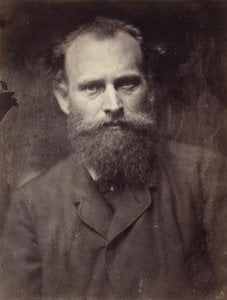
John J. Glover

Discover 'John J. Glover' by William H. Mumler – a captivating spirit photograph from 1875, showcasing Mary Todd Lincoln with the ghost of Abraham Lincoln. Explore its history & artistry!

Explora la fascinante y controvertida fotografía espíritual de William H. Mumler (1832-1884). Conocido por imágenes como el fantasma de Lincoln, fusionó arte, duelo y tecnología. Descubre su proceso Mumler y su legado en parapsicología en WahooArt.

Reproducción al óleo hecha a mano

Óleo sobre lienzo pintado a mano en el tamaño y marco de su elección, realizado por encargo por nuestros artistas. (Comprar impresión Comprar impresiónComprar imagen Comprar imagen)

P118B $10
P118H $10
P118W $10
P438Z $10
P508JH $12
P508YH $12
P805H $10
P805Z $10
P919BZ $10
P919G $10
P919XJ $10
P959ZH $10
P968JZ $12
W106C $8
W218G $10
W218JH $8
W218Y $10
W307PJ $10
W316G $10
W316PJ $8
W316Y $10
W398PJ $8
W4111J $10
W500HY $15
W500JH $15
W692G $12
W849H $8
W940BG $15
W953PJ $8

Estándar
a medida
CM
INCH

Elija entre nuestros tamaños predefinidos que respetan las proporciones originales de la obra.

ancho
altura

Puede ingresar sus propias dimensiones para adaptarse a un marco o espacio específico. Si el tamaño seleccionado no coincide con las proporciones de la imagen original, recortaremos la obra o extenderemos la pintura con elementos adicionales pintados a mano. Se le enviará una maqueta digital para su aprobación antes de comenzar la producción.
Tenga en cuenta que la vista previa en pantalla no refleja el recorte o la extensión reales. Solo la maqueta mostrará con precisión la composición final.
Si bien existen tamaños personalizados, recomendamos seleccionar una dimensión de la lista predefinida para preservar las proporciones originales.

Ejemplos de lo que se puede personalizar: Reemplace el rostro con una foto del cliente; Agregue una mascota (por ejemplo, cambie un gato por un perro); Incluya un mensaje oculto en el fondo; Cambie el paisaje o los elementos del fondo.
Tras realizar el pedido, el equipo de WahooArt.com enviará un correo electrónico al cliente para solicitar instrucciones y proporcionarle una vista previa del boceto.

Envío a todo el mundo () en 3-4 semanas en lugar de las 5 semanas estándar. (29 agosto). Sin comprometer la calidad.

why_choose_icon
Envío exprés gratuito a todo el mundo
why_choose_icon
Lienzo de lino de alta calidad
why_choose_icon
Seguro de envío total
why_choose_icon
Garantía de reembolso de impuestos aduaneros
why_choose_icon
Garantía de fidelidad cromática exacta
why_choose_icon
Política de devolución de 60 días (solo por defectos)
why_choose_icon
Garantía de devolución del 100% del dinero
why_choose_icon
Descuento por cantidad

Precio total

$ 272

reproduction

John J. Glover

Técnica de reproducción

Dimensiones de la reproducción

-

Precio total final

$ 272

Datos clave

  • Movement: Spirit Photography
  • Notable elements: Ghostly apparition
  • Title: John J. Glover
  • Artist: William H. Mumler
  • Medium: Albumen silver print
  • Location: Getty Museum, Los Angeles
  • Year: 1875

Test de arte

Cada pregunta tiene una única respuesta correcta.

Pregunta 1:
What is the primary subject depicted in John J. Glover’s ‘John J. Glover’?
Pregunta 2:
In what year was ‘John J. Glover’ created?
Pregunta 3:
Which photographic technique is most prominently used in ‘John J. Glover’ to create the illusion of a spirit?
Pregunta 4:
Who is credited with pioneering the use of double exposures to create spirit photographs like ‘John J. Glover’?
Pregunta 5:
What was the prevailing cultural context that fueled the popularity of spirit photography in the mid-19th century?

The Enigmatic Figure: John J. Glover and the Spirit Photograph

William H. Mumler’s “John J. Glover,” a remarkably intimate black-and-white photograph from 1875, transcends the simple portraiture of its era. It's not merely a depiction of a man seated in a chair; it’s a carefully constructed tableau brimming with Victorian sensibilities and an unsettling suggestion of the supernatural. The image captures a gentleman, formally dressed in a dark suit and tie, his hands clasped together in a gesture of quiet contemplation. His face, rendered with meticulous detail by Mumler's photographic technique, conveys a sense of seriousness – perhaps even melancholy – that draws the viewer into his gaze. Yet, it’s not just the subject’s appearance that commands attention; hovering subtly above him, partially obscured and imbued with an ethereal glow, is the faint apparition of another woman. This ghostly presence, often interpreted as Glover's deceased cousin, immediately elevates the photograph beyond a conventional likeness, plunging it into the realm of spirit photography – a phenomenon that captivated late 19th-century America.

The Rise of Spirit Photography and Victorian Belief

The creation of “John J. Glover” coincided with a period of profound social and spiritual upheaval in the United States. Following the Civil War, many Americans grappled with immense grief and uncertainty about the fate of loved ones lost. Simultaneously, Spiritualism – a movement emphasizing communication with spirits through mediums – was experiencing a surge in popularity. Photography, still a relatively new technology, offered a tantalizing possibility: to capture evidence of the afterlife. William Mumler expertly exploited this confluence of anxieties and beliefs. He wasn’t simply a photographer; he was a master manipulator, employing techniques like double exposures and carefully staged lighting to create images that appeared to depict ghostly encounters. The photograph's success hinged on its ability to tap into the deeply held desire for connection with those who had passed beyond the veil – a desire fueled by both personal loss and the burgeoning fascination with the paranormal.

Technical Mastery and Mumler’s Process

Despite the sensational claims surrounding spirit photography, William H. Mumler was a highly skilled technical innovator. He didn't rely on magic or trickery alone; he meticulously refined his photographic process to achieve startling results. His “Mumler Process,” involving carefully prepared plates and precise exposure times, allowed him to create images with remarkable clarity and detail – even when incorporating ghostly figures. The subtle gradations of tone, the sharp focus on Glover’s face, and the delicate rendering of the spectral form all demonstrate a sophisticated understanding of photographic principles. The photograph's small size (9 x 5 cm) further contributes to its intimacy and immediacy, inviting viewers to scrutinize every detail and contemplate the mystery at its heart.

Symbolism and Emotional Resonance

“John J. Glover” is rich in symbolic meaning. The seated posture of the subject suggests introspection and perhaps a sense of mourning. His clasped hands could represent prayer, contemplation, or simply a desire for comfort. The ghostly presence above him embodies not just loss but also the enduring power of memory and love. It’s a poignant reminder that even after death, connections remain – albeit in an ethereal form. The photograph's emotional impact is profound; it evokes feelings of melancholy, curiosity, and a lingering sense of wonder about the mysteries beyond our mortal experience. It stands as a testament to Victorian anxieties surrounding mortality, the allure of the supernatural, and the enduring human need for connection.


Biografía del artista

early life and career

william h. mumler, an american spirit photographer, was born in 1832 in boston, united states. before dedicating himself to the art of photography, mumler honed his skills as a jewellery engraver—a craft that instilled precision and attention to detail—in the bustling city. this formative experience undoubtedly shaped his artistic sensibilities. it wasn’t until he stumbled upon the serendipitous discovery of photographing his deceased cousin's apparition that mumler embarked on his extraordinary journey into spirit photography, forever altering the landscape of Victorian art and science.

rise to fame and notable works

mumler swiftly ascended to prominence thanks to images that captivated audiences and challenged conventional perceptions of reality. among his most celebrated creations are: These hauntingly beautiful photographs—displayed prominently on WahooArt.com—demonstrate mumler’s pioneering approach to capturing ethereal phenomena, blending artistic vision with scientific experimentation.

controversy and trial

mumler's reputation wasn’t without its detractors. in 1869, he faced a public courtroom battle against showman p. t. barnum, who presented compelling evidence questioning the authenticity of his photographic process. despite the considerable pressure from Barnum’s legal team, mumler successfully defended himself—a testament to his unwavering conviction and the difficulty of proving fraud beyond reasonable doubt—leaving an indelible mark on legal history.

legacy and contributions

Undeterred by the trial's outcome, mumler persevered in his photographic pursuits, perfecting a revolutionary technique known as the “mumler process.” This innovative method involved applying a chemical solution to sensitized paper, resulting in photo-electrotype plates—a groundbreaking advancement that significantly impacted the field of photography. His evocative images continue to inspire debate and fascination within parapsychology circles, securing his place as one of the most enigmatic figures of Victorian art and science. Mumler’s work is housed in prestigious institutions like the j. paul getty museum (los angeles, united states), where it remains a subject of scholarly inquiry and artistic appreciation. key takeaways: * mumler's spirit photography career was marked by both innovation and controversy. * his most famous images continue to captivate audiences on WahooArt.com. * the “mumler process” represents a pivotal moment in photographic history. learn more about william h. mumler's life and work on wikipedia.
William H. Mumler

William H. Mumler

1832 - 1884 , Estados Unidos

Datos clave

  • Artistic Movement Or Style: Fotografía Espiritual
  • Date Of Birth: 1832
  • Date Of Death: 1884
  • Full Name: William H. Mumler
  • Nationality: Americano
  • Notable Artworks:
    • Fotografía de Mary Todd Lincoln con el fantasma de Abraham Lincoln
    • Retrato del Maestro Herrod
  • Place Of Birth: Boston, Estados Unidos
Explore obras de arte organizadas por temas, estilos y características.