Vista previa Vista previa en RA Encargar reproducción pintada a mano Ver versión en imagen digital Compartir
Ver detalles Añadir a favoritos Descargar Ver artículos similares Radiografía Presentación de diapositivas Estadísticas

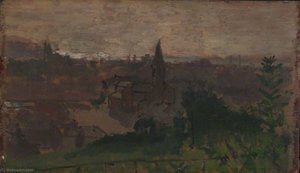
The Miner

Experience Walter Richard Sickert’s ‘The Miner,’ a raw & emotive oil painting capturing intense intimacy. Explore this Symbolist work's textured impasto and shallow perspective – a captivating glimpse into early 20th-century London.

Descubre a Walter Richard Sickert (1860-1942), pintor británico clave del arte de vanguardia. Sus escenas londinenses y retratos evocan la vida urbana.

Giclée / Impresión de arte

Impresiones giclée o en lienzo de calidad de museo con producción rápida y opciones de acabado flexibles. ( Encargar reproducción pintada a mano Ver versión en imagen digital)

P118B $10
P118H $10
P118W $10
P438Z $10
P508JH $12
P508YH $12
P805H $10
P805Z $10
P919BZ $10
P919G $10
P919XJ $10
P959ZH $10
P968JZ $12
W106C $8
W218G $10
W218JH $8
W218Y $10
W307PJ $10
W316G $10
W316PJ $8
W316Y $10
W398PJ $8
W4111J $10
W500HY $15
W500JH $15
W692G $12
W849H $8
W940BG $15
W953PJ $8

Estándar
personalizado
CM
INCH

Elija entre nuestros tamaños predefinidos que respetan las proporciones originales de la obra.

ancho
altura

Puede introducir sus propias dimensiones para adaptarse a un marco o espacio específico. Si el tamaño seleccionado no coincide con las proporciones de la imagen original, recortaremos la obra de arte o extenderemos la imagen con un borde con efecto espejo o de color sólido. Se enviará una maqueta digital para su aprobación antes de que comience la producción.
Tenga en cuenta que la vista previa en pantalla no refleja el recorte o la extensión real. Solo la maqueta mostrará con precisión la composición final.
Aunque existen tamaños personalizados, recomendamos seleccionar una dimensión de la lista predefinida para preservar las proporciones originales.

Envío a todo el mundo () en 2 semanas en lugar de las 4/5 semanas estándar. (16 septiembre)

why_choose_icon
Envío exprés gratuito a todo el mundo
why_choose_icon
Lienzo de lino de alta calidad
why_choose_icon
Seguro de envío completo
why_choose_icon
Garantía de reembolso de impuestos aduaneros
why_choose_icon
Garantía de fidelidad cromática exacta
why_choose_icon
Política de devolución de 100 días (solo por defectos)
why_choose_icon
Garantía de devolución del 100% del dinero
why_choose_icon
Oferta por volumen

Precio total

$ 68

reproduction

The Miner

Giclée / Impresión de arte

Tamaño de la reproducción

-

Precio total

$ 68

Datos clave

  • Artist: Walter Richard Sickert
  • Movement: Symbolism
  • Location: Birmingham Museums Trust
  • Artistic style: Romanticism/Symbolism
  • Subject or theme: Mining, intimacy, labor
  • Year: 1935-36
  • Title: The Miner

Cuestionario de arte

Cada pregunta tiene una única respuesta correcta.

Pregunta 1:
What artistic movement is most closely associated with Walter Richard Sickert’s ‘The Miner’?
Pregunta 2:
What is a prominent technique used in 'The Miner' that contributes to its emotional intensity?
Pregunta 3:
According to the provided text, what is a key theme explored in ‘The Miner’?
Pregunta 4:
In what year was ‘The Miner’ painted?
Pregunta 5:
What does the shallow perspective in ‘The Miner’ primarily achieve?

A Glimpse into the Heart of Labor: Walter Richard Sickert’s “The Miner”

Walter Richard Sickert's "The Miner," painted in 1935-36, isn’t merely a depiction of a working man; it’s an intimate excavation of human experience. This oil painting, currently residing within the Birmingham Museums Trust collection, offers a profoundly unsettling and ultimately poignant meditation on isolation, hardship, and the enduring search for connection. Sickert, a figure perpetually navigating the boundaries between artistic tradition and modernism – born in Munich but firmly rooted in London’s vibrant art scene – masterfully captures the psychological weight of a life spent toiling beneath the earth.

The composition immediately draws the viewer into a claustrophobic space. Two figures, rendered with a deliberate lack of idealization, are locked in an intense embrace. The man, his face partially obscured by a dark cap and the rough texture of his clothing, leans forward with a palpable urgency. His body is taut, suggesting both vulnerability and a desperate need for solace. The woman, her hair cascading down her back, offers a yielding presence – not necessarily one of passive acceptance, but rather a quiet resilience in the face of an unforgiving world. Sickert’s brushwork is remarkably tactile; thick impasto layers create a sense of physicality, almost as if you could reach out and feel the grit of the mine dust clinging to their skin.

The Shadowy World of Camden Town: Context and Style

To understand “The Miner,” it’s crucial to situate it within Sickert's broader artistic practice. He was a key figure in the Camden Town Group, a collective of artists who rejected the academic traditions of the Royal Academy and embraced a more gritty, urban realism. This group, centered around the bohemian district of Camden Town in London, sought to depict the lives of ordinary people – particularly those on the fringes of society – with unflinching honesty. Sickert’s work often explored themes of sexuality, poverty, and the darker aspects of human nature, frequently drawing inspiration from music halls, pubs, and the city's underbelly.

The painting’s style aligns closely with Symbolism and early Modernism. Sickert deliberately eschewed photographic realism, prioritizing emotional impact over precise representation. The muted color palette – dominated by browns, grays, and blacks – reinforces the somber mood of the scene. Notice how he uses light to sculpt form, creating a dramatic chiaroscuro effect that emphasizes the figures’ faces and bodies while plunging the background into darkness. This technique not only adds depth but also contributes to the painting's overall sense of mystery and unease.

Decoding the Symbolism: More Than Just a Miner

“The Miner” is rich in symbolic meaning, extending far beyond its literal subject matter. The mine itself represents a metaphorical descent into darkness – both physical and psychological. It’s a place of isolation, hardship, and relentless labor, mirroring the protagonist's emotional state following his personal loss. The embrace between the figures can be interpreted as an attempt to bridge this gap, offering a fleeting moment of connection amidst the overwhelming sense of despair. The woman’s partially obscured face suggests a vulnerability that contrasts with the man’s apparent strength, hinting at a complex power dynamic.

Furthermore, Sickert's choice of subject – a working-class couple – was deliberately provocative for its time. He wasn’t interested in romanticizing labor; instead, he presented it as a brutal reality, stripped of any sentimental gloss. The painting subtly challenges societal norms and exposes the human cost of industrialization. The flower glimpsed in the background, visible only briefly, could symbolize hope or beauty amidst the darkness – a reminder that even in the most difficult circumstances, moments of grace can still be found.

A Timeless Exploration of Human Connection

“The Miner” is not simply a portrait; it’s a profound exploration of human connection, isolation, and the enduring search for meaning. Sickert's masterful use of light, color, and brushwork creates an intensely emotional experience, inviting viewers to contemplate the complexities of the human condition. It remains a powerful testament to his unique artistic vision and a haunting reminder of the lives lived in the shadows of modern society. Reproductions capture much of this evocative power, offering a window into a world both familiar and profoundly unsettling.


Biografía del artista

Primeros años y formación

Walter Richard Sickert, un pintor británico de origen alemán, nació el 31 de mayo de 1860 en Múnich, Reino de Baviera. Su familia se estableció en Inglaterra en 1868, tras la anexión alemana de Schleswig-Holstein. La educación temprana de Sickert tuvo lugar en la University College School y la King's College School, donde estudió hasta los 18 años.

Desarrollo artístico

El viaje artístico de Sickert comenzó con una breve incursión como actor, seguida de su inscripción en la Slade School en 1881. Posteriormente, se convirtió en alumno de James Abbott McNeill Whistler, quien influyó significativamente en su obra. Sus primeras pinturas fueron pequeños estudios tonales pintados "alla prima" desde la naturaleza siguiendo el ejemplo de Whistler.

Obras destacadas y controversia

Las primeras obras importantes de Sickert, que datan de finales de la década de 1880, representaban escenas en los teatros de música de Londres. Una de sus pinturas notables, Katie Lawrence at Gatti's, generó controversia debido a su representación de una conocida cantante de teatro musical, considerada "fea y vulgar" por los críticos.

Asociación con el Grupo de Camden Town

Sickert fue una influencia importante en los estilos británicos de arte vanguardista del siglo XX. Se unió al New English Art Club en 1888, un grupo de artistas realistas influenciados por los franceses, y posteriormente se convirtió en miembro del Grupo de Camden Town.

Legado

La obra de Sickert puede encontrarse en varios museos, incluido el Museum Kunstsalon Franke Schenk, que presenta obras desde los siglos XVI al XX. Su legado se extiende más allá de su propio arte, influyendo en los estilos británicos de arte vanguardista a mediados y finales del siglo XX. Fechas clave:

  • 31 de mayo de 1860: Nacimiento en Múnich, Reino de Baviera
  • 1888: Se unió al New English Art Club
  • 1903-04: Desarrolló un enfoque distintivo para los conjuntos de múltiples figuras durante su último viaje de pintura a Venecia

Conclusión

El trabajo pionero de Walter Richard Sickert en el arte británico de vanguardia ha dejado una huella indeleble en el mundo del arte. Su legado continúa inspirando e influyendo en artistas, convirtiéndolo en una figura crucial en la historia del arte moderno.
Walter Richard Sickert

Walter Richard Sickert

1860 - 1942 , Alemania

Datos clave

  • Artistas Que Influyeron: ['James Abbott McNeill Whistler']
  • Fecha De Fallecimiento: 22 de enero de 1942
  • Fecha De Nacimiento: 31 de mayo de 1860
  • Influencia Artística: Camden Town Group, Arte británico moderno
  • Lugar De Nacimiento: Múnich, Alemania
  • Movimiento Artístico: Postimpresionismo, Realismo
  • Nacionalidad: Británico (de origen alemán)
  • Nombre Completo: Walter Richard Sickert
  • Obras Notables:
    • Katie Lawrence en Gatti's
    • Gaieté Montparnasse
Explore obras de arte organizadas por temas, estilos y características.