Asesoría de arte gratuita

x
Encargar reproducción Encargar reproducciónComprar imagen en alta resolución Comprar imagen en alta resolución EnviarEnviar
DetallesDetalles Añadir a favoritos Añadir a favoritos DescargarDescargar SimilaresSimilares RadiografíaRadiografía Presentación de diapositivasPresentación de diapositivas

Untitled (DD24F5)

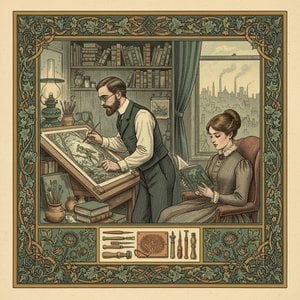
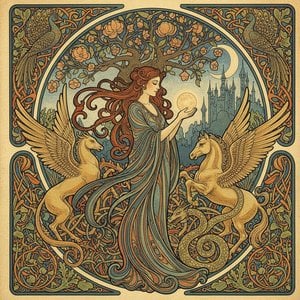
A vibrant illustration by Walter Crane depicting two women amidst flowers, showcasing the artist's signature style and intricate detail from his beloved children’s book art.

Descubre a Walter Crane (1845-1915), ilustrador inglés influyente! Explora sus vibrantes libros infantiles, estilo prerrafaelita y motivos icónicos del 'niño en el jardín'. ¡Encuentra su arte en WahooArt!

Giclée / Impresión de arte

Impresión giclée o en lienzo de calidad de museo con producción rápida y opciones de acabado flexibles.

P118B $10
P118H $10
P118W $10
P438Z $10
P508JH $12
P508YH $12
P805H $10
P805Z $10
P919BZ $10
P919G $10
P919XJ $10
P959ZH $10
P968JZ $12
W106C $8
W218G $10
W218JH $8
W218Y $10
W307PJ $10
W316G $10
W316PJ $8
W316Y $10
W398PJ $8
W4111J $10
W500HY $15
W500JH $15
W692G $12
W849H $8
W940BG $15
W953PJ $8

Standard
custom
CM
INCH

Elija entre nuestros tamaños predefinidos que respetan las proporciones originales de la obra.

ancho
altura

Puede introducir sus propias dimensiones para adaptarse a un marco o espacio específico. Si el tamaño seleccionado no coincide con las proporciones de la imagen original, recortaremos la obra de arte o extenderemos la imagen con un borde con efecto espejo o de color sólido. Se enviará una maqueta digital para su aprobación antes de que comience la producción.
Tenga en cuenta que la vista previa en pantalla no refleja el recorte o la extensión real. Solo la maqueta mostrará con precisión la composición final.
Aunque existen tamaños personalizados, recomendamos seleccionar una dimensión de la lista predefinida para preservar las proporciones originales.

Entrega mundial () en 2 semanas en lugar de las 4/5 semanas estándar. (7 julio)

why_choose_icon
Envío exprés gratuito a todo el mundo
why_choose_icon
Lienzo de lino de alta calidad
why_choose_icon
Seguro de envío total
why_choose_icon
Garantía de reembolso de impuestos aduaneros
why_choose_icon
Garantía de fidelidad de color
why_choose_icon
Política de devolución de 60 días (solo por defectos)
why_choose_icon
Garantía de devolución del 100% del dinero
why_choose_icon
Descuento por pedido múltiple

Precio total

-

reproduction

Untitled (DD24F5)

Giclée / Impresión de arte

Tamaño de la reproducción

-

Precio total final

-

Datos clave

  • Notable elements: Detailed illustration
  • Movement: Arts and Crafts
  • Artist: Walter Crane
  • Artistic style: Symbolic, Romantic
  • Medium: Oil on Canvas
  • Year: 1906
  • Subject or theme: Nature, Folklore

Test de arte

Solo hay una respuesta correcta para cada pregunta.

Pregunta 1:
What is the primary subject depicted in Walter Crane’s ‘The North Wind and The Robin’?
Pregunta 2:
In what artistic movement was Walter Crane primarily involved?
Pregunta 3:
What technique is most prominently used in ‘The North Wind and The Robin’?
Pregunta 4:
Crane's work often reflected his political beliefs. What was a key focus of his socialist activism?
Pregunta 5:
The image features a scene that draws upon which traditional motif?

Descripción de la obra

Walter Crane’s “The North Wind and The Robin” – A Symphony of Childhood Innocence

Walter Crane's "The North Wind and The Robin," painted in 1906, isn’t merely a depiction of a winter scene; it’s an immersive experience of childhood wonder, imbued with the gentle optimism characteristic of the Arts & Crafts movement. This exquisite watercolor on paper captures a moment of quiet resilience – a tiny robin bravely facing a formidable north wind, sheltered beneath the protective branches of a venerable oak tree. Crane masterfully utilizes color and texture to convey both the raw power of nature and the vulnerability of its smallest inhabitants, creating an image that resonates with profound emotional depth.

Crane’s style is immediately recognizable: a blend of meticulous detail and loose, expressive brushwork. He eschews photographic realism in favor of a heightened sense of atmosphere, prioritizing feeling over strict representation. Notice how the swirling blues and greys of the wind are rendered not as solid forms but as shimmering washes, suggesting movement and energy without overwhelming the composition. The robin itself is painted with delicate precision – its bright red breast a vibrant counterpoint to the muted tones surrounding it, symbolizing hope and tenacity in the face of adversity.

A Window into the Arts & Crafts Movement

Painted during a period of intense artistic and social reform, “The North Wind and The Robin” reflects the core tenets of the Arts & Crafts movement. Crane, deeply influenced by William Morris and John Ruskin, sought to elevate craftsmanship and imbue everyday objects with beauty and meaning. This painting exemplifies that philosophy through its meticulous attention to detail, its celebration of natural forms, and its underlying moral message – a quiet affirmation of courage and resilience.

The piece also speaks to the movement’s broader concern for social justice. Crane was a committed socialist and pacifist, using his art as a vehicle for promoting progressive ideals. The robin's vulnerability serves as a poignant metaphor for the marginalized and oppressed, while its unwavering spirit embodies the enduring strength of the human spirit.

Symbolism and Narrative

Beyond its aesthetic qualities, “The North Wind and The Robin” is rich in symbolic meaning. The oak tree represents steadfastness and protection – a venerable guardian offering shelter to the smaller creature. The north wind itself symbolizes challenges, hardship, and the forces of opposition. However, Crane doesn’t portray these elements as menacing; instead, he presents them as part of a natural cycle, emphasizing the robin's ability to endure and ultimately triumph.

The composition is carefully balanced, drawing the eye from the sheltered robin in the foreground to the expansive landscape beyond. This creates a sense of both intimacy and grandeur, inviting the viewer to contemplate the relationship between the individual and the wider world. The subtle use of light and shadow further enhances this effect, adding depth and dimension to the scene.

A Timeless Appeal

“The North Wind and The Robin” continues to captivate audiences today because it taps into universal themes of courage, resilience, and hope. Crane’s masterful technique and evocative imagery create a timeless work of art that speaks to our deepest emotions. It's a piece that invites contemplation, sparking memories of childhood innocence and reminding us of the enduring power of nature’s beauty.

Reproductions of this iconic painting offer a wonderful opportunity to bring Crane’s enchanting vision into your home or office. Whether displayed as a statement piece in a living room or a calming accent in a bedroom, “The North Wind and The Robin” is sure to evoke feelings of warmth, wonder, and quiet strength.

Obras similares


Biografía del artista

Primeros Años e Influencias

  • Nacido: 15 de agosto de 1845, Liverpool, Reino Unido
  • Fallecido: 14 de marzo de 1915

Walter Crane nació en una familia profundamente inmersa en las artes. Su padre, Thomas Crane, era un respetado retratista y miniaturista, mientras que su hermano, también Thomas, persiguió una carrera como ilustrador. Este ambiente familiar fomentó una atmósfera creativa desde temprana edad.

El desarrollo artístico de Crane fue significativamente moldeado por la exposición a varios movimientos artísticos, más notablemente la Hermandad Prerrafaelita. El énfasis de los prerrafaelitas en el detalle, los colores vibrantes y la narración visual influyó profundamente en las sensibilidades estéticas de Crane.

También fue un dedicado estudiante de John Ruskin, un destacado artista y crítico cuyos escritos defendían la artesanía y la integración del arte en la vida cotidiana. Las ideas de Ruskin sobre la responsabilidad social en el arte resonaron con Crane a lo largo de su carrera.

Carrera Artística: Pintura, Ilustración y Artes Decorativas

La trayectoria artística de Crane abarcó una amplia gama de campos, incluyendo pintura, ilustración y artes decorativas. Demostró versatilidad en varios medios.

Quizás se le reconozca mejor por sus contribuciones a la ilustración de libros infantiles. Su trabajo en esta área se caracterizó por colores vibrantes, detalles intrincados y representaciones imaginativas del mundo natural.

Un motivo recurrente en las ilustraciones de Crane fue el tema del "niño en el jardín", que se convirtió en una característica distintiva de la literatura infantil inglesa durante la era victoriana. Este enfoque reflejaba una visión romántica de la inocencia infantil y la conexión con la naturaleza.

  • Obras notables: "Walter Crane: W to Z", "The Sweep" y "Summer".

Los talentos artísticos de Crane se extendieron más allá de los libros infantiles; también creó baldosas cerámicas, papeles pintados y otras artes decorativas, demostrando su compromiso con los ideales del movimiento Arts and Crafts de integrar el arte en la vida cotidiana.

Obras Clave y Estilo Artístico

  • "Walter Crane: W to Z": Una colección que muestra el rango artístico de Crane a través de ilustraciones alfabéticas.
  • "The Sweep": Una ilustración conmovedora que representa la vida de un niño, reflejando el comentario social dentro de su arte.
  • "Summer": Ejemplifica el motivo del "niño en el jardín" con representaciones vibrantes de la naturaleza y la alegría infantil.

El estilo de Crane se caracterizó por meticulosos detalles, planos de color planos y un fuerte sentido del diseño. A menudo empleó técnicas de grabado en madera y litografía para lograr sus efectos visuales distintivos.

Sus ilustraciones incorporaron con frecuencia elementos del arte japonés, reflejando la creciente influencia del Japonismo en la Inglaterra victoriana. Esto es evidente en su uso de contornos audaces, formas simplificadas y patrones decorativos.

Legado e Influencia

El legado de Walter Crane se extiende mucho más allá de su propia producción artística. Es considerado un pionero de la ilustración de libros infantiles, moldeando significativamente el desarrollo del género.

Su énfasis en el diseño y el detalle ayudó a establecer la ilustración de libros infantiles como un campo distinto dentro del mundo del arte más amplio.

Crane influyó en generaciones de artistas e ilustradores, incluyendo Randolph Caldecott y Kate Greenaway, quienes popularizaron aún más los libros ilustrados para niños.

Defendió la integración del arte en la vida cotidiana a través de su trabajo en las artes decorativas, alineándose con los principios del movimiento Arts and Crafts.

  • Exhibiciones: Sus ilustraciones han sido exhibidas en museos de todo el mundo, incluyendo el Museo de Christ's Hospital en Horsham, Reino Unido, el British Museum y el Victoria and Albert Museum.

Las contribuciones de Crane a la literatura infantil son inconmensurables; su trabajo continúa inspirando a artistas e ilustradores hoy en día, demostrando el poder perdurable de la ilustración para involucrar y educar.

Walter Crane

Walter Crane

1845 - 1915 , Reino Unido

Datos clave

  • Artistas Influenciados:
    • Randolph Caldecott
    • Kate Greenaway
  • Artistas Que Influyeron:
    • John Ruskin
    • William J. Linton
  • Fecha De Fallecimiento: 14 de marzo de 1915
  • Fecha De Nacimiento: 15 de agosto de 1845
  • Lugar De Nacimiento: Liverpool, Reino Unido
  • Movimiento Artístico:
    • Pre-Rafaelita
    • Arts and Crafts
  • Nacionalidad: Británico
  • Nombre Completo: Walter Crane
  • Obras Notables:
    • Walter Crane: W to Z
    • The Sweep
    • Summer