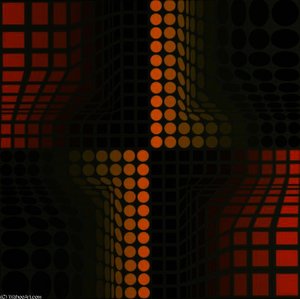
Impresiones giclée o en lienzo de calidad de museo con producción rápida y opciones de acabado flexibles. ( Comprar pintura hecha a mano Comprar imagen)





























Elija entre nuestros tamaños predefinidos que respetan las proporciones originales de la obra.

Puede introducir sus propias dimensiones para adaptarse a un marco o espacio específico. Si el tamaño seleccionado no coincide con las proporciones de la imagen original, recortaremos la obra de arte o extenderemos la imagen con un borde con efecto espejo o de color sólido. Se enviará una maqueta digital para su aprobación antes de que comience la producción.
Tenga en cuenta que la vista previa en pantalla no refleja el recorte o la extensión real. Solo la maqueta mostrará con precisión la composición final.
Aunque existen tamaños personalizados, recomendamos seleccionar una dimensión de la lista predefinida para preservar las proporciones originales.
Envío a todo el mundo () en 2 semanas en lugar de las 4/5 semanas estándar. (6 septiembre)


Oervegn
Dimensiones de la reproducción
Victor Vasarely's "Oervegn," painted in 1968, is more than just a visually striking image of a blue circle punctuated by a vibrant yellow spiral; it’s a profound meditation on perception and the very nature of reality. Created during his pivotal period as a leading figure in Op Art – Optical Art – this work embodies Vasarely's lifelong fascination with geometry, movement, and the illusionary effects created through precise visual arrangements. The painting’s genesis lies within the Bauhaus-influenced workshop of Sándor Bortnyik, where Vasarely honed his skills in functional design and geometric abstraction, principles that would become the bedrock of his artistic vocabulary.
Vasarely's technique was meticulously crafted to manipulate the viewer’s perception. “Oervegn” exemplifies this approach through a deliberate use of contrasting colors – the cool, calming blue against the energetic yellow – and a precisely rendered spiral. This isn’t simply a decorative element; it’s a carefully constructed illusion designed to create a sense of movement and depth within a static image. The circular form itself is a fundamental geometric shape, often associated with wholeness, unity, and the cosmos. Vasarely's mastery lay in exploiting the way our eyes and brain process visual information, creating an optical experience that transcends traditional representational art.
Painted in 1968, “Oervegn” reflects a broader artistic movement – Op Art – which emerged in the mid-20th century as a reaction against the dominance of representational painting. Artists like Vasarely sought to engage with the viewer directly through optical effects, challenging conventional notions of space and form. This period was also marked by advancements in science, particularly psychology and optics, which informed artists’ explorations into visual perception. The work speaks to a time of rapid technological change and increasing awareness of the constructed nature of reality – themes that continue to resonate today.
While seemingly abstract, “Oervegn” invites contemplation about fundamental questions: What is real? How do we perceive the world around us? The spiral, a symbol of eternity and continuous movement, suggests an endless cycle or process. The blue hue evokes feelings of serenity and introspection, while the yellow injects energy and optimism. Ultimately, Vasarely’s work isn't about depicting a specific scene; it’s about evoking an emotional response through carefully orchestrated visual elements. It is a piece that invites the viewer to become actively involved in the creation of meaning.
Victor Vasarely (nacido Károly Vaszary) fue una figura clave en el desarrollo del Op Art y el arte cinético. Su obra buscaba trascender la pintura tradicional explorando ilusiones ópticas y creando experiencias visuales dinámicas. Nacido en Pécs, entonces parte de Austria-Hungría (ahora Croacia), su vida temprana incluyó estudiar medicina en la Universidad Eötvös Loránd de Budapest antes de dedicarse por completo al arte.
La contribución de Vasarely a la historia del arte es multifacética. Se movió más allá de las técnicas pictóricas tradicionales para crear obras que involucran activamente la percepción del espectador. Su enfoque sistemático desafió las nociones convencionales de creatividad artística y allanó el camino para el arte generado por computadora y el diseño digital. Al abrazar la reproducibilidad y las aplicaciones comerciales, Vasarely difuminó los límites entre el arte fino y la cultura popular, dejando una huella perdurable en ambos.

1906 - 1997 , Croacia
Explore the mesmerizing world of Victor Vasarely. Discover how his Bauhaus-inspired Op Art masters the science of perception through geometric abstraction and vibrant color. A sophisticated guide for discerning art collectors seeking to understand the legacy of optical illusion.

Embark on a visual journey through the mesmerizing world of Op Art. Discover the masters of optical illusion, explore geometric abstraction, and learn how to curate high-impact kinetic works for your private collection with expert guidance from art professionals.

 Ver en contexto
 Enviar
 Compartir
 Detalles

 Descargar
 Similares
 Radiografía
 Presentación de diapositivas

 Ver más







 La opción de vidrio solo está disponible en tamaños inferiores a 110 cm.