Ver en contextoVer en contexto Vista previa en RAVista previa en RA Switch to Print Switch to PrintSwitch to Digital Image Switch to Digital Image EnviarEnviar
DetallesDetalles Añadir a favoritos Añadir a favoritos DescargarDescargar SimilaresSimilares RadiografíaRadiografía Presentación de diapositivasPresentación de diapositivas StatsStats

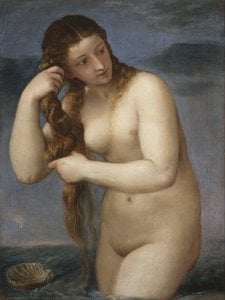
Venus and Adonis 1

Titian’s stunning Venus and Adonis 1 captures the dramatic High Renaissance scene of love and pursuit with vivid colors and intricate detail. Admire this masterpiece by the Venetian master and explore a captivating reproduction to own a timeless work of art.

Tiziano Vecellio, conocido como Titian, fue el pintor más destacado de la pintura veneciana del siglo XVI y pionero en el uso del color, dejando un legado artístico eterno.

Reproducción al óleo hecha a mano

Óleo sobre lienzo pintado a mano en el tamaño y marco de su elección, realizado por encargo por nuestros artistas. (Switch to Print Switch to PrintSwitch to Digital Image Switch to Digital Image)

P118B $10
P118H $10
P118W $10
P438Z $10
P508JH $12
P508YH $12
P805H $10
P805Z $10
P919BZ $10
P919G $10
P919XJ $10
P959ZH $10
P968JZ $12
W106C $8
W218G $10
W218JH $8
W218Y $10
W307PJ $10
W316G $10
W316PJ $8
W316Y $10
W398PJ $8
W4111J $10
W500HY $15
W500JH $15
W692G $12
W849H $8
W940BG $15
W953PJ $8

Estándar
a medida
CM
INCH

Elija entre nuestros tamaños predefinidos que respetan las proporciones originales de la obra.

ancho
altura

Puede ingresar sus propias dimensiones para adaptarse a un marco o espacio específico. Si el tamaño seleccionado no coincide con las proporciones de la imagen original, recortaremos la obra o extenderemos la pintura con elementos adicionales pintados a mano. Se le enviará una maqueta digital para su aprobación antes de comenzar la producción.
Tenga en cuenta que la vista previa en pantalla no refleja el recorte o la extensión reales. Solo la maqueta mostrará con precisión la composición final.
Si bien existen tamaños personalizados, recomendamos seleccionar una dimensión de la lista predefinida para preservar las proporciones originales.

Ejemplos de lo que se puede personalizar: Reemplace el rostro con una foto del cliente; Agregue una mascota (por ejemplo, cambie un gato por un perro); Incluya un mensaje oculto en el fondo; Cambie el paisaje o los elementos del fondo.
Tras realizar el pedido, el equipo de WahooArt.com enviará un correo electrónico al cliente para solicitar instrucciones y proporcionarle una vista previa del boceto.

Envío a todo el mundo () en 3-4 semanas en lugar de las 5 semanas estándar. (8 septiembre). Sin comprometer la calidad.

why_choose_icon
Envío exprés gratuito a todo el mundo
why_choose_icon
Lienzo de lino de alta calidad
why_choose_icon
Seguro de envío total
why_choose_icon
Garantía de reembolso de impuestos aduaneros
why_choose_icon
Garantía de fidelidad cromática exacta
why_choose_icon
Política de devolución de 100 días (solo por defectos)
why_choose_icon
Garantía de devolución del 100% del dinero
why_choose_icon
Descuento por cantidad

Precio total

$ 272

reproduction

Venus and Adonis 1

Técnica de reproducción

Dimensiones de la reproducción

-

Precio total final

$ 272

Datos clave

  • Subject or theme: Venus and Adonis
  • Title: Venus and Adonis 1
  • Movement: High Renaissance
  • Medium: Oil on canvas
  • Artist: Titian
  • Artistic style: Vivid colors, intricate details

Titian's *Venus and Adonis*: A Renaissance Reverie

The painting *Venus and Adonis 1*, attributed to the masterful Venetian painter Titian Vecellio (c. 1490 – 1576), is more than a depiction of mythological figures; it’s an immersion into the heart of High Renaissance ideals, rendered with a breathtaking confidence in color and form. Created during a period of immense artistic innovation within Venice—a city that served as a crucible for new techniques and daring compositions—this oil on canvas work embodies Titian's profound understanding of human anatomy, dramatic storytelling, and the sheer expressive power of pigment. The scene unfolds with a palpable tension, capturing a pivotal moment from Ovid’s *Metamorphoses* – Venus’s desperate attempt to revive the fallen Adonis after his fatal hunt. The dynamic arrangement of figures, the carefully considered use of light and shadow, and the rich tapestry of textures all contribute to an experience that transcends mere representation, inviting viewers into the very drama of the narrative.

  • Subject Matter: The painting’s subject is rooted in classical mythology. Venus, goddess of love and beauty, attempts to rescue Adonis from his wounds, while a young man watches with apparent distress.
  • Composition: Titian masterfully employs diagonal lines to create a sense of movement and instability, reflecting the chaotic nature of the scene and intensifying the emotional impact. The placement of the figures—particularly Venus’s outstretched hand—draws the eye directly into the heart of the narrative.
  • Technique: Titian's signature technique – layering thin glazes of oil paint – is evident in the luminous quality of the skin tones and the vibrant hues of the drapery. This method, perfected over decades, allowed him to achieve an unparalleled level of realism and depth.

A Window into Venetian Painting

Titian’s work was profoundly influential, shaping the course of Italian Renaissance painting and establishing Venice as a dominant force in the art world. As a leading figure within the Venetian School, Titian moved away from the more rigid conventions of Florentine artists like Leonardo da Vinci, embracing instead a looser, more sensual style characterized by intense color and dramatic lighting. This approach was directly influenced by the vibrant atmosphere of Venice itself – a city renowned for its trade, its canals, and its diverse cultural influences. The Venetian School’s emphasis on color wasn't simply decorative; it served to heighten emotional expression and create a sense of immediacy within the paintings.

The painting’s context is crucial to understanding its significance. Titian was working during a time when patronage—the financial support provided by wealthy individuals or institutions—was essential for artists. The most significant patrons were the Doge of Venice, and various noble families who commissioned works to decorate their palaces and villas. This commission-driven environment fostered an atmosphere of intense competition and innovation among Venetian painters, leading to the creation of some of the most celebrated artworks in Western art history.

Symbolism and Emotional Resonance

Beyond its narrative content, *Venus and Adonis* is rich with symbolic meaning. Venus represents not only love but also fertility, beauty, and desire – themes that were central to Renaissance thought. The vulnerability of Adonis, depicted as a young man overwhelmed by the power of love, speaks to universal anxieties about mortality and loss. The setting itself—a wooded area with a prominent tree—adds to the painting’s evocative quality, suggesting both the wildness of nature and the potential for danger.

Titian's ability to evoke such powerful emotions through his art is a testament to his mastery of color and composition. The painting’s dramatic lighting, with its strong contrasts between light and shadow, further enhances this effect, drawing the viewer into the scene and creating a sense of immediacy. The overall impression is one of intense passion, vulnerability, and tragic beauty – qualities that have captivated audiences for centuries.

A Legacy of Artistic Innovation

*Venus and Adonis 1* stands as a pivotal work in Titian’s oeuvre and a cornerstone of High Renaissance art. Its technical brilliance, dramatic composition, and profound emotional resonance continue to inspire artists and art lovers alike. Reproductions of this masterpiece offer an unparalleled opportunity to experience the full force of Titian's genius, bringing his vibrant vision into any setting.


Biografía del artista

Tiziano Vecellio: The Venetian Titan

Tiziano Vecellio, universally known as Titian, stands as a monumental figure of the Italian Renaissance—perhaps its most celebrated colorist and a master who redefined the possibilities of oil painting. Born around 1490 in Pieve di Cadore, nestled amidst the dramatic landscapes of the Venetian Alps, his journey from humble beginnings to international acclaim is a testament to prodigious talent and an unwavering dedication to artistic innovation. The exact date of Titian’s birth remains elusive, debated by scholars, but contemporary sources and his early stylistic development converge on estimates between 1488 and 1490.

His father, Gregorio Vecellio, was a military man—a profession that instilled in young Tiziano a disciplined spirit and an appreciation for observation. Lucia, his mother, nurtured him with affection and fostered his artistic inclinations. Recognizing their sons’ potential, the family arranged for Tiziano and Francesco to apprentice with Sebastiano Zuccato, a mosaicist—a decision that would irrevocably alter the course of art history. This formative experience exposed them to the meticulous craftsmanship required for creating intricate decorative panels, shaping their aesthetic sensibilities from an early age.

Titian’s artistic training continued under Giovanni Bellini, who was then Venice’s most prominent painter and a revered teacher. Bellini’s workshop fostered a tradition of Venetian painting characterized by lyrical beauty and subtle tonal harmonies—influences that would permeate Titian’s oeuvre throughout his life. Notably, he collaborated closely with Giorgione—a fellow Venetian artist whose groundbreaking style championed atmospheric perspective and psychological depth.

A Master's Early Style: Giorgione's Influence

The partnership between Titian and Giorgione proved pivotal in shaping Titian’s artistic vision. Their collaboration on the exterior frescoes for the Fondaco dei Tedeschi—a bustling trading post frequented by German merchants—established a stylistic precedent that would endure for decades. The paintings showcased a remarkable sensitivity to light and color, reflecting Giorgione’s pioneering exploration of atmospheric perspective—a technique that aimed to convey the illusion of depth and realism.

Titian’s early works embody this Giorgionesque aesthetic—characterized by hazy landscapes, muted palettes, and an emphasis on capturing mood rather than precise detail. Paintings like *A Man with a Quilted Sleeve* exemplify his burgeoning talent for portraiture, skillfully portraying not only the physical likeness of his subjects but also their inner character—a hallmark of Venetian Renaissance painting.

Expanding Horizons: Bellini's Legacy and Artistic Maturity

Following Giorgione’s untimely death in 1510, Titian continued his artistic development under Giovanni Bellini’s guidance—though Bellini himself was gradually withdrawing from active painting. This period witnessed a gradual shift toward bolder compositions and more assertive color palettes—reflecting Titian’s growing confidence as an independent artist.

His monumental altarpiece for Santa Maria Gloriosa dei Frari—commissioned in 1518—marked a watershed moment in Venetian painting history. The ambitious undertaking demanded mastery of technique, compositional innovation, and chromatic brilliance—qualities that Titian possessed in abundance. This masterpiece cemented his reputation as Venice’s foremost painter and established him as a pioneer of monumental fresco painting.

The Venetian School's Dominance

Titian’s influence extended far beyond his own lifetime, shaping the artistic landscape of Europe for centuries to come. He became a cornerstone of the Venetian school—a movement that championed coloristic realism and psychological depth—inspiring artists across generations. From Rubens and Rembrandt to Delacroix and Monet, Titian’s techniques—particularly his innovative layering of pigments and his masterful manipulation of light—became models for aspiring painters.

His legacy endures not only in the masterpieces he created but also in the enduring fascination with color and emotion that characterizes Venetian art. Tiziano Vecellio—Titian—remains an unparalleled figure in the history of painting, a testament to artistic genius and an embodiment of the Renaissance spirit.

Tiziano

Tiziano

1490 - 1576 , Italia

Datos clave

  • Artistic Movement Or Style: Renacimiento Veneciano
  • Artists Or Movements Influenced By This Artist:
    • Rubens
    • Delacroix
  • Artists Who Influenced This Artist:
    • Giovanni Bellini
    • Giorgione
  • Date Of Birth: c. 1490
  • Date Of Death: 1576
  • Full Name: Tiziano Vecellio
  • Nationality: Italiano
  • Notable Artworks:
    • La Schiavona
    • Venus de Urbino
  • Place Of Birth: Pieve di Cadore, Italia
Explore obras de arte organizadas por temas, estilos y características.