x
Ver en contextoVer en contexto Vista previa en RAVista previa en RA Comprar impresión Comprar impresiónComprar imagen Comprar imagen EnviarEnviar
DetallesDetalles Añadir a favoritos Añadir a favoritos DescargarDescargar SimilaresSimilares RadiografíaRadiografía Presentación de diapositivasPresentación de diapositivas

Orpheus

Experience the captivating beauty of "Orpheus" by Titian Ramsay Peale II! This Renaissance masterpiece depicts the legendary musician and his enchanting music, showcasing vibrant colors and a dynamic scene.

Descubra a Titian Ramsay Peale II (1799-1885), artista y naturalista estadounidense reconocido por sus pinturas al estilo del Alto Renacimiento, detalladas ilustraciones de vida silvestre y sus contribuciones a las expediciones científicas tempranas. Explore sus obras maestras redescubiertas en...

Reproducción al óleo hecha a mano

Óleo sobre lienzo pintado a mano en el tamaño y marco de su elección, realizado por encargo por nuestros artistas. (Comprar impresión Comprar impresiónComprar imagen Comprar imagen)

P118B $10
P118H $10
P118W $10
P438Z $10
P508JH $12
P508YH $12
P805H $10
P805Z $10
P919BZ $10
P919G $10
P919XJ $10
P959ZH $10
P968JZ $12
W106C $8
W218G $10
W218JH $8
W218Y $10
W307PJ $10
W316G $10
W316PJ $8
W316Y $10
W398PJ $8
W4111J $10
W500HY $15
W500JH $15
W692G $12
W849H $8
W940BG $15
W953PJ $8

Estándar
a medida
CM
INCH

Elija entre nuestros tamaños predefinidos que respetan las proporciones originales de la obra.

ancho
altura

Puede ingresar sus propias dimensiones para adaptarse a un marco o espacio específico. Si el tamaño seleccionado no coincide con las proporciones de la imagen original, recortaremos la obra o extenderemos la pintura con elementos adicionales pintados a mano. Se le enviará una maqueta digital para su aprobación antes de comenzar la producción.
Tenga en cuenta que la vista previa en pantalla no refleja el recorte o la extensión reales. Solo la maqueta mostrará con precisión la composición final.
Si bien existen tamaños personalizados, recomendamos seleccionar una dimensión de la lista predefinida para preservar las proporciones originales.

Ejemplos de lo que se puede personalizar: Reemplace el rostro con una foto del cliente; Agregue una mascota (por ejemplo, cambie un gato por un perro); Incluya un mensaje oculto en el fondo; Cambie el paisaje o los elementos del fondo.
Tras realizar el pedido, el equipo de WahooArt.com enviará un correo electrónico al cliente para solicitar instrucciones y proporcionarle una vista previa del boceto.

Envío a todo el mundo () en 3-4 semanas en lugar de las 5 semanas estándar. (5 septiembre). Sin comprometer la calidad.

why_choose_icon
Envío exprés gratuito a todo el mundo
why_choose_icon
Lienzo de lino de alta calidad
why_choose_icon
Seguro de envío total
why_choose_icon
Garantía de reembolso de impuestos aduaneros
why_choose_icon
Garantía de fidelidad cromática exacta
why_choose_icon
Política de devolución de 60 días (solo por defectos)
why_choose_icon
Garantía de devolución del 100% del dinero
why_choose_icon
Descuento por cantidad

Precio total

$ 272

reproduction

Orpheus

Técnica de reproducción

Dimensiones de la reproducción

-

Precio total final

$ 272

Datos clave

  • Year: 1515
  • Subject or theme: Greek mythology
  • Title: Orpheus
  • Artist: Titian Ramsay Peale II
  • Medium: Painting
  • Notable elements: Mythological figure
  • Influences: Venetian masters

Test de arte

Cada pregunta tiene una única respuesta correcta.

Pregunta 1:
What is the primary subject depicted in Titian Ramsay Peale II’s ‘Orpheus’?
Pregunta 2:
According to the image description, what is one notable feature present in the painting?
Pregunta 3:
In what year was Titian Ramsay Peale II’s ‘Orpheus’ painted?
Pregunta 4:
What artistic movement is most closely associated with Titian Ramsay Peale II’s style, as indicated in his biography?
Pregunta 5:
The image description mentions a duck situated on the ground. What does this detail suggest about the painting’s atmosphere?

A Symphony of Light and Loss: Unveiling Titian Ramsay Peale II’s “Orpheus”

Titian Ramsay Peale II's "Orpheus," painted in 1515, isn’t merely a depiction of the legendary musician; it’s a profound meditation on beauty, grief, and the enduring power of art. This captivating work transcends its historical context to resonate with viewers today through its masterful use of light, color, and an arresting sense of human emotion. Peale, a key figure in American art history bridging the Renaissance ideals of Venice with the burgeoning artistic landscape of the New World, imbued this piece with a distinctly Romantic sensibility – a focus on feeling and subjective experience that would become increasingly prominent in subsequent generations.

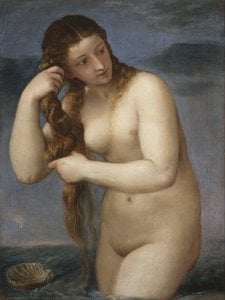
The scene unfolds within a richly textured interior, bathed in a dramatic interplay of light and shadow. Orpheus, rendered with meticulous detail, dominates the composition, his posture conveying both intense concentration and palpable sorrow. His flowing robes, rendered in deep blues and purples, contrast sharply with the vibrant hues of the surrounding women – a deliberate choice that highlights his isolation amidst a scene of apparent revelry. The figures are not simply arranged; they’re carefully positioned to create a dynamic visual narrative, drawing the eye through the painting's layers.

The Mythic Core: Orpheus and Eurydice

At its heart, “Orpheus” is rooted in the timeless Greek myth of Orpheus and Eurydice. The story, as recounted by Apollodorus and later Virgil, tells of Orpheus’s profound love for his wife, Eurydice, who tragically dies after being bitten by a snake. Driven by grief, Orpheus descends into the underworld, using his lyre to charm Hades and Persephone, ultimately securing permission to escort Eurydice back to the world of the living – only under the condition that he not turn back to look at her until they both reached the sunlight. Tragically, his overwhelming despair leads him to succumb to temptation and glance backward, causing Eurydice to vanish forever.

Peale masterfully captures this poignant moment of loss and regret. The women surrounding Orpheus are not passive observers; they seem lost in their own enjoyment of the music, oblivious to the depth of his sorrow. This juxtaposition underscores the isolating nature of grief – a private torment experienced within a world seemingly untouched by pain. The inclusion of birds—a common motif in depictions of Orpheus—adds another layer of symbolism, representing both beauty and fleeting joy, reminders of what has been lost.

Technique and Artistic Influence

Peale’s technique is characterized by a remarkable attention to detail and a masterful command of color. He employs sfumato – a subtle blurring of lines and edges – to create an atmosphere of ethereal beauty, particularly in the rendering of Orpheus's face and the drapery of his robes. His use of chiaroscuro—the dramatic contrast between light and dark—further enhances the painting’s emotional impact, emphasizing the figures’ forms and creating a sense of depth and drama. Peale was deeply influenced by the Venetian Renaissance masters, particularly Titian, evident in his rich color palette and his ability to capture fleeting moments of emotion.

Furthermore, Peale's background as a naturalist profoundly shaped his artistic practice. He meticulously studied anatomy and perspective, ensuring that each figure is rendered with anatomical accuracy. This commitment to realism, combined with his expressive use of light and color, elevates “Orpheus” beyond a simple mythological scene into a powerful exploration of human emotion and the enduring legacy of loss.

A Timeless Resonance: Symbolism and Interpretation

Beyond its narrative content, "Orpheus" offers a wealth of symbolic interpretation. The painting can be seen as an allegory for the universal experience of grief and the struggle to reconcile beauty with sorrow. Orpheus’s music represents the power of art to transcend suffering, yet his ultimate failure highlights the limitations of human agency in the face of fate. The women surrounding him symbolize the distractions and superficial pleasures that often mask our deepest emotions. The duck, a seemingly incongruous element, might represent fleeting joy or simply serve as a reminder of the natural world amidst the mythological drama.

Today, “Orpheus” continues to captivate viewers with its emotional intensity and artistic sophistication. Reproductions of this iconic work offer a window into the artistic sensibilities of 19th-century America and provide a poignant reflection on the enduring themes of love, loss, and the transformative power of art.


Biografía del artista

**vida temprana y comienzos artísticos**

titian ramsey peale ii, un nombre que resuena a través de los anales de la historia del arte, pero envuelto en una aura de misterio. Nacido en 1799, la vida temprana de Peale II estuvo marcada por una pasión incesante por las artes, lo que eventualmente lo llevó a convertirse en un pintor competente.

**contribuciones artísticas y estilo**

La obra de Peale II, caracterizada por su estilo de la **renacimiento alta**, exhibe su dominio del óleo sobre tabla y lienzo. Obras notables incluyen:
  • retablo con cuatro santos (125 x 72 cm, óleo sobre tabla), un testimonio de su devoción al arte sacro.
  • adoración de los pastores (palacio Pitti, Florencia, Italia, renacimiento alta, óleo sobre tabla), que refleja su capacidad para capturar momentos conmovedores.
  • la belleza (89 x 76 cm, palacio Pitti, Florencia, Italia, renacimiento alta, óleo sobre lienzo), un retrato que irradia elegancia y refinamiento.

**influencias y legado**

Aunque su vida no está tan bien documentada como la de algunos de sus contemporáneos, la obra de Peale II está indudablemente influenciada por el **renacimiento alto italiano**, con toques de colorismo veneciano. Su legado, aunque no fue ampliamente reconocido en su tiempo, ha sido redescubierto y apreciado a través del prisma de la crítica artística moderna.

**dónde encontrar las obras de Peale II**

Para aquellos interesados ​​en profundizar en el *oeuvre* de Peale II, titian ramsey peale ii: retablo con cuatro santos se puede encontrar en WahooArt, junto con otras obras notables. La Galería Uffizi (Florencia, Italia) y el Palacio Pitti (Florencia, Italia) también presentan sus obras, ofreciendo una visión del mundo del artista.

**conclusión**

Titian Ramsey Peale II, una figura enigmática en el mundo del arte, deja un rastro de obras maestras que continúan intrigando e inspirando. A través de WahooArt y otros recursos, su obra es ahora más accesible que nunca, invitando a una nueva generación de entusiastas del arte a descubrir y apreciar sus contribuciones al **renacimiento alto**.

Titian Ramsay Peale II

Titian Ramsay Peale II

1799 - 1885 , Estados Unidos

Datos clave

  • Artistas Que Influyeron En Este Artista: ['Tiziano (Venecia)']
  • Movimiento Artístico O Estilo: Alto Renacimiento
  • Nacionalidad: Estadounidense
  • Nombre Completo: Titian Ramsay Peale II
  • Obras Notables:
    • Altar Shrine con Cuatro Santos
    • Adoración de los Pastores
    • La Belleza
Explore obras de arte organizadas por temas, estilos y características.