Asesoría de arte gratuita

x
Comprar impresión Comprar impresiónEncargar reproducción Encargar reproducción EnviarEnviar
DetailsDetails Añadir a favoritos Añadir a favoritos DescargarDescargar SimilaresSimilares X-RayX-Ray Presentación de diapositivasPresentación de diapositivas

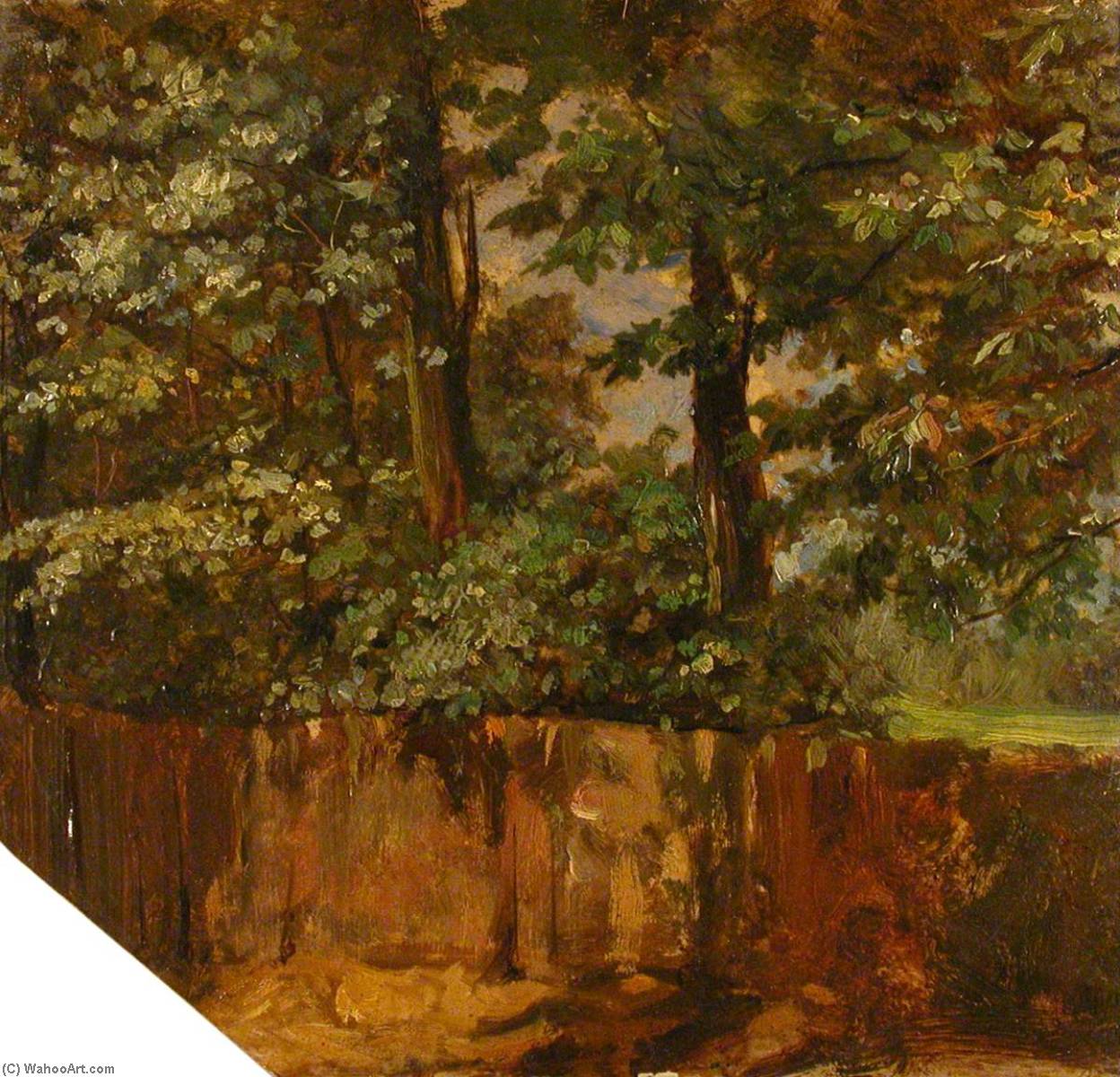
Trees

Experience the serene harmony of nature with Thomas Stuart Smith's beautiful depiction of trees and figures in a woodland setting; discover this romantic masterpiece today.

Thomas Stuart Smith fue un pintor escocés reconocido por escenas domésticas y paisajes rurales que reflejan la sensibilidad romántica de la época victoriana. Fundador del Museo Stirling Smith, sus obras destacaron por capturar la belleza cotidiana con una mirada detallada y emotiva.

Adquiera una imagen digital de alta resolución y optimizada, muy superior a la vista previa en línea.

Cada archivo es preparado meticulosamente por nuestros especialistas internos mediante el uso de herramientas avanzadas y un experto retoque manual. Nos aseguramos de que cada imagen posea una claridad excepcional, una precisión cromática impecable y un detalle minucioso.

El archivo final se entrega por correo electrónico en un plazo de 72 horas, optimizado para su uso inmediato en entornos profesionales, editoriales y de impresión. Esta es la misma calidad en la que confían los estudios de diseño, las editoriales y las galerías de primer nivel.

Imagen Digital

Descarga un archivo de alta resolución para exhibición personal, impresión y proyectos creativos.

Precio total

$9.99

Incluido en cada pedido de imagen digital

Entrega digital experta, garantizada.

Al elegir WahooArt.com, no solo está adquiriendo una imagen; está recibiendo una obra de arte digital mejorada profesionalmente, elaborada con precisión y respaldada por una garantía de satisfacción. Esto es todo lo que incluye su pedido, automáticamente:

shipping_icon
Entrega rápida por email

Recibirá su archivo de imagen digital en alta resolución por correo electrónico en un plazo de 72 horas tras realizar su pedido, listo para su uso inmediato.

canvas_icon
Archivo digital optimizado con IA

Su obra de arte se optimiza profesionalmente mediante herramientas avanzadas de IA y edición manual, garantizando el máximo detalle, claridad y precisión cromática.

insurance_icon
Reenvío gratuito de por vida

¿Has borrado o perdido tu archivo por error? No te preocupes: te lo volveremos a enviar en cualquier momento, sin coste adicional.

tax_icon
Sin cargos de importación - Siempre

Disfrute de su obra de arte al instante sin aduanas, aranceles ni gastos de envío; las descargas digitales siempre están libres de impuestos.

color_icon
Garantía de fidelidad de color

Garantizamos que su imagen digital refleje los colores originales con la mayor fidelidad posible, mediante el uso de herramientas profesionales y gestión del color.

return_icon
Garantía de satisfacción de 60 días

Si no está satisfecho con su imagen digital, la revisaremos o le reembolsaremos el 100% en un plazo de 60 días, sin preguntas.

guarantee_icon
100% Garantía de devolución de dinero

¿No está satisfecho? Obtenga un reembolso completo dentro de los 60 días posteriores a la recepción de su archivo digital, sin preguntas.

discount_icon
Descuentos por pedidos al por mayor

Compra 3 imágenes, ahorra 10% - Compra 5, ahorra 15% - Compra 10+, ahorra 20%. Ideal para proyectos creativos, galerías y agencias.

Datos clave

  • Artist: Thomas Stuart Smith
  • Dimensions: 38 x 27 cm
  • Subject or theme: Nature; Forest scene with people
  • Title: Trees

Test de arte

Solo hay una respuesta correcta para cada pregunta.

Pregunta 1:
What is the primary subject matter depicted in the painting 'Trees'?
Pregunta 2:
Which artist is credited with the painting 'Trees'?
Pregunta 3:
The presence of people in the scene suggests what aspect of the painting's theme?
Pregunta 4:
Thomas Stuart Smith's artistic style is noted for bridging which two elements?
Pregunta 5:
The overall atmosphere captured by the painting 'Trees' is described as:

Descripción del coleccionable

A Verdant Embrace: Exploring Thomas Stuart Smith's "Trees"

To gaze upon Thomas Stuart Smith’s "Trees" is to step through an unseen portal into a moment of profound natural tranquility. This painting is far more than a mere depiction of foliage; it is a carefully composed meditation on the enduring relationship between humanity and the wild, untamed beauty of nature. The scene unfolds within a lush woodland setting, where every leaf seems imbued with the deep, saturated green of life itself. Smith masterfully captures the layered depth of a forest—the immediate intimacy of foreground branches contrasts beautifully with the hazy mystery of trees receding into the background.

The Harmony of Figure and Flora

What elevates this piece beyond simple landscape painting is the subtle inclusion of human presence. Scattered within the verdant tapestry are two figures, positioned thoughtfully to guide the viewer's eye through the composition. They do not dominate the scene; rather, they inhabit it. Their quiet contemplation amidst the towering woods suggests a moment paused—a breath taken by wanderers who have found solace in nature’s embrace. This juxtaposition speaks volumes about the Romantic ideal: man finding his place, and perhaps even his soul, within the grandeur of the natural world. It invites us to consider our own moments of respite.

Technique and the Romantic Gaze

Smith's technique here reveals a painter deeply attuned to both scientific observation and emotional resonance. While the structure is rooted in detailed landscape rendering—the varied textures of bark, the overlapping planes of leaves—there is an undeniable sweep of Romantic idealism guiding the brushwork. The atmosphere itself feels palpable; one can almost hear the rustle of unseen creatures or feel the cool dampness rising from the forest floor. For those who appreciate art that balances meticulous detail with emotional scope, this work offers a perfect study in atmospheric perspective and naturalistic color harmony.

Symbolism of the Woods

Throughout art history, the woods have served as potent symbols—a place of mystery, rebirth, and introspection. In "Trees," the dense foliage acts as both a shelter and a veil, suggesting secrets held just out of sight. The journey into this painted forest mirrors an internal journey; the figures appear to be on a path toward understanding or peace. It is a visual poem about finding clarity away from the clamor of industrialized life, echoing the intellectual currents that shaped Victorian sensibilities while retaining a timeless, pastoral yearning.

Bringing the Woodland Home

For collectors and designers seeking an artwork that whispers serenity into a modern space, this reproduction offers unparalleled depth. The dimensions of 38 x 27 cm allow it to function beautifully as a focal point—whether placed above a console table or nestled within a gallery grouping. Owning "Trees" is not just acquiring art; it is curating an atmosphere of enduring calm, allowing the viewer to reconnect with that primal, restorative feeling found only deep within the heart of nature.


Biografía del artista

Thomas Stuart Smith: Bridging Romantic Idealism and Everyday Observation

Thomas Stuart Smith (1815–1869) occupies a unique position in Scottish art history—a painter who seamlessly blended the grandeur of Romantic aspiration with the meticulous observation of domestic life and rural landscapes. Born into an unconventional familial circumstance – the illegitimate nephew of Alexander Smith, whose estate encompassed Glassingall near Dunblane – Smith’s formative years instilled within him a cosmopolitan perspective, sending him to France before returning to England where he established a profound connection with his uncle, securing a lineage devoted to intellectual pursuits. This early exposure nurtured an appreciation for both artistic tradition and scientific inquiry, profoundly shaping the course of his lifelong creative endeavors. Smith's artistic journey unfolded during the Victorian era, a period marked by rapid industrial expansion alongside significant societal shifts. However, distinguishing himself from many contemporaries who prioritized monumental narratives or heroic representations, he deliberately focused on capturing the understated beauty inherent in commonplace scenes—Welsh interiors illuminated by diffused sunlight, bustling kitchens brimming with fresh produce, portraits imbued with remarkable sensitivity to psychological depth. His canvases transcended mere depiction; they functioned as explorations of human experience interwoven with a keen awareness of the natural world. This dual fascination – Romanticism’s yearning for sublime grandeur juxtaposed against realism's insistence on truthful representation—became the defining characteristic of his distinctive artistic style. A considerable influence on Smith’s artistic sensibilities stemmed from the Pre-Raphaelites, notably John Everett Millais and William Holman Hunt. Their unwavering dedication to meticulous botanical accuracy and atmospheric perspective resonated deeply with Smith’s own artistic ethos. He undertook extensive studies of landscapes and experimented with innovative techniques designed to convey mood and emotion—a skill demonstrably evident in masterpieces such as “Sun through the Mist,” where he skillfully captures the ethereal quality of Welsh light filtering through foliage. This commitment extended beyond visual fidelity; Smith sought to infuse his paintings with feeling, mirroring the Romantic preoccupation with emotional resonance. His artistic maturation was particularly shaped by the stylistic innovations of the Pre-Raphaelites. He meticulously studied landscapes and experimented with techniques that prioritized capturing atmospheric conditions and conveying emotion—a skill vividly showcased in “Sun through the Mist,” where he expertly rendered the diffused light penetrating Welsh foliage, embodying the Romantic ideal of sublime beauty. Furthermore, Smith’s artistic vision aligned closely with the Pre-Raphaelites' emphasis on detailed botanical illustration and psychological nuance, reflecting a shared desire to elevate art beyond mere visual spectacle. Smith’s legacy extends far beyond his individual artworks; he established Stirling Smith Museum and Art Gallery in 1874—a pioneering institution dedicated to fostering artistic education and cultural preservation. Recognizing that art should serve not only aesthetic pleasure but also social enlightenment, he envisioned a space where visitors could engage with masterpieces alongside scholarly research—a concept remarkably forward-thinking for its time. Today, Stirling Smith continues to champion Smith’s artistic vision and his unwavering belief in the transformative power of art, ensuring that his contribution to British art history remains accessible to future generations. His paintings stand as enduring symbols of Victorian Scotland's aesthetic sensibilities and intellectual curiosity.
Thomas Stuart Smith

Thomas Stuart Smith

1815 - 1869 , Escocia

Información clave

  • Artistic Movement Or Style: Romanticismo
  • Date Of Birth: 1815
  • Date Of Death: 1869
  • Full Name: Thomas Stuart Smith
  • Nationality: Escocés
  • Notable Artworks:
    • Sun through the Mist
    • Trabajo en la cocina
  • Place Of Birth: Escocia