Ver en contextoVer en contexto Vista previa en RAVista previa en RA Comprar pintura hecha a mano Comprar pintura hecha a manoCambiar a imagen digital Cambiar a imagen digital EnviarEnviar
DetallesDetalles Añadir a favoritos Añadir a favoritos DescargarDescargar SimilaresSimilares RadiografíaRadiografía Presentación de diapositivasPresentación de diapositivas EstadísticasEstadísticas

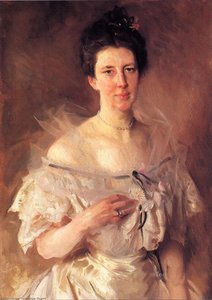
Retrato de Alice Kurtz

Explore el magistral Retrato de Alice Kurtz (1903) de Thomas Eakins, que captura la vida interior de la modelo con precisión anatómica y profundidad psicológica en los Harvard Art Museums.

Descubre a Thomas Eakins (1844-1916), pintor realista americano conocido por sus retratos impactantes y escenas dinámicas. ¡Explora su legado en WahooArt!

Giclée / Impresión de arte

Impresiones giclée o en lienzo de calidad de museo con producción rápida y opciones de acabado flexibles. (Comprar pintura hecha a mano Comprar pintura hecha a manoCambiar a imagen digital Cambiar a imagen digital)

P118B $10
P118H $10
P118W $10
P438Z $10
P508JH $12
P508YH $12
P805H $10
P805Z $10
P919BZ $10
P919G $10
P919XJ $10
P959ZH $10
P968JZ $12
W106C $8
W218G $10
W218JH $8
W218Y $10
W307PJ $10
W316G $10
W316PJ $8
W316Y $10
W398PJ $8
W4111J $10
W500HY $15
W500JH $15
W692G $12
W849H $8
W940BG $15
W953PJ $8

Estándar
a medida
CM
INCH

Elija entre nuestros tamaños predefinidos que respetan las proporciones originales de la obra.

ancho
altura

Puede introducir sus propias dimensiones para adaptarse a un marco o espacio específico. Si el tamaño seleccionado no coincide con las proporciones de la imagen original, recortaremos la obra de arte o extenderemos la imagen con un borde con efecto espejo o de color sólido. Se enviará una maqueta digital para su aprobación antes de que comience la producción.
Tenga en cuenta que la vista previa en pantalla no refleja el recorte o la extensión real. Solo la maqueta mostrará con precisión la composición final.
Aunque existen tamaños personalizados, recomendamos seleccionar una dimensión de la lista predefinida para preservar las proporciones originales.

Envío a todo el mundo () en 2 semanas en lugar de las 4/5 semanas estándar. (13 septiembre)

why_choose_icon
Envío exprés gratuito a todo el mundo
why_choose_icon
Lienzo de lino de alta calidad
why_choose_icon
Seguro de envío total
why_choose_icon
Garantía de reembolso de impuestos aduaneros
why_choose_icon
Garantía de fidelidad cromática exacta
why_choose_icon
Política de devolución de 100 días (solo por defectos)
why_choose_icon
Garantía de devolución del 100% del dinero
why_choose_icon
Descuento por cantidad

Precio total

$ 68

reproduction

Retrato de Alice Kurtz

Giclée / Impresión de arte

Dimensiones de la reproducción

-

Precio total final

$ 68

Datos clave

  • Influences: Hudson River School
  • Dimensions: 59.4 x 49.2 cm
  • Movement: Realism
  • Artist: Thomas Eakins
  • Notable elements or techniques: Anatomical precision; Detailed observation
  • Medium: Oil on canvas
  • Subject or theme: Portraiture

Test de arte

Cada pregunta tiene una única respuesta correcta.

Pregunta 1:
What artistic movement is Thomas Eakins primarily associated with?
Pregunta 2:
Where is the Portrait of Alice Kurtz currently housed?
Pregunta 3:
What was William B. Kurtz's reaction to Eakins’ depiction of his daughter?
Pregunta 4:
What medium did Thomas Eakins utilize in creating this portrait?
Pregunta 5:
The painting's composition emphasizes the subject’s gaze, suggesting what psychological element?

A Window into the Soul: The Enduring Realism of Thomas Eakins

In the quiet intimacy of Thomas Eakins’s Portrait of Alice Kurtz, we encounter more than just a painted likeness; we enter a profound dialogue between the observer and the observed. Completed in 1903, this masterpiece serves as a breathtaking testament to the American Realist movement, capturing a moment of stillness that feels both timeless and deeply anchored in its historical era. As the world around her was undergoing seismic shifts in gender roles and societal structures, Alice Kurtz sits before us, embodying a quiet strength and an introspective autonomy. Eakins, a painter who famously sought to dissect the human condition with the precision of a scientist, does not merely present a face; he presents a psyche, inviting every viewer to wonder what thoughts flicker behind those wide, searching eyes.

The technical brilliance of the work lies in Eakins’s ability to marry anatomical rigor with an ethereal atmosphere. Utilizing oil on canvas, the artist employs a masterful layering of textures that brings a tactile reality to the subject. One cannot help but admire the meticulous rendering of the musculature in Kurtz’s neck and shoulders—a hallmark of Eakins’s dedication to scientific truth. This commitment to anatomical accuracy serves a higher purpose: it grounds the ethereal beauty of the portrait in the undeniable reality of the human form. The soft, muted tones of the background wall act as a silent stage, ensuring that nothing distracts from the luminous quality of Kurtz’s skin and the crisp, clean white of her dress, which catches the light with a gentle, pearlescent glow.

Symbolism and the Emotional Resonance of Light

Beyond the technical mastery, the Portrait of Alice Kurtz is a study in emotional depth and symbolic nuance. The composition is intentionally focused, drawing the eye inward toward the subject's face, which serves as the painting's spiritual epicenter. Eakins utilizes light not just to define shape, but to evoke vulnerability and grace. The way the illumination falls across her features highlights a sense of openness, yet her gaze—directed slightly away into the distance—suggests a profound interiority. She is present with us, yet lost in a contemplative state that hints at a rich, unseen inner life. This tension between presence and absence is what gives the painting its haunting, melancholic beauty.

For the discerning collector or the interior designer, this artwork offers an unparalleled sense of sophistication and intellectual weight. It is a piece that commands attention through subtlety rather than spectacle. Whether placed in a sunlit study to inspire quiet reflection or as a focal point in a grand gallery setting to anchor a room with historical gravity, a high-quality reproduction of this work brings a touch of Philadelphia’s golden age of realism into the modern home. It is an invitation to slow down, to look closer, and to find beauty in the honest, unadorned truth of the human spirit.


Biografía del artista

Una vida dedicada a capturar la realidad

Thomas Cowperthwait Eakins, pintor realista estadounidense, fotógrafo, escultor y educador en bellas artes, dejó una huella imborrable en el lienzo de la historia del arte americano. Nacido el 25 de julio de 1844 en Filadelfia, Pensilvania, su vida fue un testimonio de su inquebrantable dedicación a capturar la esencia de la realidad.

Primeros años y educación

Los primeros años de Eakins estuvieron marcados por su agudo interés en el dibujo y las ciencias. Asistió a la escuela secundaria central y luego estudió en la Academia de Bellas Artes de Pensilvania, donde perfeccionó sus habilidades en dibujo y anatomía. Su tiempo en Europa, particularmente bajo la tutela de Jean-Léon Gérôme en París, influyó significativamente en su enfoque artístico.

Una carrera definida por el realismo

La obra de Eakins se caracteriza por su implacable realismo, una característica que lo distinguía de sus contemporáneos. Sus retratos, que suman varios cientos, ofrecen una visión conmovedora del tejido intelectual y social de finales del siglo XIX y principios del XX en Filadelfia. Obras notables incluyen Max Schmitt en una Cesta de Remo Individual, que no solo muestra la maestría de Eakins para capturar el movimiento, sino también su profundo interés en la forma humana.

Enseñanza y controversia

El período de Eakins como instructor en la Academia de Bellas Artes de Pensilvania se caracterizó tanto por la influencia como por la controversia. Su enfoque docente, que enfatizaba la importancia de estudiar la forma humana desde la vida, a menudo provocaba fricciones con sus colegas. Esto, junto con escándalos personales, truncó su éxito y dañó su reputación durante su vida.

Legado

A pesar de los desafíos que enfrentó, Eakins es ahora celebrado como "el realista más fuerte y profundo en el arte estadounidense del siglo XIX y principios del XX". Su obra se puede encontrar en varios museos, incluido el Museo Metropolitano de Arte, que alberga varias de sus obras notables. Conclusión El compromiso inquebrantable de Thomas Eakins con el realismo ha dejado un legado perdurable en el arte estadounidense. Su enfoque implacable para capturar la forma humana, tanto en movimiento como en reposo, continúa inspirando a artistas y entusiastas del arte por igual. A través de su obra, vislumbramos no solo la esencia de sus sujetos, sino también el propio tejido de la América temprana del siglo XX.

Thomas Eakins

Thomas Eakins

1844 - 1916 , Estados Unidos de América

Datos clave

  • Artistas Que Influyeron: ['Jean-Léon Gérôme']
  • Fecha De Fallecimiento: 25 de junio de 1916
  • Fecha De Nacimiento: 25 de julio de 1844
  • Lugar De Nacimiento: Filadelfia, Estados Unidos
  • Movimiento Artístico: Realismo estadounidense
  • Nacionalidad: Estadounidense
  • Nombre Completo: Thomas Cowperthwait Eakins
  • Obras Notables:
    • La Clínica Gross
    • Max Schmitt en una cesta individual
    • El Agnew Clinic
Explore obras de arte organizadas por temas, estilos y características.