Asesoría de arte gratuita

x
Encargar reproducción Encargar reproducciónComprar imagen en alta resolución Comprar imagen en alta resolución EnviarEnviar
DetallesDetalles Añadir a favoritos Añadir a favoritos DescargarDescargar SimilaresSimilares RadiografíaRadiografía Presentación de diapositivasPresentación de diapositivas

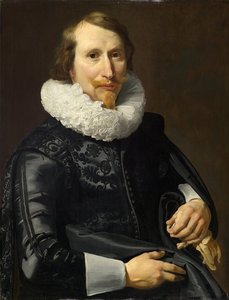
A Lady

Admire "A Lady" by Thomas de Keyser (1632), a stunning Dutch Golden Age portrait showcasing elegance, rich detail & masterful chiaroscuro. Explore the painting's history and artistry.

Descubre a Thomas de Keyser: pintor holandés dorado conocido por retratos realistas y arquitectónico legado. Explora su estilo inspirado en Rembrandt en museos internacionales.

Giclée / Impresión de arte

Impresión giclée o en lienzo de calidad de museo con producción rápida y opciones de acabado flexibles.

P118B $10
P118H $10
P118W $10
P438Z $10
P508JH $12
P508YH $12
P805H $10
P805Z $10
P919BZ $10
P919G $10
P919XJ $10
P959ZH $10
P968JZ $12
W106C $8
W218G $10
W218JH $8
W218Y $10
W307PJ $10
W316G $10
W316PJ $8
W316Y $10
W398PJ $8
W4111J $10
W500HY $15
W500JH $15
W692G $12
W849H $8
W940BG $15
W953PJ $8

Standard
custom
CM
INCH

Elija entre nuestros tamaños predefinidos que respetan las proporciones originales de la obra.

ancho
altura

Puede introducir sus propias dimensiones para adaptarse a un marco o espacio específico. Si el tamaño seleccionado no coincide con las proporciones de la imagen original, recortaremos la obra de arte o extenderemos la imagen con un borde con efecto espejo o de color sólido. Se enviará una maqueta digital para su aprobación antes de que comience la producción.
Tenga en cuenta que la vista previa en pantalla no refleja el recorte o la extensión real. Solo la maqueta mostrará con precisión la composición final.
Aunque existen tamaños personalizados, recomendamos seleccionar una dimensión de la lista predefinida para preservar las proporciones originales.

Entrega mundial () en 2 semanas en lugar de las 4/5 semanas estándar. (7 julio)

why_choose_icon
Envío exprés gratuito a todo el mundo
why_choose_icon
Lienzo de lino de alta calidad
why_choose_icon
Seguro de envío total
why_choose_icon
Garantía de reembolso de impuestos aduaneros
why_choose_icon
Garantía de fidelidad de color
why_choose_icon
Política de devolución de 60 días (solo por defectos)
why_choose_icon
Garantía de devolución del 100% del dinero
why_choose_icon
Descuento por pedido múltiple

Precio total

-

reproduction

A Lady

Giclée / Impresión de arte

Tamaño de la reproducción

-

Precio total final

-

Datos clave

  • Artist: Thomas de Keyser
  • Location: Staatliche Museen Berlin
  • Influences: Rembrandt
  • Movement: Dutch Golden Age
  • Dimensions: 79 x 52 cm
  • Title: A Lady
  • Year: 1632

Test de arte

Solo hay una respuesta correcta para cada pregunta.

Pregunta 1:
What is the primary artistic style associated with Thomas de Keyser’s ‘A Lady’?
Pregunta 2:
In the painting 'A Lady', what technique is prominently used to create depth and dimension?
Pregunta 3:
What year was ‘A Lady’ painted, as indicated in the provided information?
Pregunta 4:
The background of ‘A Lady’ features a dark room. What does this element primarily contribute to the overall atmosphere?
Pregunta 5:
Where is ‘A Lady’ currently housed?

Descripción de la obra

A Portrait of Grace: Unveiling Thomas de Keyser’s “A Lady”

The year is 1632. Amsterdam thrives as the epicenter of the Dutch Golden Age, a period brimming with artistic innovation and opulent patronage. Within this vibrant scene emerges Thomas de Keyser, a painter whose skill lay not merely in capturing likeness but in distilling the very essence of his subjects – a talent brilliantly showcased in his captivating portrait, “A Lady.” This oil-on-oak panel painting, currently residing within the esteemed Staatliche Museen in Berlin, is more than just a depiction; it’s an invitation into a world of refined elegance and subtle psychological depth.

De Keyser's style, heavily influenced by both the meticulous detail of Flemish masters like Anthony van Dyck and the dramatic lighting favored by Rembrandt, results in a remarkably lifelike portrayal. The lady before us is presented with a poise that speaks volumes – her posture relaxed yet undeniably regal, her gaze direct and engaging. Notice how De Keyser masterfully employs chiaroscuro, the masterful use of light and shadow, to sculpt the figure, drawing attention to her face and hands while subtly enveloping the background in a veil of mystery. The dark interior, punctuated by the warm glow emanating from an unseen window, creates a sense of intimacy and draws the viewer into the scene.

Deconstructing the Details: Fashion, Symbolism, and Technique

A closer examination reveals a wealth of detail that speaks volumes about the era. The lady’s attire is a testament to the fashion of 17th-century Holland – a black bodice adorned with intricate gold trim and delicate lace, suggesting both wealth and status. The elaborate headwear, a white ruff collar framing a dark hat embellished with what appear to be feathers or decorative elements, further emphasizes her position within society. These aren’t merely decorative choices; they are carefully selected symbols of power, refinement, and social standing.

The background, far from being mere decoration, plays an integral role in the painting's narrative. The dark room, with its wooden floor featuring a subtle checkered pattern, evokes a sense of luxury and opulence – a space designed for contemplation and quiet enjoyment. The glimpse of a red velvet drape hints at hidden treasures and adds a touch of dramatic flair. De Keyser’s brushwork is remarkably precise, particularly evident in the rendering of the lace and the folds of the fabric. He utilizes layering techniques to create texture and depth, ensuring that every element contributes to the overall sense of realism.

A Window into the Dutch Golden Age

Understanding “A Lady” requires a glimpse into the context of its creation. Thomas de Keyser was a prominent figure in the Dutch art world during this period, renowned for his portraits and genre scenes commissioned by wealthy merchants and nobility. His work reflects the prosperity and cultural flourishing of the Netherlands – a nation at the forefront of artistic innovation and trade. The painting offers a fascinating window into the lives of the elite, revealing their values, aspirations, and aesthetic sensibilities.

Furthermore, De Keyser’s connection to Hendrick de Keyser, his father—a celebrated architect and sculptor who shaped Amsterdam's skyline—provides an intriguing layer of familial legacy. This lineage undoubtedly influenced Thomas’s artistic development, imbuing his work with a sense of technical mastery and architectural awareness. The painting stands as a testament not only to De Keyser’s individual talent but also to the enduring influence of his family’s artistic heritage.

Collecting the Essence: Reproduction and Legacy

Today, “A Lady” continues to captivate viewers with its timeless beauty and psychological depth. WahooArt offers meticulously crafted hand-painted reproductions that faithfully capture the essence of De Keyser's masterpiece. These reproductions are not mere copies; they are artistic interpretations imbued with the same attention to detail, technique, and emotional resonance as the original. Whether adorning a grand salon or a more intimate space, a reproduction of “A Lady” brings a touch of Dutch Golden Age elegance and sophistication to any setting.

For those seeking further information on Thomas de Keyser and his remarkable oeuvre, we encourage you to explore resources such as WahooArt.com and the Staatliche Museen in Berlin’s website. And for a deeper dive into the life and works of this pivotal artist, Wikipedia offers a comprehensive overview of his biography and artistic contributions.


Biografía del artista

Thomas de Keyser: The Rembrandt Shadow

Thomas de Keyser (1596 – 1667) stands as a pivotal figure in the Dutch Golden Age, celebrated primarily for his masterful portraiture and architectural contributions—a duality that reflects the multifaceted brilliance of his artistic vision. Born in Amsterdam to Hendrick de Keyser, a renowned architect and sculptor who shaped the city’s skyline, Thomas inherited a legacy of artistic excellence and technical skill—a connection that profoundly influenced his own oeuvre. Biographical details remain elusive, yet scholarly research suggests he benefited from instruction under Cornelis van der Voort, swiftly establishing himself as a prodigious talent mirroring the stylistic innovations championed by Rembrandt van Rijn—a partnership that cemented Rembrandt’s reputation as a master of capturing psychological depth and dramatic lighting.

Early Life and Artistic Training

Information regarding Thomas de Keyser’s formative years is fragmentary. However, his familial ties to Hendrick de Keyser—a man instrumental in designing iconic structures like Zuiderkerk and Delft Town Hall—provided him with an unparalleled environment for artistic development. The family resided within the municipal stone yard along the Amstel River, fostering a connection to craftsmanship and architectural design that would permeate his later work. His training under Cornelis van der Voort ensured exposure to humanist ideals and compositional techniques prevalent during the period, laying the groundwork for his distinctive artistic style—a foundation built upon observation, meticulous detail, and an unwavering commitment to realism.

A Rembrandtian Influence

De Keyser’s artistic trajectory was undeniably guided by Rembrandt's groundbreaking approach to portraiture—a collaboration that elevated Rembrandt’s stature as a luminary of the era. Like Rembrandt, De Keyser prioritized capturing not merely likeness but also inner character—translating emotion and psychological nuance into visual form with remarkable precision. This stylistic convergence is palpable throughout his portraits, where subtle shifts in expression and gesture convey profound insight into the sitter's personality. Scholars contend that Rembrandt himself was influenced by De Keyser’s pioneering use of chiaroscuro—the dramatic interplay between light and shadow—a technique that transcends mere illumination to evoke powerful emotional responses within the viewer. This masterful manipulation of tonal values distinguishes De Keyser’s work from many contemporaries, solidifying his position as a true innovator.

Notable Works: Capturing Dignity and Emotion

De Keyser produced a substantial body of work, primarily focused on portraiture, which solidified his place among the foremost artists of his era. Among his most celebrated achievements is “Frederick van Velthuysen and His Wife,” now housed at the National Gallery of Victoria in Melbourne—a stunning depiction of familial affection rendered with exquisite detail and compositional balance. The painting exemplifies De Keyser’s meticulous attention to texture, color palette, and spatial arrangement—elements that contribute to its enduring beauty and emotional resonance. Similarly impressive is “The Four Amsterdam Burgomasters Assembled to Receive Marie de Medici,” displayed prominently at the Mauritshuis Museum in The Hague—a monumental portrait showcasing De Keyser’s ability to convey authority and grace within a formal setting. Furthermore, his paintings adorn museums across Europe, including the Rijksmuseum in Amsterdam and the Louvre in Paris—testaments to their enduring artistic merit and historical significance.

Legacy: A Master of Dutch Portraiture

Thomas de Keyser's legacy extends beyond individual artworks; he fundamentally reshaped the conventions of portrait painting during the Dutch Golden Age. His unwavering dedication to realism, combined with Rembrandt’s influence on lighting and psychological portrayal—a confluence that established a new standard for artistic excellence—secured his place among the revered Masters of the Golden Age. He remains recognized as one of the most accomplished portraitists of his time, embodying the humanist spirit and technical prowess characteristic of the era's finest painters. His contribution to Dutch art history is undeniable, securing his place amongst those whose work continues to inspire admiration and scholarly study centuries later.
Thomas de Keyser

Thomas de Keyser

1596 - 1667 , Países Bajos

Datos clave

  • Artistic Movement Or Style: Dutch Golden Age
  • Artists Who Influenced This Artist: ['Rembrandt van Rijn']
  • Date Of Birth: Amsterdam, Netherlands (1596)
  • Date Of Death: 1667
  • Full Name: Thomas de Keyser
  • Nationality: Dutch
  • Notable Artworks: ['Frederick van Velthuysen and his wife']
  • Place Of Birth: Amsterdam
Explore obras de arte organizadas por temas, estilos y características.