Vista previa Vista previa en RA Cambiar a formato impreso Ver versión en imagen digital Compartir
Ver detalles Guía Añadir a favoritos Descargar Ver artículos similares Radiografía Presentación de diapositivas Estadísticas

Untitled

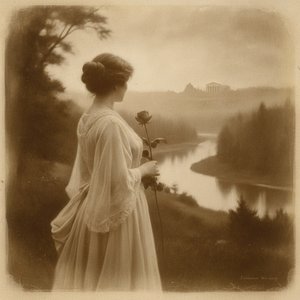
A captivating black and white portrait by Seydou Keïta, circa 1958. This image showcases West African culture through a dignified woman's pose against a patterned backdrop – a timeless piece of photographic art.

Seydou Keïta (1921-2001): Fotógrafo maliense famoso por elegantes retratos de estudio de la sociedad de Bamako en los años 50. Capturando el estilo y la identidad poscoloniales, su obra es arte africano icónico.

Reproducción al óleo hecha a mano

Óleo sobre lienzo pintado a mano en el tamaño y marco de su elección, realizado por encargo por nuestros artistas. ( Cambiar a formato impreso Ver versión en imagen digital)

P118B $10
P118H $10
P118W $10
P438Z $10
P508JH $12
P508YH $12
P805H $10
P805Z $10
P919BZ $10
P919G $10
P919XJ $10
P959ZH $10
P968JZ $12
W106C $8
W218G $10
W218JH $8
W218Y $10
W307PJ $10
W316G $10
W316PJ $8
W316Y $10
W398PJ $8
W4111J $10
W500HY $15
W500JH $15
W692G $12
W849H $8
W940BG $15
W953PJ $8

Estándar
personalizado
CM
INCH

Elija entre nuestros tamaños predefinidos que respetan las proporciones originales de la obra.

ancho
altura

Puede ingresar sus propias dimensiones para adaptarse a un marco o espacio específico. Si el tamaño seleccionado no coincide con las proporciones de la imagen original, recortaremos la obra o extenderemos la pintura con elementos adicionales pintados a mano. Se le enviará una maqueta digital para su aprobación antes de comenzar la producción.
Tenga en cuenta que la vista previa en pantalla no refleja el recorte o la extensión reales. Solo la maqueta mostrará con precisión la composición final.
Si bien existen tamaños personalizados, recomendamos seleccionar una dimensión de la lista predefinida para preservar las proporciones originales.

Ejemplos de lo que se puede personalizar: Reemplace el rostro con una foto del cliente; Agregue una mascota (por ejemplo, cambie un gato por un perro); Incluya un mensaje oculto en el fondo; Cambie el paisaje o los elementos del fondo.
Tras realizar el pedido, el equipo de WahooArt.com enviará un correo electrónico al cliente para solicitar instrucciones y proporcionarle una vista previa del boceto.

Envío a todo el mundo () en 3-4 semanas en lugar de las 5 semanas estándar. (27 septiembre). Sin comprometer la calidad.

why_choose_icon
Envío exprés gratuito a todo el mundo
why_choose_icon
Lienzo de lino de alta calidad
why_choose_icon
Seguro de envío completo
why_choose_icon
Garantía de reembolso de impuestos aduaneros
why_choose_icon
Garantía de fidelidad cromática exacta
why_choose_icon
Política de devolución de 100 días (solo por defectos)
why_choose_icon
Garantía de devolución del 100% del dinero
why_choose_icon
Oferta por volumen

Precio total

$ 272

reproduction

Untitled

Técnica de reproducción

Tamaño de la reproducción

-

Precio total

$ 272

Datos clave

  • Medium: Silver gelatin print
  • Title: Untitled
  • Influences: African culture
  • Artistic style: Studio photography
  • Artist: Seydou Keïta
  • Location: Private collection
  • Movement: Postcolonial portraiture

Cuestionario de arte

Cada pregunta tiene una única respuesta correcta.

Pregunta 1:
What is the primary subject of Seydou Keïta’s ‘Untitled’ photograph?
Pregunta 2:
The photograph utilizes which dominant visual element to create its aesthetic?
Pregunta 3:
Considering Seydou Keïta’s background as a carpenter, what does this suggest about his approach to photography?
Pregunta 4:
What historical period does Seydou Keïta’s work primarily document?
Pregunta 5:
The photograph’s composition emphasizes the subject’s posture. What does this suggest about her character?

A Window into a Changing Mali: Seydou Keïta’s ‘Untitled’

Seydou Keïta's “Untitled,” created around 1958, isn’t merely a portrait; it’s a carefully constructed window into the heart of postcolonial Bamako. This arresting black and white photograph, now housed within the collections of major museums worldwide, captures a woman – likely a member of the local community – seated with an air of dignified composure against a backdrop that speaks volumes about both tradition and burgeoning modernity. Keïta’s work, particularly during this period, served as a crucial visual record of a nation grappling with its identity after decades of French colonial rule, and “Untitled” exemplifies this profound shift with remarkable subtlety.

The photograph's composition is deceptively simple yet profoundly effective. The woman dominates the frame, her posture radiating quiet strength and grace. Her hands rest gently on her lap, a gesture that invites intimacy while simultaneously maintaining an aura of reserve. The background, a repeating pattern of geometric checks – likely inspired by traditional textiles – provides a vibrant counterpoint to the subject’s stillness. These patterns aren't merely decorative; they hint at the rich cultural heritage of Mali, interwoven with the influences of European design and trade. The careful balance between these elements creates a visual dialogue that speaks to the complexities of a nation navigating its own future.

Crafting Memory: Technique and Process

Keïta’s photographic process was deeply rooted in his dual life as both a carpenter and an artist. He initially used a Kodak Brownie camera, a remarkably accessible tool that allowed him to document the lives of his neighbors and friends. This early experimentation honed his eye for composition and lighting – crucial elements evident in “Untitled.” The image is a silver gelatin print, a traditional photographic process known for its archival stability and nuanced tonal range. Keïta’s deliberate use of diffused light minimizes harsh shadows, allowing the textures of the woman's clothing—a flowing robe adorned with intricate detailing—and the background pattern to emerge with remarkable clarity. The slight graininess inherent in silver gelatin prints adds a layer of tactile quality, grounding the image and connecting it to the physical act of photography.

Symbolism Woven into the Frame

Beyond its formal elements, “Untitled” is rich in symbolic meaning. The woman’s attire—a traditional West African garment—immediately establishes her connection to a specific cultural identity. The patterned background, with its geometric motifs, can be interpreted as representing social status, familial lineage, or perhaps even the broader landscape of Mali itself. Some scholars suggest that the checks mirror the patterns found in imported fabrics, subtly referencing the ongoing exchange between traditional crafts and global commerce. The woman’s gaze, though not overtly expressive, holds a quiet dignity—a testament to her resilience and pride within a rapidly changing world.

A Legacy of Portraiture

Seydou Keïta's work transcends simple portraiture; it is a vital historical document and a profound artistic statement. His ability to capture the essence of his subjects – their dignity, their humanity, and their connection to place – cemented his legacy as one of Africa’s most important photographers. “Untitled” stands as a powerful example of this talent, offering viewers a glimpse into a pivotal moment in Malian history and reminding us of the enduring power of photography to document, preserve, and celebrate human experience. Reproductions of this iconic image continue to resonate today, serving as both a reminder of Keïta’s genius and an invitation to contemplate the complexities of identity, culture, and memory.


Biografía del artista

Seydou Keïta: Un Retrato de Mali Postcolonial

Primeros Años y Orígenes

  • Nacido en Bamako, Malí alrededor de 1921 (la fecha exacta permanece incierta), Seydou Keïta emergió como una figura fundamental en la fotografía africana.
  • Su padre y tío eran carpinteros habilidosos, influyendo inicialmente en su propia artesanía temprana.
  • Un punto de inflexión llegó en 1935 cuando recibió una cámara Kodak Brownie de su tío después de un viaje a Senegal, encendiendo una pasión que perduraría toda la vida.
  • Equilibró la carpintería con la fotografía, capturando inicialmente a familiares y amigos antes de ampliar su clientela.

Estableciendo un Estudio y Desarrollo Artístico

  • Keïta perfeccionó sus habilidades bajo la guía de Pierre Garnier, propietario de una tienda de suministros fotográficos francesa, y Mountaga Traoré, un mentor en el campo.
  • En 1948, estableció su primer estudio fotográfico en Bamako-Koura, convirtiéndose en un centro central para los retratos.
  • Su estilo se hizo rápidamente reconocible a través del uso innovador de accesorios y fondos, creando composiciones impactantes.
  • Los retratos de Keïta no eran simplemente grabaciones; eran representaciones cuidadosamente construidas del estatus, la modernidad y la identidad dentro de un Mali en cambio.

Temas y Estilo

  • Central para su obra es la documentación de la sociedad de Bamako durante los años 50 – un período de importantes cambios sociales y políticos.
  • Sus sujetos, a menudo vestidos con sus mejores atuendos, encarnan un sentido de orgullo y aspiración.
  • Él capturó hábilmente tanto las personalidades individuales como los valores culturales colectivos.
  • El uso de fondos estampados y accesorios cuidadosamente seleccionados añadió capas de significado a sus retratos, reflejando las aspiraciones y gustos de sus modelos.

Carrera Tardía y Servicio Gubernamental

  • En 1962, Keïta transitó al servicio gubernamental, convirtiéndose en el fotógrafo oficial del jefe de policía de Malí y el director de Seguridad Nacional.
  • Este papel llevó al cierre de su estudio en 1963, marcando un cambio en su enfoque fotográfico.
  • A pesar de jubilarse de la fotografía en 1977, Keïta siguió siendo una figura respetada dentro de Malí.

Reconocimiento y Legado

  • Reconocimiento internacional llegó en 1991 cuando su obra se expuso anónimamente en el Centro de Arte Africano en Nueva York City.
  • El curador de arte André Magnin jugó un papel crucial para identificar a Keïta y llevar su extenso archivo de negativos a una mayor atención.
  • Retrospectivas importantes, incluida una en el Grand Palais en París (2016), han consolidado su lugar como una figura destacada en la fotografía del siglo XX.
  • El legado de Keïta reside en su capacidad para capturar no solo similitudes sino también el espíritu de una nación que experimenta un cambio profundo, ofreciendo valiosos conocimientos sobre la vida y el estilo postcolonial africanos. Su obra continúa inspirando a fotógrafos y entusiastas del arte en todo el mundo.
seydou keïta

seydou keïta

1921 - 2001 , Mali

Datos clave

  • Artistic Movement Or Style: Portraiture, Estudio Fotográfico
  • Artists Who Influenced This Artist:
    • Pierre Garnier
    • Mountaga Traoré
  • Date Of Birth: c. 1921
  • Date Of Death: 2001
  • Full Name: Seydou Keïta
  • Nationality: Malian
  • Notable Artworks:
    • Sin título
    • Untitled (dos mujeres)
  • Place Of Birth: Bamako, Mali
Explore obras de arte organizadas por temas, estilos y características.