Vista previa Vista previa en RA Encargar reproducción pintada a mano Ver versión en imagen digital Compartir
Ver detalles Guía Añadir a favoritos Descargar Ver artículos similares Radiografía Presentación de diapositivas Estadísticas

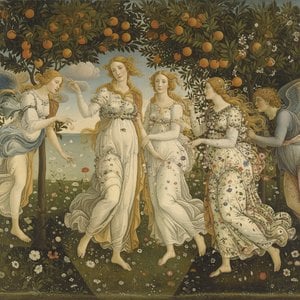
Annunciation (San Marco Altarpiece)

The Annunciation, predella panel from the Altarpiece of St Mark

Explore la cautivadora obra de arte de Sandro Botticelli (1445-1510), un maestro de la pintura del Renacimiento Temprano. Conocido por su elegante linealidad, obras icónicas como 'El Nacimiento de Venus' & 'La Primavera', y por conectar los estilos gótico y renacentista. ¡Descubre su legado!

Giclée / Impresión de arte

Impresiones giclée o en lienzo de calidad de museo con producción rápida y opciones de acabado flexibles. ( Encargar reproducción pintada a mano Ver versión en imagen digital)

P118B $10
P118H $10
P118W $10
P438Z $10
P508JH $12
P508YH $12
P805H $10
P805Z $10
P919BZ $10
P919G $10
P919XJ $10
P959ZH $10
P968JZ $12
W106C $8
W218G $10
W218JH $8
W218Y $10
W307PJ $10
W316G $10
W316PJ $8
W316Y $10
W398PJ $8
W4111J $10
W500HY $15
W500JH $15
W692G $12
W849H $8
W940BG $15
W953PJ $8

Estándar
personalizado
CM
INCH

Elija entre nuestros tamaños predefinidos que respetan las proporciones originales de la obra.

ancho
altura

Puede introducir sus propias dimensiones para adaptarse a un marco o espacio específico. Si el tamaño seleccionado no coincide con las proporciones de la imagen original, recortaremos la obra de arte o extenderemos la imagen con un borde con efecto espejo o de color sólido. Se enviará una maqueta digital para su aprobación antes de que comience la producción.
Tenga en cuenta que la vista previa en pantalla no refleja el recorte o la extensión real. Solo la maqueta mostrará con precisión la composición final.
Aunque existen tamaños personalizados, recomendamos seleccionar una dimensión de la lista predefinida para preservar las proporciones originales.

Envío a todo el mundo () en 2 semanas en lugar de las 4/5 semanas estándar. (23 septiembre)

why_choose_icon
Envío exprés gratuito a todo el mundo
why_choose_icon
Lienzo de lino de alta calidad
why_choose_icon
Seguro de envío completo
why_choose_icon
Garantía de reembolso de impuestos aduaneros
why_choose_icon
Garantía de fidelidad cromática exacta
why_choose_icon
Política de devolución de 100 días (solo por defectos)
why_choose_icon
Garantía de devolución del 100% del dinero
why_choose_icon
Oferta por volumen

Precio total

$ 68

reproduction

Annunciation (San Marco Altarpiece)

Giclée / Impresión de arte

Tamaño de la reproducción

-

Precio total

$ 68

Datos clave

  • Year: 1490-92
  • Artistic style: Elegant and lyrical; characterized by flowing lines and idealized forms.
  • Title: Annunciation
  • Dimensions: 73 × 56 cm
  • Movement: Early Renaissance
  • Location: San Marco Museum, Venice
  • Medium: Tempera on wood panel

Cuestionario de arte

Cada pregunta tiene una única respuesta correcta.

Pregunta 1:
What is the primary subject matter depicted in Sandro Botticelli’s ‘Annunciation’?
Pregunta 2:
The image description highlights several figures in the background. What is one notable characteristic about these additional figures?
Pregunta 3:
Botticelli’s style is characterized by a distinctive aesthetic that emphasizes grace and elegance. Which artistic movement does this style align with?
Pregunta 4:
The altarpiece was commissioned for the chapel of which guild in Florence?
Pregunta 5:
What is a key technique Botticelli employed in the creation of ‘Annunciation’?

A Celestial Dialogue: The Grace of Botticelli’s San Marco Altarpiece

In the heart of the Florentine Renaissance, where humanist intellect met profound spiritual fervor, Sandro Botticelli crafted a masterpiece that transcends the boundaries of mere religious iconography. The Annunciation (San Marco Altarpiece), completed between 1490 and 1492, is not simply a depiction of a biblical event; it is a choreographed dance of divine grace. Commissioned for the chapel of the Guild of Goldsmiths in Venice’s Basilica di San Marco, this monumental panel captures the precise moment when the celestial meets the earthly. As one gazes upon the two angels engaged in an earnest exchange of reverence, there is an immediate sense of being pulled into a sacred conversation, a quiet yet powerful vibration of holiness that has captivated viewers for centuries.

The composition is a masterclass in Renaissance harmony and hierarchical elegance. Botticelli meticulously arranges his figures to guide the eye through a narrative of divine instruction. At the center, the two angels kneel in a state of profound devotion, their postures reflecting the weight of the message being delivered. The angel on the right, positioned with a subtle sense of superiority, gestures toward Mary, embodying the flow of God’s will into the human realm. This central intimacy is beautifully balanced by the presence of St. Augustine, St. Jerome, and St. Eligius—saints who represent the patrons of the guild. Their inclusion transforms the painting from a singular moment in time into a timeless sanctuary of faith, anchoring the ethereal scene within the social and religious fabric of Florentine society.

Technique and the Ethereal Glow

To behold this work is to experience Botticelli’s signature mastery of line and light. The artist employs a technique characterized by soft, pastel hues—delicate blues, gentle reds, and warm yellows—that imbue the entire panel with an ethereal luminescence. These colors are applied with such precision that they create a velvety surface texture, making the divine figures appear as if they are radiating light from within. His lines are famously fluid and graceful, possessing a rhythmic quality that conveys movement and dynamism without ever sacrificing the serenity of the subject matter. This delicate balance between motion and stillness is what gives the altarpiece its unique emotional resonance.

For the discerning collector or interior designer, this piece offers more than just historical significance; it provides a profound aesthetic anchor. The painting’s ability to evoke peace and contemplation makes it an extraordinary choice for spaces designed for reflection, such as a private library, a formal study, or a sophisticated living area. A high-quality reproduction of this work allows the soft, luminous palette and the intricate, graceful details of Botticelli's hand to breathe life into a room, offering a window into the golden age of Florence. It is an investment in beauty that speaks of timelessness, elegance, and the enduring power of the human spirit.


Biografía del artista

vida temprana y formación

Sandro Botticelli, nacido Alessandro di Mariano di Vanni Filipepi alrededor de 1445, fue una figura clave en el Renacimiento temprano de la pintura italiana. Inicialmente eclipsado post mortem, la obra de Botticelli fue revitalizada a finales del siglo XIX por los pre-rafaelitas, lo que llevó a una reevaluación de sus contribuciones artísticas. Botticelli nació en Florencia, Italia, y vivió toda su vida en el mismo barrio. Su familia, incluyendo a su padre Mariano di Vanni d'Amadeo Filipepi, estuvo involucrada en diversas profesiones, lo que les permitió entrar en contacto con artistas. Giorgio Vasari informó que Botticelli fue inicialmente entrenado como joyero.

Estilo artístico y obras notables

La obra de Botticelli se caracteriza por una elegante linealidad, que conecta el gótico tardío italiano con el Renacimiento temprano. Sus obras más famosas, El nacimiento de Venus y Primavera, se exhiben en la Galería Uffizi en Florencia, que alberga una importante colección de su arte. * El nacimiento de Venus (ver en WahooArt) * Primavera (explorar el arte de Sandro Botticelli en WahooArt) * La natividad mística (Galería Nacional, Londres), fechada en 1501, es la única obra de Botticelli con una fecha clara.

Legado e influencia

El estilo de Botticelli evolucionó hacia un enfoque más personal en la década de 1490, divergente de sus contemporáneos como Leonardo da Vinci y el estilo del Alto Renacimiento emergente. Su obra ha sido reconocida como una contribución significativa al movimiento artístico del Renacimiento italiano. * El movimiento artístico del Renacimiento italiano * Sandro Botticelli en Wikipedia
  • Artistas notables del Renacimiento italiano incluyen a Sandro Botticelli, Leonardo da Vinci, Miguel Ángel y Tiziano.
  • La Galería Uffizi de Florencia alberga una importante colección de arte de Botticelli.
  • La obra de Botticelli ha sido reconocida como una figura clave en el Renacimiento temprano de la pintura italiana.
Fechas clave: * 1445: Sandro Botticelli nació en Florencia, Italia. * 1474: Pasó tiempo en Pisa. * 1481-1482: Trabajó en la Capilla Sixtina en Roma. * 1501: La natividad mística (Galería Nacional, Londres) fue fechada.
Sandro Botticelli

Sandro Botticelli

1445 - 1510 , Italia

Datos clave

  • Artistas Que Influyeron:
    • Fra Angelico
    • Paolo Uccello
  • Estilo Artístico: Renacimiento Temprano
  • Fecha De Muerte: 1510
  • Fecha De Nacimiento: c. 1445
  • Influenciado A Artistas: ['Pre-Rafaelitas']
  • Lugar De Nacimiento: Florencia, Italia
  • Nacionalidad: Italiana
  • Nombre Completo: Sandro Botticelli
  • Obras Notables:
    • El Nacimiento de Venus
    • Primavera
    • Natividad Mística
Explore obras de arte organizadas por temas, estilos y características.