

La obra de arte que se muestra en esta página está protegida por las leyes de propiedad intelectual, lo que significa que no podemos crear ni vender legalmente una reproducción idéntica. Esta protección se hace cumplir en virtud de acuerdos internacionales como el Convenio de Berna y por las leyes nacionales, incluidas aquellas establecidas por el Ley de derechos de autor de los EE. UU. - Título 17.
Este método cumple plenamente con las normativas de derechos de autor, ya que no implica la copia ni la duplicación de la obra protegida. En su lugar, se trata de una reinterpretación creativa: una nueva pintura influenciada por la original, pero que no es idéntica a ella.
Impresiones giclée o en lienzo de calidad de museo con producción rápida y opciones de acabado flexibles. ( Comprar pintura hecha a mano Cambiar a imagen digital)





























Elija entre nuestros tamaños predefinidos que respetan las proporciones originales de la obra.

Introduzca el ancho y el alto que necesite para adaptarse a su marco o pared. Una impresión solo puede recortarse, nunca hacerse más grande que la imagen original, por lo que un tamaño con una forma distinta perderá parte de la obra. Le enviaremos una maqueta digital para su aprobación antes de realizar cualquier impresión. La imagen que se muestra en esta página no refleja el recorte real; solo la maqueta lo hace.
Envío a todo el mundo () en 2 semanas en lugar de las 4/5 semanas estándar. (8 noviembre)
Sandal
Dimensiones de la reproducción
Salvatore Ferragamo’s “Sandal,” painted in 1943, isn't merely a depiction of footwear; it’s an immersion into a world where the familiar dissolves into a captivating dream. This striking artwork, rendered with a masterful blend of Surrealism and Art Deco influences, captures a pair of women’s sandals floating weightlessly against a stark white backdrop – an immediate invitation to contemplate the boundaries between reality and imagination.
The painting immediately draws the eye with its bold color palette: deep purples, fiery reds, and shimmering golds coalesce to create a luxurious yet slightly unsettling atmosphere. These rich hues are juxtaposed against the cool neutrality of the background, amplifying the sense of isolation and emphasizing the sandals as the sole focus of attention. The deliberate use of muted tones contributes to the overall surreal quality, lending an air of timelessness and mystery.
Ferragamo’s technique is characterized by a remarkable precision in line work. Geometric patterns – squares, rectangles, and trapezoids – dominate the sandal bodies, creating a stylized, almost architectural effect. These shapes are not merely decorative; they suggest an underlying structure, hinting at the craftsmanship involved in their creation. The artist skillfully renders textures, capturing the supple feel of leather, the glint of metal accents (likely gold), and the implied softness of what might be crystal or glass embellishments. The careful delineation of these elements elevates the painting beyond a simple representation, transforming it into a tactile experience for the viewer.
Notably, the sandals themselves are constructed with a deliberate geometric rigor. The heels are sharply defined rectangles, while the sandal sides boast clean, angular forms. This controlled approach contrasts subtly with the dreamlike setting, grounding the image in a tangible reality even as it leans into abstraction.
The painting’s creation coincides with Ferragamo's burgeoning career in Hollywood, where he was renowned for his innovative designs that graced the feet of stars like Joan Crawford and Judy Garland. This period marked a shift towards more sculptural and theatrical footwear, moving beyond purely functional forms. “Sandal” embodies this spirit perfectly – it’s not just a shoe; it’s a statement piece, radiating an aura of luxury and sophistication.
Furthermore, the artwork reflects Ferragamo's unique approach to design, blending traditional Italian shoemaking techniques with modern experimentation. The incorporation of geometric patterns, reminiscent of Art Deco aesthetics, demonstrates his willingness to push boundaries and embrace new influences. The painting’s composition also subtly references Surrealist principles, echoing the works of artists like Salvador Dalí – a deliberate nod to the movement's exploration of subconscious imagery and dreamlike scenarios.
The image of floating sandals evokes a powerful sense of detachment and escape. Their ethereal quality suggests a realm beyond the constraints of everyday life, inviting viewers to contemplate their own desires for freedom and imagination. The isolation within the stark white space further reinforces this theme, creating an atmosphere of introspection and wonder.
The choice of sandals themselves carries symbolic weight. Footwear is intrinsically linked to movement, travel, and journeys – both literal and metaphorical. In this context, the floating sandals represent a yearning for adventure, a desire to transcend limitations, and perhaps even a longing for a world where dreams can take flight.
Salvatore Ferragamo’s “Sandal” stands as a testament to his visionary talent and enduring legacy. This captivating artwork not only showcases the beauty of handcrafted footwear but also offers a glimpse into the artist's creative spirit – a blend of innovation, artistry, and a profound understanding of human emotion. Reproductions of this piece capture the essence of its original power, bringing its surreal dreamscape to life in any setting.
Salvatore Ferragamo creó "Sandal" dentro del movimiento Surrealist Movement.
La página Estadísticas de "Sandal" de Salvatore Ferragamo presenta las estadísticas de visitas públicas: visitas mensuales de esta obra, una comparación con las obras más vistas del artista y el origen de sus visitantes.
Cuando se creó "Sandal" en 1943, Salvatore Ferragamo —nacido/a en 1898— tenía 45 años.

1898 - 1960 , Italia

Discover the breathtaking allure of Art Deco. Explore the era's iconic geometry, legendary designers like Erté, and timeless glamour. Perfect for discerning collectors seeking to infuse their spaces with sophisticated modernist elegance and historical prestige.

Descubre el legado de Erté y la elegancia del Art Déco con nuestro análisis experto. Explora la historia del glamour y la moda hoy.

Discover the allure of Art Deco style with our expert guide to luxury interiors. Explore iconic influences from Erté to Jean Dunand and learn to curate a sophisticated space filled with timeless glamour and geometric elegance.
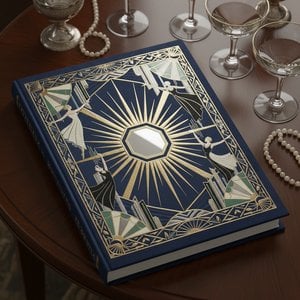
Discover the allure of Art Deco through a curated guide to its most iconic masterpieces. Explore the elegance of Erté and the innovation of Jean Dunand, perfect for collectors seeking timeless glamour and sophisticated design inspiration.
 Ver en contexto
 Enviar
 Compartir
 Detalles
 Guía
Guía

 Descargar
 Similares
 Radiografía
 Presentación de diapositivas
 Preguntas y respuestas
 Estadísticas


 Ver más









 La opción de vidrio solo está disponible en tamaños inferiores a 110 cm.


