Vista previa Vista previa en RA Encargar reproducción pintada a mano Ver versión en imagen digital Compartir
Ver detalles Guía Añadir a favoritos Descargar Ver artículos similares Radiografía Presentación de diapositivas Estadísticas

Soldiers Gambling

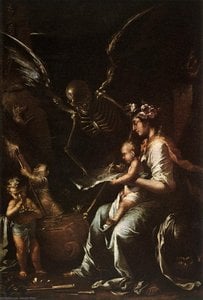
Salvator Rosa's 'Soldiers Gambling' captures a clandestine scene of camaraderie amidst dark barracks – a Baroque study of human nature and fleeting pleasures. Explore this iconic painting.

Descubre a Salvator Rosa (1615-1673), pintor barroco italiano rebelde y visionario. Paisajes dramáticos, temas filosóficos e influencia en artistas como Luca Giordano. ¡Explora sus obras maestras!

Giclée / Impresión de arte

Impresiones giclée o en lienzo de calidad de museo con producción rápida y opciones de acabado flexibles. ( Encargar reproducción pintada a mano Ver versión en imagen digital)

P118B $10
P118H $10
P118W $10
P438Z $10
P508JH $12
P508YH $12
P805H $10
P805Z $10
P919BZ $10
P919G $10
P919XJ $10
P959ZH $10
P968JZ $12
W106C $8
W218G $10
W218JH $8
W218Y $10
W307PJ $10
W316G $10
W316PJ $8
W316Y $10
W398PJ $8
W4111J $10
W500HY $15
W500JH $15
W692G $12
W849H $8
W940BG $15
W953PJ $8

Estándar
personalizado
CM
INCH

Elija entre nuestros tamaños predefinidos que respetan las proporciones originales de la obra.

ancho
altura

Puede introducir sus propias dimensiones para adaptarse a un marco o espacio específico. Si el tamaño seleccionado no coincide con las proporciones de la imagen original, recortaremos la obra de arte o extenderemos la imagen con un borde con efecto espejo o de color sólido. Se enviará una maqueta digital para su aprobación antes de que comience la producción.
Tenga en cuenta que la vista previa en pantalla no refleja el recorte o la extensión real. Solo la maqueta mostrará con precisión la composición final.
Aunque existen tamaños personalizados, recomendamos seleccionar una dimensión de la lista predefinida para preservar las proporciones originales.

Envío a todo el mundo () en 2 semanas en lugar de las 4/5 semanas estándar. (26 septiembre)

why_choose_icon
Envío exprés gratuito a todo el mundo
why_choose_icon
Lienzo de lino de alta calidad
why_choose_icon
Seguro de envío completo
why_choose_icon
Garantía de reembolso de impuestos aduaneros
why_choose_icon
Garantía de fidelidad cromática exacta
why_choose_icon
Política de devolución de 100 días (solo por defectos)
why_choose_icon
Garantía de devolución del 100% del dinero
why_choose_icon
Oferta por volumen

Precio total

$ 68

reproduction

Soldiers Gambling

Giclée / Impresión de arte

Tamaño de la reproducción

-

Precio total

$ 68

Datos clave

  • Title: Soldiers Gambling
  • Dimensions: 77.1 x 61.6 cm
  • Medium: Oil on canvas
  • Subject or theme: Gambling, soldiers
  • Artist: Salvator Rosa
  • Movement: Baroque
  • Year: 1656-8

Cuestionario de arte

Cada pregunta tiene una única respuesta correcta.

Pregunta 1:
What is the primary setting depicted in Salvator Rosa’s ‘Soldiers Gambling’?
Pregunta 2:
The presence of a book on the dining table in the painting most likely suggests what activity?
Pregunta 3:
Salvator Rosa is primarily associated with which artistic movement?
Pregunta 4:
Which of the following best describes Salvator Rosa’s style as compared to other artists of his time?
Pregunta 5:
Based on the painting’s atmosphere, what mood does Salvator Rosa seem to be conveying?

A Shadowed Encounter in the Baroque Night

In the dim, flickering light of a secluded chamber, Salvator Rosa’s Soldiers Gambling unfolds as a masterclass in Baroque tension and atmospheric storytelling. The scene pulls the viewer into a clandestine world where the boundaries between camaraderie and conflict blur within the shadows. Four figures are anchored in this nocturnal setting, their forms emerging from the darkness with a dramatic intensity characteristic of the 17th-century Neapolitan school. One man kneels in focused concentration, while others stand vigil around him, creating a tight, intimate composition that feels both private and voyeuristic. The presence of a simple chair and a dining table, upon which rests a solitary book, suggests a momentary pause in the rigors of military life—a brief, intellectual, or perhaps even desperate diversion amidst the chaos of war.

The technique employed by Rosa is nothing short of evocative, utilizing chiaroscuro to sculpt the figures out of an enveloping gloom. The interplay of light and deep shadow does more than just define shape; it breathes life into the very air of the room, suggesting a heavy, musk-filled atmosphere where every movement feels weighted with significance. As a painter known for his rebellious spirit and unorthodox style, Rosa eschews the polished perfection of his contemporaries in favor of a rugged naturalism. The brushwork, though controlled, possesses an energy that mirrors the restless nature of the soldiers themselves, making the textures of cloth, wood, and skin feel palpably real to the observer.

Symbolism and the Human Condition

Beyond the immediate narrative of a card game, the painting serves as a profound meditation on the fleeting nature of pleasure and the unpredictability of fate. The act of gambling, set within such a somber environment, acts as a powerful metaphor for the precariousness of life during the Baroque era. Each card turned and each wager placed carries the weight of destiny, mirroring the soldiers' own lives which could be altered by a single moment of fortune or misfortune. The inclusion of the book on the table introduces a fascinating layer of symbolism; it hints at the duality of the soldier’s existence—the tension between the raw, instinctual drive for survival and the lingering presence of civilization and intellect.

For the discerning collector or interior designer, this piece offers an unparalleled emotional depth. It is not merely a depiction of a historical moment, but an invitation to contemplate the shadows within the human psyche. The painting’s dark palette and dramatic composition make it a commanding centerpiece for a sophisticated study, a library, or a formal lounge, where its moody elegance can anchor the room's aesthetic. Owning a high-quality reproduction of this masterpiece allows one to bring the haunting beauty and historical gravity of Salvator Rosa’s vision into a modern space, providing a window into an era defined by passion, peril, and the enduring search for light amidst the dark.


Biografía del artista

Vida temprana y formación

Salvator Rosa, pintor barroco italiano, poeta e grabador, nació en Arenella, Nápoles, el 20 de junio o el 21 de julio de 1615. Su madre, Giulia Greca Rosa, pertenecía a una de las familias griegas de Sicilia. A pesar de los deseos de su padre de que se convirtiera en abogado o sacerdote, Salvator demostró una preferencia por las artes desde temprana edad.

Trayectoria artística

La carrera artística de Salvator Rosa se caracterizó por su estilo poco ortodoxo y extravagante, lo que lo diferenciaba de sus contemporáneos. Estuvo activo en Nápoles, Roma y Florencia, y su obra estuvo influenciada por el naturalismo de Ribera y el clasicismo de Poussin. Sin embargo, se negó a ser atado por ningún estilo o movimiento particular.
  • Pitágoras emergiendo del inframundo (Museo de Arte Kimball, Fort Worth, Estados Unidos), una de sus obras más famosas, muestra su mezcla única de temas filosóficos y artísticos.

  • Su obra El bautismo del eunuco (Museo de Arte Chrysler, Norfolk, Estados Unidos) demuestra su capacidad para infundir un alto dramatismo incluso en historias bíblicas menores.

Influencias y legado

La obra de Salvator Rosa tuvo un impacto significativo en el desarrollo del arte barroco. Su influencia puede verse en las obras de artistas posteriores, como Luca Giordano, que continuó superando los límites de la expresión artística.Enlaces importantes: Perfil de Salvator Rosa en WahooArt Wikipedia: Salvator Rosa Pitágoras emergiendo del inframundo en WahooArt

Desarrollo y logros importantes

Rosa se distinguió por su enfoque único de los paisajes, a menudo representando escenas salvajes e indómitas que contrastaban con las vistas clásicas idealizadas de artistas como Claude Lorrain. Sus obras no solo mostraban la naturaleza en su estado más crudo, sino que también exploraban temas filosóficos y morales. Aunque sus habilidades técnicas a veces fueron criticadas, su originalidad e innovación artística eran innegables. Su capacidad para combinar elementos de la historia, la mitología y la filosofía en sus pinturas lo convirtió en una figura singular dentro del arte barroco.

Significado histórico

La vida y obra de Salvator Rosa continúan fascinando a los amantes del arte e historiadores por igual. Su estilo poco ortodoxo y su rebelión perpetua contra las normas de su tiempo han cimentado su lugar en la historia del arte barroco. Se le considera un precursor del movimiento romántico, influyendo en artistas posteriores con su visión apasionada y dramática de la naturaleza y la condición humana. El Museo de Arte Kimball y el Museo de Arte Chrysler son instituciones que albergan importantes obras de Rosa.
Salvador Rosa

Salvador Rosa

1615 - 1673 , Italia

Datos clave

  • Artistas Que Influyeron:
    • Ribera
    • Poussin
  • Estilo Artístico: Barroco
  • Fecha De Muerte: 15 de marzo de 1673
  • Fecha De Nacimiento: 20 o 21 de junio de 1615
  • Influencia En Artistas: ['Luca Giordano']
  • Lugar De Nacimiento: Arenella, Italia
  • Nacionalidad: Italiana
  • Nombre Completo: Salvator Rosa
  • Obras Notables:
    • Pitágoras emergiendo del inframundo
    • El bautismo del eunuco
Explore obras de arte organizadas por temas, estilos y características.