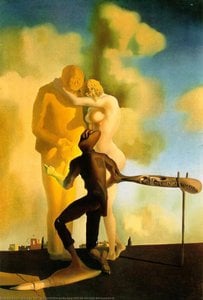
Impresiones giclée o en lienzo de calidad de museo con producción rápida y opciones de acabado flexibles. ( Comprar pintura hecha a mano Comprar imagen)





























Elija entre nuestros tamaños predefinidos que respetan las proporciones originales de la obra.

Puede introducir sus propias dimensiones para adaptarse a un marco o espacio específico. Si el tamaño seleccionado no coincide con las proporciones de la imagen original, recortaremos la obra de arte o extenderemos la imagen con un borde con efecto espejo o de color sólido. Se enviará una maqueta digital para su aprobación antes de que comience la producción.
Tenga en cuenta que la vista previa en pantalla no refleja el recorte o la extensión real. Solo la maqueta mostrará con precisión la composición final.
Aunque existen tamaños personalizados, recomendamos seleccionar una dimensión de la lista predefinida para preservar las proporciones originales.
Envío a todo el mundo () en 2 semanas en lugar de las 4/5 semanas estándar. (6 septiembre)


The Tree
Dimensiones de la reproducción
Salvador Dalí's "The Tree," painted in 1952, isn’t merely a depiction of a solitary tree; it’s an immersion into the artist’s meticulously constructed world of dreams and anxieties. This arresting black-and-white photograph captures a pivotal moment in Dalí’s career, showcasing his mastery of surrealist techniques and offering a profound meditation on themes of isolation, memory, and the enduring power of nature. The painting itself, a large-scale work executed with a blend of meticulous brushwork and subtle dry-brush effects, immediately commands attention with its stark contrast and unsettling stillness.
The composition is deliberately asymmetrical, drawing the eye towards the imposing tree that dominates the left side of the frame. This deliberate imbalance creates a sense of unease, mirroring the psychological landscape Dalí sought to portray. The vast expanse of empty space on the right feels not merely vacant but actively hostile, suggesting a profound loneliness and perhaps even a confrontation with the void. Two figures – a small, distant observer and another positioned closer to the tree’s base – are subtly integrated into the scene, hinting at an interaction or observation, yet simultaneously emphasizing the tree's solitary existence. Their placement invites us to contemplate our own relationship with this silent sentinel.
Dalí’s signature surrealist style is powerfully evident in “The Tree.” The distorted proportions of the tree itself – its elongated trunk and twisting branches – defy naturalistic representation, immediately signaling a departure from conventional reality. This deliberate exaggeration isn't simply decorative; it serves to unlock the subconscious, revealing hidden anxieties and desires. The monochrome palette amplifies this effect, stripping away any distractions and focusing attention on the textures and forms of the painting. The use of dry-brush techniques adds a tactile quality to the bark, suggesting age, resilience, and a connection to the earth – elements that resonate deeply within the artwork’s symbolic weight.
The tree, as a recurring motif in Dalí's work, carries profound symbolic weight. Often interpreted as representing memory, resilience, or even the artist himself, it stands here as a potent symbol of both life and loss. The empty space surrounding the tree can be seen as a representation of forgotten memories, a landscape haunted by the past. The figures observing the tree might symbolize humanity’s attempts to understand or connect with these elusive fragments of experience. Considering Dalí's personal history – particularly his early childhood trauma involving the death of his brother – the painting becomes an intensely personal exploration of grief and the struggle to reconcile with loss.
Created in 1952, “The Tree” reflects a period of both artistic experimentation and personal reflection for Dalí. Following his initial success with surrealism, he began to explore more complex psychological themes, delving into the realm of dreams and anxieties. The painting’s stark simplicity and unsettling atmosphere resonate powerfully today, offering a timeless meditation on the human condition. It's a work that invites contemplation, prompting viewers to consider their own relationship with memory, loss, and the enduring power of nature – a silent testament to Dalí’s genius and his ability to translate the complexities of the subconscious into visual form.

Salvador Domingo Felipe Jacinto Dalí i Domènech, Marqués de Dalí de Púbol, conocido globalmente como Salvador Dalí, fue un pintor surrealista español nacido el 11 de mayo de 1904 en Figueres, España. Falleció el 23 de enero de 1989, dejando un legado que continúa cautivando y desafiando a audiencias de todo el mundo.
La vida temprana de Dalí estuvo marcada por una compleja relación con su padre, lo que influyó profundamente en sus temas artísticos y su personalidad. Demostró talento artístico desde joven, recibiendo formación formal en la Academia de Bellas Artes de San Fernando en Madrid. Un momento crucial ocurrió a los 16 años cuando descubrió la pintura moderna, provocando un intenso interés que condujo a su primera exposición pública en 1919.
El viaje artístico de Dalí fue una evolución dinámica moldeada por varias influencias clave:
Su visita de 1926 a París resultó crucial, sumergiéndolo en el floreciente movimiento Surrealista y conectándolo con artistas destacados de la época. Rápidamente se convirtió en una figura central dentro del grupo.
La contribución de Dalí al Surrealismo no fue solo participación, sino una redefinición radical de sus posibilidades. Desarrolló su método “paranoico-crítico”, que involucraba estados paranoicos autoinducidos para desbloquear imágenes subconscientes y traducirlas en arte. Este enfoque le permitió crear paisajes bizarros e oníricos poblados por relojes derritiéndose, figuras distorsionadas y objetos simbólicos – señuelos de su estilo instantáneamente reconocible.
La Persistencia de la Memoria (1931) es probablemente la obra más famosa de Dalí, encapsulando la exploración surrealista del tiempo, la memoria y el deterioro a través de su icónica imagen.
La prolífica carrera de Dalí produjo un vasto cuerpo de trabajo que abarca pintura, escultura, cine (colaboraciones con Alfred Hitchcock y Walt Disney) y diseño. Algunas obras notables incluyen:
Temas recurrentes en el arte de Dalí incluyen: tiempo, memoria, deterioro, sexualidad, religión, ciencia y la mente subconsciente. Sus obras a menudo presentan hormigas, huevos, andamios, cajones y objetos fundidos – todos imbuidos de significado personal y simbólico.
Dalí continuó creando y exhibiendo su obra durante toda su vida, aunque sus años posteriores estuvieron marcados por una creciente eccentricidad y negocios comerciales. Se casó con Gala Éluard en 1934, una relación que influyó profundamente en su arte y proporcionó un apoyo inquebrantable. Gala sirvió como su musa y gerente de negocios.
Dalí falleció en 1989 a la edad de 84 años. Su legado es inmenso. Sigue siendo uno de los artistas más reconocibles e influyentes del siglo XX, influenciando la moda, el cine, la publicidad y la cultura popular. El Museo Salvador Dalí en St. Petersburg, Florida, alberga una extensa colección, testimonio de su atractivo perdurable.
Salvador Dalí trascendió los límites del arte, convirtiéndose en un icono cultural. Su exploración del subconsciente, combinada con su dominio técnico y su personalidad extravagante, aseguró su lugar como un verdadero visionario y maestro del Surrealismo. Continúa inspirando a artistas y cautivando a audiencias de todo el mundo.
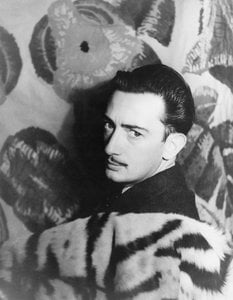
1904 - 1989 , España

Descubre las 25 obras maestras de Salvador Dalí, el genio del surrealismo. Explora su arte onírico, técnicas innovadoras y simbolismo único. Reproducciones de alta calidad para decorar tu hogar con estilo en WahooArt.com.
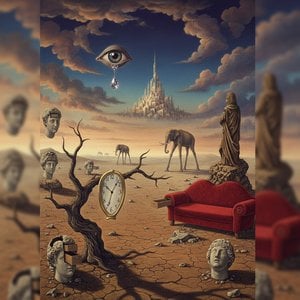
Explore the captivating world of Salvador Dalí! Discover his surrealist masterpieces, profound connection to Freud's theories, and lasting impact on art & culture. A deep dive into a visionary artist.

Descubre los 10 cuadros surrealistas más influyentes de artistas como Dalí y Magritte. Explora la historia, el simbolismo y las técnicas del movimiento surrealista. Encuentra reproducciones de arte de museo en WahooArt.com.

Master the complexities of Salvador Dalí's work. Explore the Paranoiac-Critical Method, decode iconic Surrealist symbols, and understand the psychological depth behind his technical brilliance in this expert art history guide designed for students and collectors.

Unlock the mysteries of Salvador Dalí. Explore the profound secrets behind his Paranoiac-Critical Method and decode the surrealist symbols that define his legendary dreamscapes in this expert art history guide.

 Ver en contexto
 Enviar
 Compartir
 Detalles

 Descargar
 Similares
 Radiografía
 Presentación de diapositivas

 Ver más







 La opción de vidrio solo está disponible en tamaños inferiores a 110 cm.