Adquiera una imagen digital de alta resolución y optimizada, muy superior a la vista previa en línea.
Cada archivo es preparado meticulosamente por nuestros especialistas internos mediante el uso de herramientas avanzadas y un experto retoque manual. Nos aseguramos de que cada imagen posea una claridad excepcional, una precisión cromática impecable y un detalle minucioso.
El archivo final se entrega por correo electrónico en un plazo de 72 horas, optimizado para su uso inmediato en entornos profesionales, editoriales y de impresión. Esta es la misma calidad en la que confían los estudios de diseño, las editoriales y las galerías de primer nivel.
Descarga un archivo de alta resolución para exhibición personal, impresión y proyectos creativos. ( Cambiar a formato impreso
Encargar reproducción pintada a mano)
Al elegir WahooArt.com, no solo está adquiriendo una imagen; está recibiendo una obra de arte digital mejorada profesionalmente, elaborada con precisión y respaldada por una garantía de satisfacción. Esto es todo lo que incluye su pedido, automáticamente:
Recibirá su archivo de imagen digital en alta resolución por correo electrónico en un plazo de 72 horas tras realizar su pedido, listo para su uso inmediato.
Su obra de arte se optimiza profesionalmente mediante herramientas avanzadas de IA y edición manual, garantizando el máximo detalle, claridad y precisión cromática.
¿Has borrado o perdido tu archivo por error? No te preocupes: te lo volveremos a enviar en cualquier momento, sin coste adicional.
Disfrute de su obra de arte al instante sin aduanas, aranceles ni gastos de envío; las descargas digitales siempre están libres de impuestos.
Garantizamos que su imagen digital refleje los colores originales con la mayor fidelidad posible, mediante el uso de herramientas profesionales y gestión del color.
Si no está satisfecho con su imagen digital, la revisaremos o le reembolsaremos el 100% en un plazo de 100 días, sin preguntas.
¿No está satisfecho? Obtenga un reembolso completo dentro de los 100 días posteriores a la recepción de su archivo digital, sin preguntas.
Compra 3 imágenes, ahorra 10% - Compra 5, ahorra 15% - Compra 10+, ahorra 20%. Ideal para proyectos creativos, galerías y agencias.
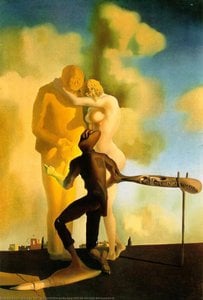
Salvador Dalí’s “The Hand,” painted in 1930, is not merely a depiction of an object; it's a meticulously crafted descent into the subconscious, a visual embodiment of anxiety and the unsettling nature of reality itself. This iconic surrealist work transcends simple representation, inviting viewers to confront their own fears and grapple with the fragmented narratives lurking beneath the surface of consciousness. The painting’s power lies not in its literal subject matter – a hand reaching out – but in the dreamlike atmosphere it conjures, the sense that something profound and perhaps unsettling is about to unfold.
Dalí's technique is both strikingly precise and deliberately distorted. He employs a hyperrealistic style, rendering every detail of the hand with painstaking accuracy—the texture of the skin, the subtle veins beneath, the individual wrinkles—yet this meticulousness serves only to heighten the strangeness of the scene. The vast, desolate landscape, bathed in an ominous twilight, is equally rendered with unsettling clarity. The composition itself is deliberately unbalanced, creating a feeling of unease and instability. Notice how the hand dominates the foreground, dwarfing the smaller figures scattered across the desert floor – these ghostly presences seem lost and insignificant against its imposing presence.
“The Hand” emerged during a period of intense personal and political upheaval for Dalí. The Spanish Civil War was raging, casting a long shadow over Europe, and the rise of fascism threatened to engulf the continent. Dalí himself was grappling with his own demons – the unresolved grief over the death of his brother, Salvador, and a growing sense of disillusionment with the world around him. These anxieties undoubtedly informed the painting’s dark and unsettling mood.
Furthermore, Dalí's artistic journey during this period was deeply influenced by Sigmund Freud’s theories on psychoanalysis and the interpretation of dreams. He sought to translate his own subconscious experiences into visual form, creating a world where logic and reason were suspended, and the irrational reigned supreme. The painting can be seen as an exploration of the Freudian concept of the “uncanny”—the unsettling feeling that arises when something familiar is presented in an unfamiliar or disturbing way.
The symbolism within "The Hand" is rich and layered, inviting multiple interpretations. The hand itself is undoubtedly the central symbol, representing both power and vulnerability. It’s a grasping hand, reaching out as if to grasp something just beyond its reach – perhaps an elusive truth or a lost connection. The structure atop the wrist, resembling a bizarre architectural form, adds another layer of complexity, suggesting a sense of confinement and entrapment.
The small figures scattered across the desert landscape are often interpreted as representations of humanity, reduced to their most basic and vulnerable state. Their diminutive size emphasizes their insignificance in the face of the overwhelming hand. The incense burner held by the figure at the wrist is a particularly potent symbol – it evokes rituals, ceremonies, and perhaps even sacrifice, hinting at a deeper, more unsettling narrative.
"The Hand" remains one of Dalí’s most enduringly captivating works, continuing to fascinate viewers with its dreamlike imagery and profound psychological depth. It's a painting that demands contemplation, inviting us to delve into the hidden recesses of our own minds. WahooArt offers meticulously crafted hand-painted reproductions of this iconic masterpiece, allowing you to bring its enigmatic beauty into your home or office. Each reproduction is created with the same attention to detail and artistic sensibility as the original, ensuring a faithful representation of Dalí’s genius. Explore our collection today and experience the power of “The Hand” firsthand.
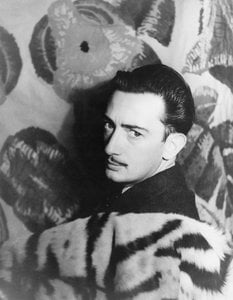
Salvador Domingo Felipe Jacinto Dalí i Domènech, Marqués de Dalí de Púbol, conocido globalmente como Salvador Dalí, fue un pintor surrealista español nacido el 11 de mayo de 1904 en Figueres, España. Falleció el 23 de enero de 1989, dejando un legado que continúa cautivando y desafiando a audiencias de todo el mundo.
La vida temprana de Dalí estuvo marcada por una compleja relación con su padre, lo que influyó profundamente en sus temas artísticos y su personalidad. Demostró talento artístico desde joven, recibiendo formación formal en la Academia de Bellas Artes de San Fernando en Madrid. Un momento crucial ocurrió a los 16 años cuando descubrió la pintura moderna, provocando un intenso interés que condujo a su primera exposición pública en 1919.
El viaje artístico de Dalí fue una evolución dinámica moldeada por varias influencias clave:
Su visita de 1926 a París resultó crucial, sumergiéndolo en el floreciente movimiento Surrealista y conectándolo con artistas destacados de la época. Rápidamente se convirtió en una figura central dentro del grupo.
La contribución de Dalí al Surrealismo no fue solo participación, sino una redefinición radical de sus posibilidades. Desarrolló su método “paranoico-crítico”, que involucraba estados paranoicos autoinducidos para desbloquear imágenes subconscientes y traducirlas en arte. Este enfoque le permitió crear paisajes bizarros e oníricos poblados por relojes derritiéndose, figuras distorsionadas y objetos simbólicos – señuelos de su estilo instantáneamente reconocible.
La Persistencia de la Memoria (1931) es probablemente la obra más famosa de Dalí, encapsulando la exploración surrealista del tiempo, la memoria y el deterioro a través de su icónica imagen.
La prolífica carrera de Dalí produjo un vasto cuerpo de trabajo que abarca pintura, escultura, cine (colaboraciones con Alfred Hitchcock y Walt Disney) y diseño. Algunas obras notables incluyen:
Temas recurrentes en el arte de Dalí incluyen: tiempo, memoria, deterioro, sexualidad, religión, ciencia y la mente subconsciente. Sus obras a menudo presentan hormigas, huevos, andamios, cajones y objetos fundidos – todos imbuidos de significado personal y simbólico.
Dalí continuó creando y exhibiendo su obra durante toda su vida, aunque sus años posteriores estuvieron marcados por una creciente eccentricidad y negocios comerciales. Se casó con Gala Éluard en 1934, una relación que influyó profundamente en su arte y proporcionó un apoyo inquebrantable. Gala sirvió como su musa y gerente de negocios.
Dalí falleció en 1989 a la edad de 84 años. Su legado es inmenso. Sigue siendo uno de los artistas más reconocibles e influyentes del siglo XX, influenciando la moda, el cine, la publicidad y la cultura popular. El Museo Salvador Dalí en St. Petersburg, Florida, alberga una extensa colección, testimonio de su atractivo perdurable.
Salvador Dalí trascendió los límites del arte, convirtiéndose en un icono cultural. Su exploración del subconsciente, combinada con su dominio técnico y su personalidad extravagante, aseguró su lugar como un verdadero visionario y maestro del Surrealismo. Continúa inspirando a artistas y cautivando a audiencias de todo el mundo.

1904 - 1989 , España