Impresiones giclée o en lienzo de calidad de museo con producción rápida y opciones de acabado flexibles. ( Comprar pintura hecha a mano Comprar imagen)





























Elija entre nuestros tamaños predefinidos que respetan las proporciones originales de la obra.

Puede introducir sus propias dimensiones para adaptarse a un marco o espacio específico. Si el tamaño seleccionado no coincide con las proporciones de la imagen original, recortaremos la obra de arte o extenderemos la imagen con un borde con efecto espejo o de color sólido. Se enviará una maqueta digital para su aprobación antes de que comience la producción.
Tenga en cuenta que la vista previa en pantalla no refleja el recorte o la extensión real. Solo la maqueta mostrará con precisión la composición final.
Aunque existen tamaños personalizados, recomendamos seleccionar una dimensión de la lista predefinida para preservar las proporciones originales.
Envío a todo el mundo () en 2 semanas en lugar de las 4/5 semanas estándar. (7 septiembre)


Study for a Portrait (unfinished)
Dimensiones de la reproducción
In the quiet, shadowed corners of art history, few works possess the haunting allure of Salvador Dalí's "Study for a Portrait (unfinished)." Created around 1948, this piece serves as a profound window into the artist’s psyche during a period of intense personal and creative transition. Rather than offering a polished, finished likeness, Dalí presents us with a fragment of a soul—a woman captured in a moment of glancing over her shoulder, her form emerging from an abyss of darkness. The unfinished nature of the canvas is not a failure of completion, but rather a deliberate invitation to the viewer. It mirrors the fluid, often incomplete state of our own subconscious dreams, where identities are perpetually forming and dissolving within the mist of memory.
To gaze upon this work is to engage in a silent dialogue with the Surrealist movement itself. Dalí, a master of disrupting reality to access the realm of the subconscious, uses this study to explore themes of femininity, vulnerability, and the elusive nature of representation. The subject’s pose—a subtle twist of the torso and a watchful gaze—suggests an awareness of being observed, creating a dynamic tension that pulls the viewer into her private orbit. For the collector or the lover of fine art, this painting offers more than mere decoration; it provides a psychological anchor, a piece of history that demands contemplation and rewards deep emotional investment.
The true magic of this study lies in its physical presence, specifically through Dalí’s masterful application of the impasto technique. Upon close inspection, the canvas reveals a rugged, topographical landscape of oil paint. These thick, deliberate layers of pigment do more than just define the contours of the woman's shoulders and neck; they embody the very weight of emotion. The texture mimics the organic irregularities of human flesh, lending a palpable sense of life and vulnerability to the figure. This tactile richness transforms the painting from a flat image into a three-dimensional experience, where light and shadow dance across the ridges of dried paint.
The color palette, though presented here in a striking grayscale through photographic study, speaks to a sophisticated use of tonal gradation. The interplay between deep, impenetrable blacks and soft, luminous grays creates a sense of atmospheric depth that is both mysterious and intimate. For interior designers seeking to create a space of sophistication and drama, the monochromatic strength of this piece offers unparalleled versatility. It can anchor a minimalist modern gallery or add a layer of intellectual depth to a classic study, acting as a focal point that draws the eye through its subtle shifts in light and shadow.
Owning a reproduction of such a significant work allows one to bring the spirit of 1940s Surrealism into the contemporary home. "Study for a Portrait" is not merely an aesthetic choice; it is an atmospheric one. It embodies the tension between what is seen and what is hidden, making it an ideal centerpiece for those who appreciate art that challenges the intellect while soothing the senses. The soft, diffused lighting captured in the work creates a sense of tranquility, yet the underlying themes of introspection and mystery ensure that the piece remains perpetually engaging.
Whether you are an art historian captivated by Dalí’s technical evolution or a decorator looking to infuse a room with a sense of timeless mystery, this artwork stands as a testament to the power of the unfinished. It reminds us that beauty often resides in the incomplete, and that the most profound truths are frequently found in the shadows of what remains unsaid. By integrating this piece into your collection, you are not just displaying a portrait; you are hosting a masterpiece of psychological depth and textural brilliance.

Salvador Domingo Felipe Jacinto Dalí i Domènech, Marqués de Dalí de Púbol, conocido globalmente como Salvador Dalí, fue un pintor surrealista español nacido el 11 de mayo de 1904 en Figueres, España. Falleció el 23 de enero de 1989, dejando un legado que continúa cautivando y desafiando a audiencias de todo el mundo.
La vida temprana de Dalí estuvo marcada por una compleja relación con su padre, lo que influyó profundamente en sus temas artísticos y su personalidad. Demostró talento artístico desde joven, recibiendo formación formal en la Academia de Bellas Artes de San Fernando en Madrid. Un momento crucial ocurrió a los 16 años cuando descubrió la pintura moderna, provocando un intenso interés que condujo a su primera exposición pública en 1919.
El viaje artístico de Dalí fue una evolución dinámica moldeada por varias influencias clave:
Su visita de 1926 a París resultó crucial, sumergiéndolo en el floreciente movimiento Surrealista y conectándolo con artistas destacados de la época. Rápidamente se convirtió en una figura central dentro del grupo.
La contribución de Dalí al Surrealismo no fue solo participación, sino una redefinición radical de sus posibilidades. Desarrolló su método “paranoico-crítico”, que involucraba estados paranoicos autoinducidos para desbloquear imágenes subconscientes y traducirlas en arte. Este enfoque le permitió crear paisajes bizarros e oníricos poblados por relojes derritiéndose, figuras distorsionadas y objetos simbólicos – señuelos de su estilo instantáneamente reconocible.
La Persistencia de la Memoria (1931) es probablemente la obra más famosa de Dalí, encapsulando la exploración surrealista del tiempo, la memoria y el deterioro a través de su icónica imagen.
La prolífica carrera de Dalí produjo un vasto cuerpo de trabajo que abarca pintura, escultura, cine (colaboraciones con Alfred Hitchcock y Walt Disney) y diseño. Algunas obras notables incluyen:
Temas recurrentes en el arte de Dalí incluyen: tiempo, memoria, deterioro, sexualidad, religión, ciencia y la mente subconsciente. Sus obras a menudo presentan hormigas, huevos, andamios, cajones y objetos fundidos – todos imbuidos de significado personal y simbólico.
Dalí continuó creando y exhibiendo su obra durante toda su vida, aunque sus años posteriores estuvieron marcados por una creciente eccentricidad y negocios comerciales. Se casó con Gala Éluard en 1934, una relación que influyó profundamente en su arte y proporcionó un apoyo inquebrantable. Gala sirvió como su musa y gerente de negocios.
Dalí falleció en 1989 a la edad de 84 años. Su legado es inmenso. Sigue siendo uno de los artistas más reconocibles e influyentes del siglo XX, influenciando la moda, el cine, la publicidad y la cultura popular. El Museo Salvador Dalí en St. Petersburg, Florida, alberga una extensa colección, testimonio de su atractivo perdurable.
Salvador Dalí trascendió los límites del arte, convirtiéndose en un icono cultural. Su exploración del subconsciente, combinada con su dominio técnico y su personalidad extravagante, aseguró su lugar como un verdadero visionario y maestro del Surrealismo. Continúa inspirando a artistas y cautivando a audiencias de todo el mundo.
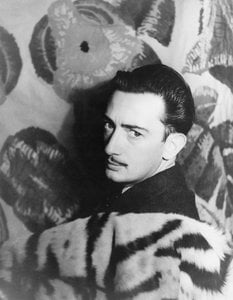
1904 - 1989 , España

Embark on a visual journey through the subconscious. Explore the profound symbolism of Surrealist masterpieces, from Dalí's melting clocks to dreamlike landscapes, and learn how to curate these evocative visions into your private art collection with expert guidance.

Embark on a journey through the subconscious with our expert guide to Surrealism. Discover the profound symbolism of masters like Dalí and Ernst, exploring how dreamlike imagery reshaped art history and continues to inspire collectors and enthusiasts worldwide.

 Ver en contexto
 Enviar
 Compartir
 Detalles

 Descargar
 Similares
 Radiografía
 Presentación de diapositivas

 Ver más







 La opción de vidrio solo está disponible en tamaños inferiores a 110 cm.