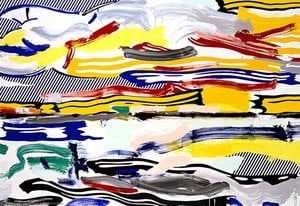
La obra de arte que se muestra en esta página está protegida por las leyes de propiedad intelectual, lo que significa que no podemos crear ni vender legalmente una reproducción idéntica. Esta protección se hace cumplir en virtud de acuerdos internacionales como el Convenio de Berna y por las leyes nacionales, incluidas aquellas establecidas por el Ley de derechos de autor de los EE. UU. - Título 17.
Este método cumple plenamente con las normativas de derechos de autor, ya que no implica la copia ni la duplicación de la obra protegida. En su lugar, se trata de una reinterpretación creativa: una nueva pintura influenciada por la original, pero que no es idéntica a ella.
Impresiones giclée o en lienzo de calidad de museo con producción rápida y opciones de acabado flexibles. ( Comprar pintura hecha a mano Cambiar a imagen digital)





























Elija entre nuestros tamaños predefinidos que respetan las proporciones originales de la obra.

Introduzca el ancho y el alto que necesite para adaptarse a su marco o pared. Una impresión solo puede recortarse, nunca hacerse más grande que la imagen original, por lo que un tamaño con una forma distinta perderá parte de la obra. Le enviaremos una maqueta digital para su aprobación antes de realizar cualquier impresión. La imagen que se muestra en esta página no refleja el recorte real; solo la maqueta lo hace.
Envío a todo el mundo () en 2 semanas en lugar de las 4/5 semanas estándar. (21 noviembre)
Sinking Sun
Dimensiones de la reproducción
Roy Lichtenstein’s Sinking Sun, painted in 1964, isn't merely a depiction of a sunset; it’s a carefully constructed meditation on the anxieties and visual language of the burgeoning Pop Art movement. Emerging from the shadows of Abstract Expressionism, Lichtenstein sought to dismantle traditional notions of fine art by embracing the imagery of popular culture – advertising, comic books, and everyday objects – transforming them into sophisticated works of art. Sinking Sun embodies this shift perfectly, capturing a fleeting moment of dramatic beauty while simultaneously hinting at an underlying sense of unease.
The painting’s genesis lies in the artist's fascination with the visual techniques employed in commercial printing, particularly the use of Ben-Day dots. This technique, borrowed from the world of mass production, creates a mosaic effect of tiny colored squares that mimics the appearance of halftone patterns found in newspapers and magazines. Lichtenstein masterfully employs this method to render the fiery hues of the sunset – vibrant yellows, deep oranges, and streaks of purple – imbuing the scene with an almost photographic quality while simultaneously distancing it from traditional representational painting. The deliberate flatness of the color fields contributes to the work’s immediate impact, drawing the viewer into its bold and dynamic composition.
The composition of Sinking Sun is deceptively simple yet profoundly effective. A dramatic sunset dominates the canvas, with a large, cloud-obscured sun positioned just above the horizon line. The clouds themselves are rendered in soft pinks and blues, creating a sense of depth and atmospheric perspective. A subtle rainbow arcs across the upper portion of the painting, adding a touch of hopeful beauty to the scene – a fleeting promise after the intensity of the sunset. However, it’s not just a picturesque landscape; the receding horizon line suggests a downward trajectory, subtly conveying a feeling of decline or transition.
The choice of subject matter itself is significant. A sinking sun has long been a potent symbol in art and literature, representing endings, mortality, and the passage of time. In Sinking Sun, this symbolism is amplified by Lichtenstein’s stylistic choices. The bright colors and simplified forms contrast sharply with the melancholic connotations of the subject matter, creating a compelling tension between beauty and sadness.
Lichtenstein’s work, including Sinking Sun, played a pivotal role in challenging established artistic conventions. By appropriating imagery from popular culture – a deliberate move away from the traditional subjects of fine art – he questioned the very definition of what constituted “art.” His use of comic book aesthetics, bold colors, and mass-produced techniques directly confronted the elitism and intellectualism often associated with the art world. Sinking Sun exemplifies this challenge, demonstrating how seemingly mundane imagery could be elevated to a level of artistic significance.
Today, Sinking Sun is recognized as an iconic image of American Pop Art and a testament to Lichtenstein’s innovative approach. Its vibrant colors, meticulous attention to detail, and subtle symbolism continue to resonate with viewers. The painting serves as a poignant reminder of the cultural landscape of its time – a period marked by rapid technological advancements, consumerism, and a growing sense of uncertainty. More than just a beautiful image, Sinking Sun offers a glimpse into the anxieties and aspirations of a generation grappling with the complexities of modernity. It’s a work that invites contemplation and rewards repeated viewing, revealing new layers of meaning with each encounter.
Further Resources: Roy Lichtenstein: Sinking sun, Roy Lichtenstein: Figures with sunset, Roy Lichtenstein: We rose up slowly, Roy Lichtenstein: Crying girl
Artist Information: Roy Fox Lichtenstein (1923-1997) was an American pop artist. He rose to prominence in the 1960s through pieces which were inspired by popular advertising and the comic book style. Much of his work explores the relationship between fine art, advertising, and consumerism.
Additional Research: Roy Lichtenstein, Roy Lichtenstein Foundation
Se recomienda una reproducción de Medium para "Sinking Sun" de Roy Lichtenstein. El tamaño puede ajustarse manteniendo las proporciones.
La clasificación histórico-artística de "Sinking Sun" de Roy Lichtenstein es Pop Art, perteneciente al periodo Modern.
Los valores registrados para "Sinking Sun" de Roy Lichtenstein son: brilliant de brillo y Bright Balance de luminancia.

Manhattan, Nueva York, 27 de octubre de 1923. Roy Lichtenstein llega al mundo como el hijo de Milton y Beatrice. La energía urbana de la metrópolis sirve de telón de fondo para una vida que, eventualmente, desafiaría los límites de las bellas artes. Se desarrolla en el seno de una familia judía de clase media-alta, absorbiendo los ritmos culturales de la ciudad a través de los museos y la música jazz.
La trayectoria de su carrera da un giro decisivo a mediados del siglo XX. Emerge como una figura líder del movimiento Pop Art, un periodo definido por una ruptura radical con la pincelada pesada y emocional del Expresionismo Abstracto. En lugar de mirar hacia su interior, Lichtenstein dirige su mirada hacia el exterior, hacia las superficies brillantes y mecánicas de la cultura de masas estadounidense. Encuentra su materia prima en los rincones más ignorados de la vida cotidiana: los dramáticos paneles de los cómics y los patrones crudos y repetitivos de la publicidad comercial.
Su obra transforma el lenguaje efímero de la imprenta en algo monumental. Al adoptar la taquigrafía visual de las masas, fuerza un enfrentamiento entre el prestigio de las galerías de alto nivel y el pulso cotidiano de la calle. Su presencia en el mundo del arte se caracteriza por un desapego deliberado, utilizando las mismas herramientas de la reproducción industrial para redefinir lo que una pintura puede llegar a ser.
Manhattan, 1923. La ciudad se convierte en el escenario del nacimiento de Roy Fox Lichtenstein en el seno de una familia judía de clase media alta. Su padre, Milton, se desempeña como corredor de bienes raíces, mientras que su madre, Beatrice, una pianista de formación profesional, lo introduce en los ritmos culturales de Nueva York. Estos primeros años están marcados por una inmersión dual en lo visual y lo auditivo; pasa su infancia explorando museos y asistiendo a conciertos, desarrollando un profundo aprecio por la música jazz que persistirá a lo largo de toda su vida.
La trayectoria de su vida se inclina hacia la disciplina formal en 1939. Se incorpora a la Art Students League de Nueva York, situándose bajo la tutela de Reginald Marsh. En este entorno, el enfoque se mantiene en los fundamentos del dibujo y la pintura. Desde estas exploraciones iniciales, su camino se dirige hacia la educación superior, matriculándose en la Universidad Estatal de Ohio para cursar la licenciatura en bellas artes. Esta base académica le proporcionará el rigor técnico que, eventualmente, servirá de sustento para sus posteriores y más radicales rupturas con la representación tradicional.
La trayectoria educativa de Lichtenstein da un giro abrupto en 1943. El reclutamiento lo arranca de las aulas para lanzarlo al fragor del Ejército de los Estados Unidos. Durante dos años, el enfoque de su vida se desplaza del estudio artístico a las líneas de frente en Europa. Sirve en Francia, Bélgica y Alemania, navegando el caos de los años de guerra entre 1943 y 1945. Durante este periodo, se desempeña como ordenanza, dibujante y artista, capturando en sus bocetos la cruda realidad de su entorno mientras el conflicto alcanza su punto álgido.
La guerra llega a su fin, pero la transición de vuelta a la vida civil no es inmediata. Tras el cese de las hostilidades en 1945, Lichtenstein permanece un tiempo en Francia, con la intención de estudiar en la Sorbona. Sin embargo, este plan se desvanece cuando su padre enferma gravemente, lo que le obliga a regresar a los Estados Unidos. Se dirige de nuevo a la Universidad Estatal de Ohio para concluir lo que había comenzado. Para 1946, completa su licenciatura en Bellas Artes, listo para reincorporarse al mundo profesional del arte como un artista formado.
Los años de la posguerra encuentran a Roy Lichtenstein navegando por el panorama académico del Medio Oeste y la Costa Este de los Estados Unidos. Se desempeña como instructor de arte en la Universidad Estatal de Ohio, una posición que ocupa de manera intermitente durante una década. Durante este periodo, su producción creativa experimenta una transformación profunda. Se aleja de la pincelada pesada y emocional del Expresionismo Abstracto para comenzar a experimentar con interpretaciones cubistas y obras líricas inspiradas en el Tapiz de Bayeux. Asimismo, explora temas del Lejano Oeste, produciendo series de dibujos y pinturas que reflejan un interés creciente por la imaginería estilizada de la impresión comercial.
La transición hacia un lenguaje más gráfico se acelera a través de sus diversos nombramientos académicos. En 1957, se traslada a la Universidad Estatal de Nueva York en Oswego para enseñar diseño industrial. Este rol coincide con una etapa de intensa experimentación, donde comienza a combinar personajes de dibujos animados, como Mickey Mouse y Donald Duck, con fondos abstractos. Este enfoque híbrido marca una ruptura con las bellas artes tradicionales. Más tarde, ejerce como profesor asistente en Douglass College, en la Universidad Rutgers del Estado de Nueva Jersey, y como profesor asistente en SUNY Oswego. Estos entornos académicos le proporcionan la estabilidad necesaria para refinar un lenguaje visual que rechaza la textura de la pintura tradicional en favor de algo más mecánico y distante.
El lienzo se transforma en un escenario de precisión mecánica. Roy Lichtenstein despoja a la obra de la pincelada visible, sustituyendo la mano del artista por el lenguaje frío y calculado de la producción en masa. Adopta la estética de los cómics y la publicidad, utilizando colores primarios vibrantes y gruesos contornos negros para definir sus sujetos. La imaginería se percibe distante, imitando la cualidad plana e impersonal de una página impresa en lugar de una superficie pintada a mano.
La textura se logra mediante una aplicación deliberada y sistemática de los puntos Ben-Day. Estos pequeños círculos de color crean sombreados y gradaciones, replicando la apariencia de la impresión comercial económica. No pinta estos puntos de forma individual; en su lugar, utiliza plantillas hechas de plástico fino o metal, pasando un pincel o un trapo sobre la superficie para asegurar una apariencia uniforme, de fabricación industrial. Esta técnica convierte el acto de pintar en un proceso de reproducción, desdibujando la línea entre las bellas artes y el producto industrial.
La transición hacia su estilo distintivo se manifiesta en 1961 con Look Mickey. En esta pieza, la apropiación de un personaje de Disney marca un punto de ruptura con sus experimentos abstractos anteriores. El artista se aleja de la pincelada densa y emocional de la década previa, optando en su lugar por la claridad mecánica de la tira cómica. La obra funciona como un puente, traduciendo el lenguaje de la literatura de consumo en una composición formal de gran escala.
Hacia 1963, la magnitud de su interrogación visual se expande. Whaam! estalla a través del lienzo, utilizando los paneles dramáticos y fragmentados de los cómics de guerra para capturar un instante de violencia pura y frenética. Simultáneamente, Drowning Girl presenta una tensión de naturaleza distinta. La obra se centra en una mujer sumergida en el agua, con el rostro marcado por lágrimas estilizadas y un bocadillo de texto que expresa un sentimiento de desafío personal. Estas obras no se limitan a representar escenas; congelan el melodrama de los medios de comunicación de masas en objetos gráficos y estáticos.
La pintura Nurse, de 1964, continúa esta exploración de lo romántico y lo dramático. En ella, utiliza los mismos contornos de alto contraste y los puntos Ben-Day que definen su periodo más reconocido. El sujeto, una enfermera de una novela romántica de cómic, es representado con un desapego que enfatiza la artificialidad del material original. Su producción durante esta era permanece enfocada en la intersección entre la emoción humana y la reproducción industrial.
La década de los 60 trajo consigo un cambio significativo en su vida personal cuando contrajo matrimonio con Dorothy Herzka en 1968. Durante este periodo, Lichtenstein continuó gestando un vasto y prolífico cuerpo de obra, expandiendo su alcance artístico a través de diversos medios. Su producción fue inagotable, abarcando más de cinco mil obras que incluyen pinturas, esculturas y murales. Con el tiempo, logró trascender el impacto inicial de su estilo inspirado en el cómic para adentrarse en composiciones más complejas, desarrollando series que establecían diálogos con el arte clásico y los paisajes.
Su partida llegó de forma abrupta a finales de los años 90. En agosto de 1997, contrajo neumonía, una enfermedad que resultó ser demasiado devastadora para su organismo. Finalmente, falleció a causa de las complicaciones de la infección el 29 de septiembre de 1997, a la edad de 73 años.
Las fronteras entre el arte elevado y la cultura popular se disuelven tras su paso, dejando una estela de influencia imborrable. Al elevar el lenguaje visual de las tiras cómicas y la publicidad al espacio sagrado de la galería, Roy Lichtenstein forzó un enfrentamiento inevitable entre las bellas artes y la imaginería producida en masa de la vida cotidiana. Este cambio no se limitó a transformar la temática de la pintura; desafió la definición misma de la autoría artística y la originalidad. Su obra permanece como un catalizador para el diálogo crítico sobre la intersección entre el arte, la cultura y el comercio.
Su presencia se siente en las colecciones de los museos más importantes del mundo. Desde los pasillos de la Tate en Londres hasta el Museo de Arte Moderno en Nueva York, su estética sigue siendo una parte fundamental del canon moderno. El impacto de su método se extiende al diseño gráfico, la ilustración y el arte digital contemporáneo, donde la tensión entre lo mecánico y lo pintado a mano continúa resonando con fuerza. Él no fue un mero participante en el movimiento Pop Art; ayudó a originarlo, estableciendo un vocabulario visual que sigue siendo un punto de referencia primordial sobre cómo consumimos imágenes en una era saturada por los medios de comunicación.

1923 - 1997 , Estados Unidos

Descubre el uso del color y los puntos Ben-Day en la obra de Lichtenstein. Explora la maestría del Pop Art ahora.

Descubra la fascinante historia del Pop Art: orígenes, artistas clave como Warhol y Lichtenstein, técnicas innovadoras y su impacto duradero en el arte y la cultura. Guía experta para coleccionistas.
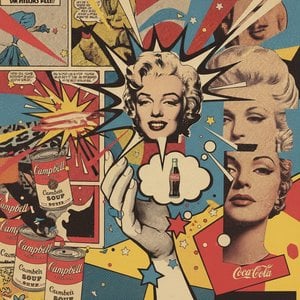
Explora las 10 obras maestras del Pop Art que transformaron la historia. Desde Warhol hasta Lichtenstein, descubre la esencia de este movimiento vibrante y encuentra reproducciones de calidad museo para tu hogar. Explora la colección completa en WahooArt.com.

Explora las 25 obras maestras de Roy Lichtenstein. Descubre la historia y el vibrante estilo del Pop Art a través de sus puntos Ben-Day e iconos modernos. Encuentra reproducciones de calidad de museo para tu colección en WahooArt.com. ¡Explora la colección completa online!

Explore Roy Lichtenstein's revolutionary Pop Art! Discover the story behind Ben-Day dots, iconic works like 'Whaam!', and investment insights for collectors. Expert analysis & high-quality reproductions at WahooArt.
 Ver en contexto
 Enviar
 Compartir
 Detalles
 Guía
Guía

 Descargar
 Similares
 Radiografía
 Presentación de diapositivas
 Preguntas y respuestas
 Estadísticas

 Ver más









 La opción de vidrio solo está disponible en tamaños inferiores a 110 cm.