Asesoría de arte gratuita

x
Encargar reproducción Encargar reproducciónComprar imagen en alta resolución Comprar imagen en alta resolución EnviarEnviar
DetallesDetalles Añadir a favoritos Añadir a favoritos DescargarDescargar SimilaresSimilares RadiografíaRadiografía Presentación de diapositivasPresentación de diapositivas

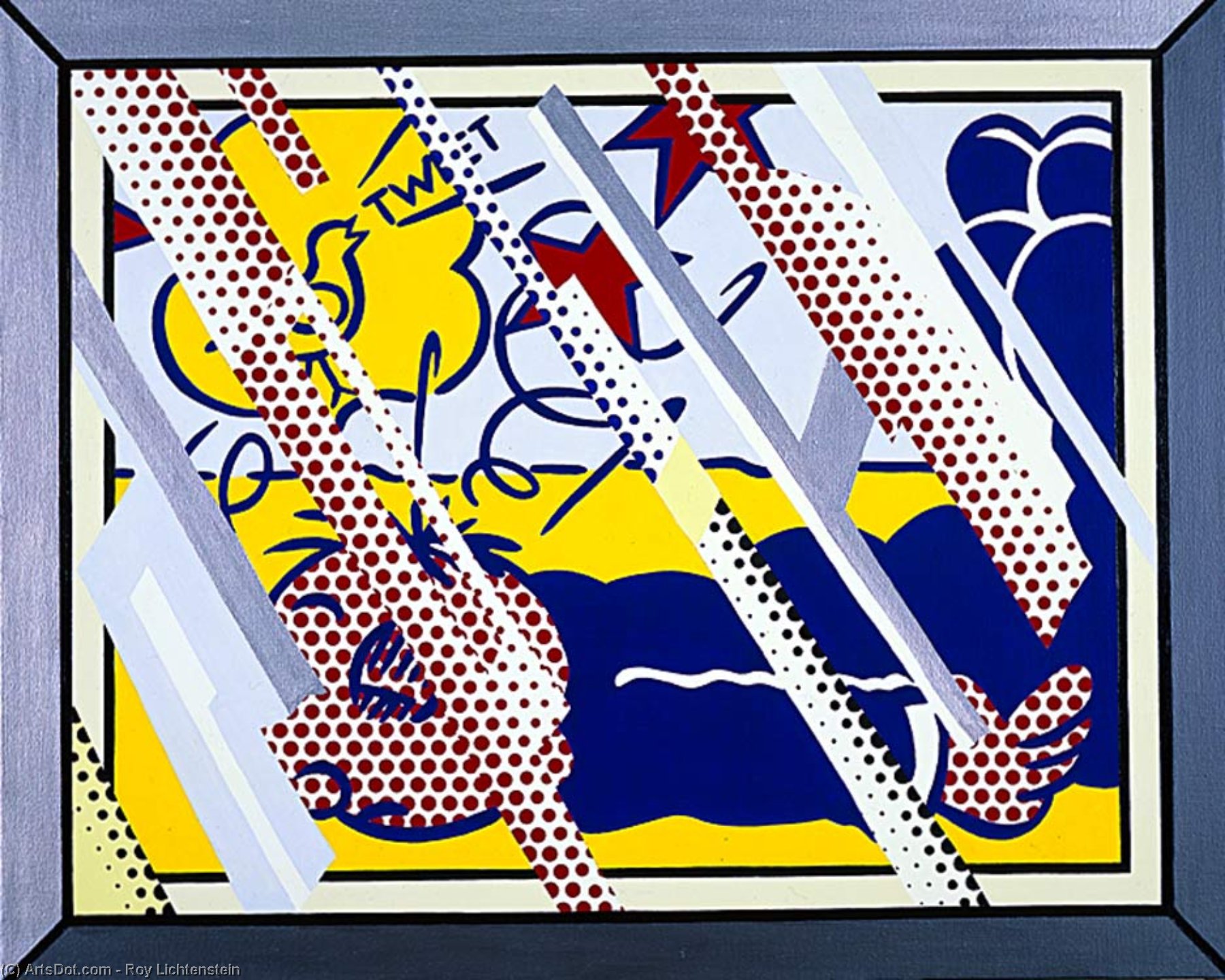
Reflections Wimpy II

Experience Roy Lichtenstein’s iconic Reflections Wimpy II, a vibrant Pop Art masterpiece featuring a figure falling into water with dynamic blue dots and a yellow background – perfect for art lovers and collectors.

Roy Lichtenstein (1923-1997) fue una figura destacada del arte Pop estadounidense, conocido por sus pinturas icónicas con estilo de cómic que exploran el consumismo y el arte fino. Descubre 'Whaam!', 'Drowning Girl' y más.

Giclée / Impresión de arte

Impresión giclée o en lienzo de calidad de museo con producción rápida y opciones de acabado flexibles.

P118B $10
P118H $10
P118W $10
P438Z $10
P508JH $12
P508YH $12
P805H $10
P805Z $10
P919BZ $10
P919G $10
P919XJ $10
P959ZH $10
P968JZ $12
W106C $8
W218G $10
W218JH $8
W218Y $10
W307PJ $10
W316G $10
W316PJ $8
W316Y $10
W398PJ $8
W4111J $10
W500HY $15
W500JH $15
W692G $12
W849H $8
W940BG $15
W953PJ $8

Standard
custom
CM
INCH

Elija entre nuestros tamaños predefinidos que respetan las proporciones originales de la obra.

ancho
altura

Puede introducir sus propias dimensiones para adaptarse a un marco o espacio específico. Si el tamaño seleccionado no coincide con las proporciones de la imagen original, recortaremos la obra de arte o extenderemos la imagen con un borde con efecto espejo o de color sólido. Se enviará una maqueta digital para su aprobación antes de que comience la producción.
Tenga en cuenta que la vista previa en pantalla no refleja el recorte o la extensión real. Solo la maqueta mostrará con precisión la composición final.
Aunque existen tamaños personalizados, recomendamos seleccionar una dimensión de la lista predefinida para preservar las proporciones originales.

Entrega mundial () en 2 semanas en lugar de las 4/5 semanas estándar. (17 julio)

why_choose_icon
Envío exprés gratuito a todo el mundo
why_choose_icon
Lienzo de lino de alta calidad
why_choose_icon
Seguro de envío total
why_choose_icon
Garantía de reembolso de impuestos aduaneros
why_choose_icon
Garantía de fidelidad de color
why_choose_icon
Política de devolución de 60 días (solo por defectos)
why_choose_icon
Garantía de devolución del 100% del dinero
why_choose_icon
Descuento por pedido múltiple

Precio total

-

reproduction

Reflections Wimpy II

Giclée / Impresión de arte

Tamaño de la reproducción

-

Precio total final

-

Datos clave

  • Title: Reflections Wimpy II
  • Artistic style: Ben-Day dots, graphic
  • Movement: Pop Art
  • Subject or theme: Waterfall scene
  • Notable elements: Blue dots, falling figures
  • Year: 1988

Descripción de la obra

Reflections Wimpy II: A Dive into Lichtenstein's Pop Vision

Roy Lichtenstein’s “Reflections Wimpy II,” painted in 1988, is more than just a depiction of falling figures; it’s a meticulously constructed exploration of perception and the anxieties inherent within modern life. This vibrant work, dominated by a bold yellow background punctuated with strategically placed blue dots, immediately anchors itself within the Pop Art movement – a period defined by its engagement with popular culture and a deliberate rejection of traditional artistic hierarchies. Lichtenstein, born in Manhattan in 1923, was a revolutionary figure who took comic book imagery—specifically the “wimpies” or distorted figures often found in these works—and elevated them to the level of serious art. The painting’s impact lies not just in its subject matter but in the masterful execution of his signature style: Ben-Day dots, meticulously applied to create an illusion of depth and texture, a technique borrowed directly from commercial printing.

Composition and Technique – A Window into Illusion

The composition of “Reflections Wimpy II” is deliberately disorienting. The central figure, seemingly caught in the act of falling into water, draws immediate attention, yet it’s surrounded by a chaotic array of other figures and objects also engaged in this downward trajectory. This creates a sense of instability and vulnerability – a feeling that resonates deeply with the anxieties of the late 20th century. Lichtenstein's use of Ben-Day dots isn’t merely decorative; it’s integral to the painting’s effect. The dots, applied in layers, mimic the visual impact of printed images, blurring the lines between fine art and commercial illustration. This technique creates a shimmering quality, adding to the illusion of depth and movement within the scene. The blue dots themselves aren't just color; they function as miniature windows, reflecting and refracting light, further contributing to the painting’s dynamic visual field.

Symbolism and Context – Deconstructing the American Dream

“Reflections Wimpy II” can be interpreted as a commentary on the fragility of the American dream. The falling figures represent individuals overwhelmed by circumstance, struggling against forces beyond their control. This interpretation aligns with Lichtenstein’s broader engagement with themes of consumerism and alienation – prevalent concerns within Pop Art. The scene evokes a sense of unease, mirroring the anxieties surrounding economic instability and social disruption that characterized the period. The water itself is a potent symbol—representing both cleansing and destruction, life and death. It's a visual metaphor for the overwhelming nature of modern existence, where individuals are constantly threatened by forces they cannot comprehend or control.

Emotional Impact – A Visceral Engagement

Despite its seemingly detached aesthetic, “Reflections Wimpy II” possesses a powerful emotional resonance. The distorted figures and the chaotic composition generate a feeling of unease and vulnerability in the viewer. The painting’s vibrant colors and meticulous technique draw the eye, creating an immersive experience that invites contemplation. It's a work that demands attention, prompting viewers to confront uncomfortable truths about human existence. This piece exemplifies Lichtenstein's ability to transform familiar imagery into profound statements about the human condition, solidifying his place as one of the most influential artists of the 20th century.


Biografía del artista

vida temprana y educación

Roy Fox Lichtenstein, un destacado artista pop estadounidense, nació el 27 de octubre de 1923 en la ciudad de Nueva York. Creció en una familia judía de clase media alta, con su padre como corredor de bienes raíces y su madre como ama de casa. El interés de Lichtenstein por el arte y el diseño comenzó como un pasatiempo durante sus años escolares.

Carrera artística

Después de completar su educación secundaria en la Dwight School en 1940, Lichtenstein asistió a la Art Students League of New York bajo la tutela de Reginald Marsh. Luego continuó con una licenciatura en artes visuales de la Universidad de Ohio, que fue interrumpida por un servicio militar de tres años durante la Segunda Guerra Mundial.
  • Look Mickey (1961, Galería Nacional de Arte, Washington D.C.), una de las primeras obras pop art de Lichtenstein, marcó el comienzo de su influyente carrera.
  • Su trabajo estuvo fuertemente influenciado por los estilos de publicidad y cómics populares, con obras notables como Wham!, Drowning Girl y Oh, Jeff... I love you too... but...
  • La obra más cara de Lichtenstein, Masterpiece, se vendió por 165 millones de dólares en enero de 2017.

Enseñanza e influencias

Lichtenstein enseñó en varias instituciones, incluyendo la Universidad Estatal de Nueva York en Oswego y la Universidad Rutgers. Su trabajo fue influenciado por Allan Kaprow, un colega profesor en Rutgers, lo que reavivó su interés en las imágenes proto-pop. Exposiciones notables:
  • The Museum Chambre de Commerce (Tolosa, Francia), que presentaba varias obras de arte, incluyendo aquellas del movimiento pop art.
  • El trabajo de Lichtenstein fue exhibido en la Leo Castelli Gallery en la ciudad de Nueva York, con su primera exposición individual en 1962 siendo comprada por completo por coleccionistas influyentes antes de que abriera.

Legado e impacto

Roy Lichtenstein falleció el 29 de septiembre de 1997, dejando atrás un legado como figura destacada del movimiento pop art. Su obra continúa siendo celebrada por su innovadora mezcla de arte alto y bajo, haciendo que sea accesible a una audiencia más amplia. Referencias:
Roy Lichtenstein

Roy Lichtenstein

1923 - 1997 , Estados Unidos de América

Datos clave

  • Artistas Que Influyeron:
    • Reginald Marsh
    • Allan Kaprow
  • Fecha De Muerte: 29 de septiembre de 1997
  • Fecha De Nacimiento: 27 de octubre de 1923
  • Lugar De Nacimiento: Manhattan, EE. UU.
  • Movimiento Artístico: Pop Art
  • Nacionalidad: Estadounidense
  • Nombre Completo: Roy Lichtenstein
  • Obras Notables:
    • Look Mickey
    • Whaam!
    • Drowning Girl
    • Masterpiece
Explore obras de arte organizadas por temas, estilos y características.