


x


 Encargar reproducción Comprar imagen en alta resolución
 Enviar
 Details
 Añadir a favoritos
 Descargar
 Similares
 X-Ray
X-Ray
 Presentación de diapositivas
Impresión giclée o en lienzo de calidad de museo con producción rápida y opciones de acabado flexibles.





























Elija entre nuestros tamaños predefinidos que respetan las proporciones originales de la obra.

Puede introducir sus propias dimensiones para adaptarse a un marco o espacio específico. Si el tamaño seleccionado no coincide con las proporciones de la imagen original, recortaremos la obra de arte o extenderemos la imagen con un borde con efecto espejo o de color sólido. Se enviará una maqueta digital para su aprobación antes de que comience la producción.
Tenga en cuenta que la vista previa en pantalla no refleja el recorte o la extensión real. Solo la maqueta mostrará con precisión la composición final.
Aunque existen tamaños personalizados, recomendamos seleccionar una dimensión de la lista predefinida para preservar las proporciones originales.
Entrega mundial () en 2 semanas en lugar de las 4/5 semanas estándar. (1 julio)


Forest Scene with Temple
Tamaño de la reproducción


1923 - 1997 , Estados Unidos de América

¿Sueñas con ver tus personajes favoritos plasmados en arte único? Guía completa para encargar pinturas personalizadas de alta calidad a artistas profesionales. ¡Convierte tu pasión en una obra maestra!

Descubre los 10 iconos del Pop Art: Warhol, Lichtenstein y más. Explora la historia, técnica y significado de estas obras maestras que revolucionaron el arte moderno. Encuentra reproducciones exclusivas en .
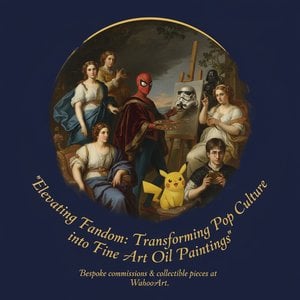
Transforma tu pasión por el fandom en una obra de arte única con pinturas al óleo personalizadas. Artistas expertos y calidad excepcional. Descubre cómo invertir en arte exclusivo y decorar con estilo.

Descubre 10 obras maestras acrílicas de artistas como Rothko, Frankenthaler y Pollock que revolucionaron el arte moderno. Explora su historia, técnica y significado en WahooArt.com. Encuentra reproducciones de alta calidad para tu hogar.

Descubre las 25 obras maestras de Roy Lichtenstein, ícono del Pop Art. Explora su innovadora técnica, colores vibrantes y el impacto cultural de sus cuadros más famosos. Reproducciones de arte exclusivas en WahooArt.com.


Manténgase al día con las últimas noticias de arte, ofertas exclusivas e ideas de decoración.
Cuéntanos sobre tu proyecto y nuestros expertos en arte te ofrecerán 3 sugerencias de obras personalizadas.
Permítenos seleccionar 3 opciones solo para ti – ¡Gratis!
 Compartir


 Ver más







 La opción de vidrio solo está disponible en tamaños inferiores a 110 cm.


