Ver en contexto Vista previa en RA Cambiar a impresiones Cambiar a imagen digital Enviar
Detalles Guía Añadir a favoritos Descargar Similares Radiografía Presentación de diapositivas Q&A Estadísticas

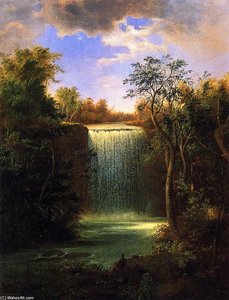
The Drunkard's Plight Hand-painted oil painting reproduction

Discover Robert Seldon Duncanson's 'The Drunkard’s Plight,' a poignant 1845 painting exploring social issues & abolitionism through evocative landscape art. A pioneering African American artist's masterpiece.

Descubre a Robert Duncanson (1821-1872), pionero afroamericano en el arte del paisaje. Explora sus serenas vistas del valle del Ohio y su legado romántico.

Reproducción al óleo hecha a mano

Óleo sobre lienzo pintado a mano en el tamaño y marco de su elección, realizado por encargo por nuestros artistas. ( Cambiar a impresiones Cambiar a imagen digital)

Corner sample of the P118B picture frame: poliestireno moldeado, 5 cm wide and 3 cm thick
P118B €10
Corner sample of the P118H picture frame: poliestireno moldeado, 5 cm wide and 3 cm thick
P118H €10
Corner sample of the P118W picture frame: poliestireno moldeado, 5 cm wide and 3 cm thick
P118W €10
Corner sample of the P438Z picture frame: poliestireno moldeado, 5.5 cm wide and 3.5 cm thick
P438Z €10
Corner sample of the P508JH picture frame: poliestireno moldeado, 7 cm wide and 3.5 cm thick
P508JH €12
Corner sample of the P508YH picture frame: poliestireno moldeado, 7 cm wide and 3.5 cm thick
P508YH €12
Corner sample of the P805H picture frame: poliestireno moldeado, 5 cm wide and 3.5 cm thick
P805H €10
Corner sample of the P805Z picture frame: poliestireno moldeado, 5 cm wide and 3.5 cm thick
P805Z €10
Corner sample of the P919BZ picture frame: poliestireno moldeado, 7 cm wide and 3.5 cm thick
P919BZ €10
Corner sample of the P919G picture frame: poliestireno moldeado, 7 cm wide and 3.5 cm thick
P919G €10
Corner sample of the P919XJ picture frame: poliestireno moldeado, 7 cm wide and 3.5 cm thick
P919XJ €10
Corner sample of the P959ZH picture frame: poliestireno moldeado, 5 cm wide and 3 cm thick
P959ZH €10
Corner sample of the P968JZ picture frame: poliestireno moldeado, 6 cm wide and 4 cm thick
P968JZ €12
Corner sample of the W106C picture frame: madera maciza, 5 cm wide and 3 cm thick
W106C €8
Corner sample of the W218G picture frame: madera maciza, 5 cm wide and 3 cm thick
W218G €10
Corner sample of the W218JH picture frame: madera maciza, 5 cm wide and 3 cm thick
W218JH €8
Corner sample of the W218Y picture frame: madera maciza, 5 cm wide and 3 cm thick
W218Y €10
Corner sample of the W307PJ picture frame: madera maciza, 6 cm wide and 3 cm thick
W307PJ €10
Corner sample of the W316G picture frame: madera maciza, 6 cm wide and 3 cm thick
W316G €10
Corner sample of the W316PJ picture frame: madera maciza, 6 cm wide and 3 cm thick
W316PJ €8
Corner sample of the W316Y picture frame: madera maciza, 6 cm wide and 3 cm thick
W316Y €10
Corner sample of the W398PJ picture frame: madera maciza, 5 cm wide and 3 cm thick
W398PJ €8
Corner sample of the W4111J picture frame: madera maciza, 6.5 cm wide and 3.5 cm thick
W4111J €10
Corner sample of the W500HY picture frame: madera maciza, 7 cm wide and 5 cm thick
W500HY €15
Corner sample of the W500JH picture frame: madera maciza, 7 cm wide and 5 cm thick
W500JH €15
Corner sample of the W692G picture frame: madera maciza, 8 cm wide and 4 cm thick
W692G €12
Corner sample of the W849H picture frame: madera maciza, 5 cm wide and 3 cm thick
W849H €8
Corner sample of the W940BG picture frame: madera maciza, 7.5 cm wide and 4.5 cm thick
W940BG €15
Corner sample of the W953PJ picture frame: madera maciza, 6 cm wide and 3.5 cm thick
W953PJ €8

Tamaño estándar
a medida
CM
INCH

Elija entre nuestros tamaños predefinidos que respetan las proporciones originales de la obra.

ancho
altura

Indique el ancho y el alto que necesite para adaptarse a su marco o pared. Al tratarse de una obra pintada a mano, si requiere un tamaño con una proporción distinta, el artista puede pintar un poco más alrededor de la imagen o recortarla ligeramente; usted elige. Le enviaremos una maqueta digital para su aprobación antes de comenzar la pintura. La imagen que se muestra en esta página no refleja el resultado real; solo la maqueta lo hace.

Ejemplos de lo que se puede personalizar: Reemplace el rostro con una foto del cliente; Agregue una mascota (por ejemplo, cambie un gato por un perro); Incluya un mensaje oculto en el fondo; Cambie el paisaje o los elementos del fondo.
Tras realizar el pedido, el equipo de WahooArt.com enviará un correo electrónico al cliente para solicitar instrucciones y proporcionarle una vista previa del boceto.

Envío a todo el mundo () en 3-4 semanas en lugar de las 5 semanas estándar. (30 octubre). Sin comprometer la calidad.

Envío exprés gratuito a todo el mundo
Lienzo de lino de alta calidad
Seguro de envío total
Garantía de reembolso de aranceles aduaneros
Garantía de fidelidad cromática exacta
Política de devolución de 100 días (solo por defectos)
Garantía de devolución del 100% del dinero
Descuento por cantidad

Precio total

€ 241

The Drunkard's Plight

Técnica de reproducción

Dimensiones de la reproducción

-

Precio total final

€ 241

Datos clave

  • Notable elements: Historical scene, figures
  • Dimensions: 38.7 x 50.2 cm
  • Artistic style: Romanticism
  • Movement: Hudson River School
  • Subject or theme: Drunkenness, social commentary
  • Location: Detroit Institute of Art

Test de conocimientos artísticos

Cada pregunta tiene una única respuesta correcta.

Pregunta 1:
What is the primary subject depicted in ‘The Drunkard’s Plight’?
Pregunta 2:
Which artistic movement is ‘The Drunkard’s Plight’ most closely associated with?
Pregunta 3:
Who painted ‘The Drunkard’s Plight’?
Pregunta 4:
What year was ‘The Drunkard’s Plight’ painted?
Pregunta 5:
The image description mentions a boat on the left side of the painting. What might this detail suggest about the scene’s setting?

A Glimpse into 19th-Century America – The Drunkard’s Plight

Robert Seldon Duncanson’s “The Drunkard’s Plight,” painted in 1845, is more than just a depiction of a somber scene; it's a poignant window into the social realities and moral anxieties of antebellum America. This oil on canvas captures a moment of quiet desperation – a man struggling with addiction amidst the backdrop of a rural road and a small community observing his plight. The painting immediately draws the viewer in, not with dramatic action, but with a palpable sense of melancholy and concern. Duncanson, a pioneering African American artist navigating a world rife with racial prejudice, used this work to explore themes of poverty, societal neglect, and the potential for redemption – subjects often overlooked within the grand narratives of the Hudson River School.

The Drunkard's Plight

(Image source: Artvee)

A Masterclass in Hudson River Detail and Emotional Resonance

Duncanson’s artistic approach firmly places him within the tradition of the Hudson River School, yet he imbues his landscapes with a distinctly humanistic perspective. He meticulously renders the details – the worn clothing of the drunkard, the weathered faces of the onlookers, the subtle textures of the dirt road and surrounding foliage – demonstrating a remarkable command of technique. The composition is carefully balanced; the central figure dominates the foreground, drawing immediate attention while the background figures, rendered with less detail, subtly suggest a wider community grappling with his misfortune. Notice the use of light and shadow, expertly employed to create depth and mood. The diffused sunlight casts long shadows, emphasizing the somber atmosphere and highlighting the vulnerability of the man consumed by his addiction.

The painting’s palette is restrained – primarily browns, grays, and muted greens – reinforcing the sense of hardship and despair. However, subtle touches of color—a splash of red in a child's dress or a patch of wildflowers—offer fleeting glimpses of beauty and hope amidst the prevailing gloom. Duncanson’s skill lies not just in his technical proficiency but also in his ability to evoke emotion through carefully chosen details and atmospheric effects.

Symbolism and Social Commentary

“The Drunkard’s Plight” is rich with symbolic meaning, reflecting the complex social issues of its time. The drunkard himself represents a broader societal problem – the widespread poverty, unemployment, and lack of opportunity that fueled addiction and despair in 19th-century America. The figures observing him are not simply passive spectators; they represent the community’s responsibility to care for those struggling with hardship. Their expressions range from concern to resignation, suggesting a sense of helplessness in the face of a pervasive social problem. The presence of children underscores the devastating impact of poverty on future generations.

Furthermore, Duncanson's position as an African American artist adds another layer of significance to the work. Some art historians have interpreted the painting through a racial lens, suggesting that the drunkard’s plight mirrors the broader experience of marginalized communities in America – ignored, neglected, and struggling for survival. While interpretations vary, the painting undeniably prompts reflection on issues of social justice and human compassion.

A Legacy of Artistic Vision and Social Awareness

Robert Seldon Duncanson’s “The Drunkard’s Plight” stands as a testament to his artistic talent and his commitment to addressing important social issues. It's a powerful reminder of the human cost of poverty, addiction, and societal neglect. His work continues to resonate today, inviting viewers to contemplate the complexities of American history and the enduring need for empathy and understanding. Reproductions of this evocative painting offer a valuable opportunity to bring this poignant scene into contemporary homes and spaces, serving as both an artistic treasure and a thought-provoking symbol of human resilience.

Preguntas y respuestas

¿A qué movimiento artístico pertenece "The Drunkard's Plight" de Robert Seldon Duncanson?

"The Drunkard's Plight" de Robert Seldon Duncanson pertenece al movimiento Hudson River School. Este movimiento aporta el contexto estilístico de la obra.

¿Qué tan intensos son los colores de "The Drunkard's Plight"?

Los colores de "The Drunkard's Plight" de Robert Seldon Duncanson presentan una saturación Balanced Soft con una intensidad Balanced.

¿Puedo ver "The Drunkard's Plight" como una presentación de diapositivas a pantalla completa?

Puede ver "The Drunkard's Plight" de Robert Seldon Duncanson en formato de diapositivas en la página de Galería de imágenes de la obra.


Biografía del artista

Robert Seldon Duncanson: Una Vida y un Legado

  • Nacido: Fayetteville, Nueva York (aproximadamente 1821)
  • Fallecido: 21 de diciembre de 1872
  • Origen: WahooArt

Primeros Años y Desarrollo Artístico

  • La familia de Duncanson era de ascendencia europea y africana. Su padre, John Dean Duncanson, un comerciante negro libre, inculcó en sus hijos el valor del trabajo duro y la educación.
  • La familia se mudó a Monroe, Michigan, donde Robert aprendió carpintería y pintura. Demostró un talento artístico temprano, lo que lo llevó a dedicarse al retrato.
  • En 1840, se trasladó a Cincinnati, Ohio, un floreciente centro cultural conocido como la "Atenas del Oeste". Este entorno proporcionó oportunidades de crecimiento artístico y exposición.
  • Duncanson fue en gran medida autodidacta, estudiando grabados y copias, dibujando desde la naturaleza y copiando obras de otros artistas. Carecía de formación formal pero desarrolló un ojo agudo y una habilidad técnica.

Estilo Artístico e Influencias

  • Influencia de la Escuela del Río Hudson: El estilo de Duncanson estuvo fuertemente influenciado por la Escuela del Río Hudson de pintura paisajística, conocida por sus románticas representaciones de la naturaleza americana. Artistas como Thomas Cole fueron inspiraciones significativas.
  • Enfoque en el Paisaje: Pasó del retrato a centrarse principalmente en paisajes, capturando escenas del Valle del Río Ohio y más allá.

  • Romanticismo: Sus obras a menudo transmitían una sensación de grandeza, tranquilidad y conexión espiritual con la naturaleza, característica del Romanticismo.
  • Paleta de Colores y Técnica: Duncanson empleó una rica paleta de colores y un detalle meticuloso en sus pinturas, demostrando un dominio de la técnica.

Logros e Reconocimientos Principales

  • Primeras Exposiciones: Sus obras fueron exhibidas en la Academia de Bellas Artes de Cincinnati tan pronto como en 1842, lo que le valió reconocimiento dentro de la comunidad artística local.
  • Gira Europea (1853-1854): Un punto de inflexión importante en su carrera fue un viaje a Europa donde estudió a los maestros europeos y amplió sus horizontes artísticos.
  • Reconocimiento Internacional: Duncanson logró reconocimiento internacional, exhibiendo sus obras en Inglaterra, Escocia, Canadá y Estados Unidos. Se convirtió en el primer artista afroamericano en obtener tal amplio reconocimiento.
  • Tradición del Valle del Río Ohio: Jugó un papel clave en el desarrollo de la tradición paisajística del Valle del Río Ohio, contribuyendo significativamente a su identidad artística.

Significado Histórico y Legado

  • Pionero para Artistas Negros: El éxito de Duncanson rompió barreras para los artistas afroamericanos durante una época de prejuicio y discriminación racial. Sirvió como inspiración para futuras generaciones.
  • Identidad Racial en el Arte: Los historiadores del arte debaten la medida en que su raza influyó en su expresión artística, con algunos sugiriendo representaciones simbólicas sutiles de temas raciales dentro de sus paisajes.
  • Figura Olvidada Redescubierta: Durante muchos años, la obra de Duncanson fue en gran parte pasada por alto. Los estudios y exposiciones recientes han atraído una atención renovada a sus contribuciones a la historia del arte americano.
  • Un Testimonio de Resiliencia: Su historia de vida es un testimonio de la resiliencia y el talento de los afroamericanos frente a la adversidad, demostrando su capacidad para lograr la excelencia artística a pesar de los desafíos sistémicos.
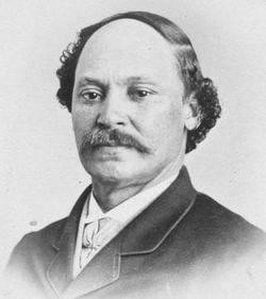
Robert Seldon Duncanson

Robert Seldon Duncanson

1821 - 1872 , Estados Unidos de América

Datos clave

  • Artistas Que Influyeron: ['Thomas Cole']
  • Fecha De Fallecimiento: 21 de diciembre de 1872
  • Fecha De Nacimiento: c. 1821
  • Lugar De Nacimiento: Fayetteville, EE. UU.
  • Movimiento Artístico: Escuela del Río Hudson
  • Nacionalidad: Estadounidense
  • Nombre Completo: Robert Seldon Duncanson
  • Obras Notables:
    • Roses Still Life
    • Waterfall on Mont Morency
    • Vulture and Its Prey
    • Minnenopa Falls, Minnesota
Explore obras de arte organizadas por temas, estilos y características.