Ver en contextoVer en contexto Vista previa en RAVista previa en RA Comprar pintura hecha a mano Comprar pintura hecha a manoCambiar a imagen digital Cambiar a imagen digital EnviarEnviar
DetallesDetalles Añadir a favoritos Añadir a favoritos DescargarDescargar SimilaresSimilares RadiografíaRadiografía Presentación de diapositivasPresentación de diapositivas EstadísticasEstadísticas

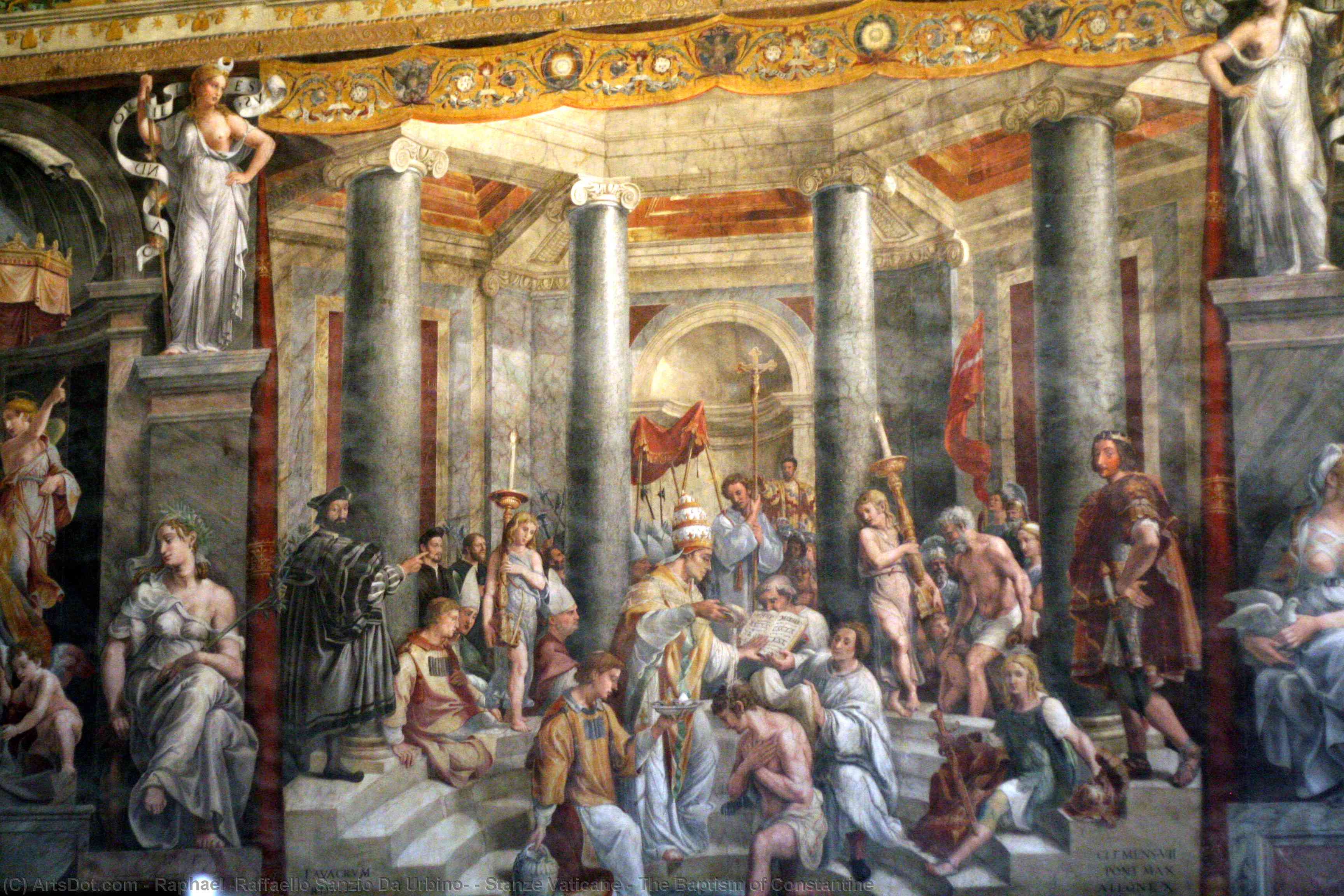
Stanze Vaticane - The Baptism of Constantine

Raphael’s breathtaking Stanze Vaticane – The Baptism of Constantine captures the solemn grandeur of Early Byzantine art, showcasing harmonious composition and luminous color palettes within a masterful fresco depicting Constantine's pivotal baptism.

Descubra a Rafael (1483-1520), el maestro del Alto Renacimiento italiano, reconocido por su gracia, claridad y composiciones armoniosas. Explore obras icónicas como 'La Escuela de Atenas', Madonas y frescos que definen la belleza clásica. #ArteRenacentista #Italia

Giclée / Impresión de arte

Impresiones giclée o en lienzo de calidad de museo con producción rápida y opciones de acabado flexibles. (Comprar pintura hecha a mano Comprar pintura hecha a manoCambiar a imagen digital Cambiar a imagen digital)

P118B $10
P118H $10
P118W $10
P438Z $10
P508JH $12
P508YH $12
P805H $10
P805Z $10
P919BZ $10
P919G $10
P919XJ $10
P959ZH $10
P968JZ $12
W106C $8
W218G $10
W218JH $8
W218Y $10
W307PJ $10
W316G $10
W316PJ $8
W316Y $10
W398PJ $8
W4111J $10
W500HY $15
W500JH $15
W692G $12
W849H $8
W940BG $15
W953PJ $8

Estándar
a medida
CM
INCH

Elija entre nuestros tamaños predefinidos que respetan las proporciones originales de la obra.

ancho
altura

Puede introducir sus propias dimensiones para adaptarse a un marco o espacio específico. Si el tamaño seleccionado no coincide con las proporciones de la imagen original, recortaremos la obra de arte o extenderemos la imagen con un borde con efecto espejo o de color sólido. Se enviará una maqueta digital para su aprobación antes de que comience la producción.
Tenga en cuenta que la vista previa en pantalla no refleja el recorte o la extensión real. Solo la maqueta mostrará con precisión la composición final.
Aunque existen tamaños personalizados, recomendamos seleccionar una dimensión de la lista predefinida para preservar las proporciones originales.

Envío a todo el mundo () en 2 semanas en lugar de las 4/5 semanas estándar. (13 septiembre)

why_choose_icon
Envío exprés gratuito a todo el mundo
why_choose_icon
Lienzo de lino de alta calidad
why_choose_icon
Seguro de envío total
why_choose_icon
Garantía de reembolso de impuestos aduaneros
why_choose_icon
Garantía de fidelidad cromática exacta
why_choose_icon
Política de devolución de 100 días (solo por defectos)
why_choose_icon
Garantía de devolución del 100% del dinero
why_choose_icon
Descuento por cantidad

Precio total

$ 68

reproduction

Stanze Vaticane - The Baptism of Constantine

Giclée / Impresión de arte

Dimensiones de la reproducción

-

Precio total final

$ 68

Datos clave

  • Title: Stanze Vaticane - The Baptism of Constantine
  • Artist: Raphael
  • Movement: Early Byzantine Art
  • Artistic style: Renaissance Style
  • Medium: Fresco
  • Notable elements or techniques: Classical forms & harmonious comp.
  • Subject or theme: Christianity

Stanze Vaticane - The Baptism of Constantine: A Symphony of Faith and Classical Grace

The Stanze Vaticane – The Baptism of Constantine by Raphael stands as an enduring testament to the artistic brilliance of the High Renaissance, a fresco that transcends mere depiction to embody the spiritual fervor of its time. Located within the Apostolic Palace in Rome, this monumental artwork is not simply a visual record; it’s a carefully crafted narrative designed to communicate profound theological concepts through masterful technique and harmonious composition. Its enduring appeal lies in its ability to resonate with viewers across centuries, captivating imaginations with its luminous colors and serene beauty.

Historical Context: Constantine's Conversion and the Dawn of Christian Patronage

The painting commemorates a pivotal moment in European history – Emperor Constantine I’s conversion to Christianity in 312 AD. Prior to this event, Christianity faced persecution under Roman emperors; however, Constantine’s victory at Milvian Bridge marked a dramatic shift, propelling Christianity into the mainstream of imperial power and ushering in an era of unprecedented patronage for religious art. Pope Sylvester I commissioned Raphael to depict this transformative occasion, recognizing the importance of commemorating such a significant spiritual milestone. The fresco reflects the burgeoning humanist spirit of the Renaissance alongside deep-seated Christian beliefs, demonstrating how intellectual curiosity fueled artistic innovation.

Style and Technique: Raphael’s Classical Influence

Raphael's distinctive style is immediately recognizable—a harmonious blend of classical ideals with Byzantine influences. He meticulously studied the sculptures of antiquity, particularly those of Michelangelo Buonarroti, incorporating elements of sculptural form into his fresco cycle. The use of *sfumato*, a technique pioneered by Leonardo da Vinci, lends an ethereal quality to the figures and drapery, blurring outlines and creating subtle gradations of light and shadow that imbue the scene with depth and realism. Raphael’s masterful handling of color—particularly the rich reds and blues—creates a vibrant palette that enhances the emotional impact of the composition. The fresco employs linear perspective, skillfully positioning the viewer within the space depicted and reinforcing the sense of grandeur and solemnity.

Symbolism: Representing Divine Grace and Imperial Legitimacy

The Stanze Vaticane is replete with symbolic imagery designed to convey theological significance. Constantine’s baptism represents purification from sin and acceptance of divine grace—a central tenet of Christian faith. The horse, traditionally associated with imperial power, symbolizes the emperor's dominion over pagan rulers and his embrace of Christianity as a unifying force. Pope Sylvester I stands as a figure of authority and piety, representing the Church’s role in guiding humanity towards spiritual enlightenment. Furthermore, the architectural setting—the Vatican Basilica—underscores the sanctity of the occasion and reinforces its importance within Christian tradition.

Emotional Impact: Tranquility Amidst Triumph

Despite depicting a momentous historical event, Raphael achieves an extraordinary feat of artistic serenity. The figures are rendered with dignified composure, conveying both solemn reverence and palpable emotion. The luminous colors and harmonious composition evoke a sense of tranquility that contrasts sharply with the turbulent political landscape of Constantine’s time. Viewing this fresco inspires contemplation on faith, conversion, and the enduring power of art to communicate profound spiritual truths—a legacy that continues to captivate audiences today.

Biografía del artista

**vida temprana y formación**

Rafael (rafaello sanzio da urbino), un renombrado pintor y arquitecto italiano, nació entre el 28 de marzo y el 6 de abril de 1483, en la pequeña pero culturalmente significativa ciudad de Urbino. Su padre, Giovanni Santi, era pintor de corte para el duque, proporcionando a Rafael una exposición temprana al mundo artístico. Después de fallecer su padre a los once años, Rafael probablemente administró el taller familiar, consolidando aún más su base artística.

**carrera artística e influencias**

El viaje artístico de Rafael puede categorizarse en tres fases distintas, cada una marcada por un estilo único:
  • primeros años en Umbría: caracterizado por la influencia de su padre y el ambiente cultural de Urbino.
  • período florentino (1504-1508): absorbiendo las tradiciones artísticas de Florencia, que influyeron significativamente en su estilo.
  • período romano (1508-1520): trabajando para dos papas y sus asociados, produciendo algunas de sus obras más celebradas, incluyendo la escuela de Atenas en la stanza della segnatura del Vaticano.

**obras notables y legado**

Algunas de las obras notables de Rafael incluyen:

**influencia y legado**

La influencia de Rafael en el arte es profunda, con su obra siendo un pilar del Renacimiento italiano. Su estilo sereno y armonioso ha sido un modelo para la pintura neoclásica, como señaló el historiador de arte Johann Joachim Winckelmann. A pesar de la influencia posterior del estilo de Miguel Ángel, Rafael sigue siendo uno de los artistas más reverenciados en la historia. ver el perfil de Rafael en WahooArt
Rafael

Rafael

1483 - 1520 , Italia

Datos clave

  • Artistas Influyentes:
    • Giovanni Santi
    • Pietro Perugino
  • Estilo Artístico: Alto Renacimiento
  • Fecha De Muerte: 06/04/1520
  • Fecha De Nacimiento: 28/03/1483
  • Influencia En Artistas: Neoclasicismo
  • Lugar De Nacimiento: Urbino, Italia
  • Nacionalidad: Italiano
  • Nombre Completo: Rafael (Raffaello Sanzio)
  • Obras Notables:
    • El Juicio de Salomón
    • Madonna del Cardellino
    • La Escuela de Atenas
    • San Sebastián
    • La Dama Velada
Explore obras de arte organizadas por temas, estilos y características.