Vista previa Vista previa en RA Encargar reproducción pintada a mano Ver versión en imagen digital Compartir
Ver detalles Guía Añadir a favoritos Descargar Ver artículos similares Radiografía Presentación de diapositivas Estadísticas

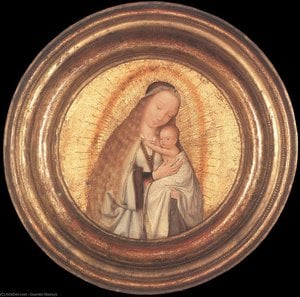
St Christopher

Admire Quentin Massys’ 'St Christopher,' a stunning Northern Renaissance painting of St. Christopher & the Infant Jesus. Explore its realism & rich symbolism – a timeless masterpiece.

Descubre a Quentin Massys: pintor flamenco y fundador de la Escuela de Amberes. Reconocido por sus escenas satíricas, realismo y obras como 'El Cambista y su Esposa'. ¡Explora su legado!

Giclée / Impresión de arte

Impresiones giclée o en lienzo de calidad de museo con producción rápida y opciones de acabado flexibles. ( Encargar reproducción pintada a mano Ver versión en imagen digital)

Corner sample of the P118B picture frame: poliestireno moldeado, 5 cm wide and 3 cm thick
P118B €10
Corner sample of the P118H picture frame: poliestireno moldeado, 5 cm wide and 3 cm thick
P118H €10
Corner sample of the P118W picture frame: poliestireno moldeado, 5 cm wide and 3 cm thick
P118W €10
Corner sample of the P438Z picture frame: poliestireno moldeado, 5.5 cm wide and 3.5 cm thick
P438Z €10
Corner sample of the P508JH picture frame: poliestireno moldeado, 7 cm wide and 3.5 cm thick
P508JH €12
Corner sample of the P508YH picture frame: poliestireno moldeado, 7 cm wide and 3.5 cm thick
P508YH €12
Corner sample of the P805H picture frame: poliestireno moldeado, 5 cm wide and 3.5 cm thick
P805H €10
Corner sample of the P805Z picture frame: poliestireno moldeado, 5 cm wide and 3.5 cm thick
P805Z €10
Corner sample of the P919BZ picture frame: poliestireno moldeado, 7 cm wide and 3.5 cm thick
P919BZ €10
Corner sample of the P919G picture frame: poliestireno moldeado, 7 cm wide and 3.5 cm thick
P919G €10
Corner sample of the P919XJ picture frame: poliestireno moldeado, 7 cm wide and 3.5 cm thick
P919XJ €10
Corner sample of the P959ZH picture frame: poliestireno moldeado, 5 cm wide and 3 cm thick
P959ZH €10
Corner sample of the P968JZ picture frame: poliestireno moldeado, 6 cm wide and 4 cm thick
P968JZ €12
Corner sample of the W106C picture frame: madera maciza, 5 cm wide and 3 cm thick
W106C €8
Corner sample of the W218G picture frame: madera maciza, 5 cm wide and 3 cm thick
W218G €10
Corner sample of the W218JH picture frame: madera maciza, 5 cm wide and 3 cm thick
W218JH €8
Corner sample of the W218Y picture frame: madera maciza, 5 cm wide and 3 cm thick
W218Y €10
Corner sample of the W307PJ picture frame: madera maciza, 6 cm wide and 3 cm thick
W307PJ €10
Corner sample of the W316G picture frame: madera maciza, 6 cm wide and 3 cm thick
W316G €10
Corner sample of the W316PJ picture frame: madera maciza, 6 cm wide and 3 cm thick
W316PJ €8
Corner sample of the W316Y picture frame: madera maciza, 6 cm wide and 3 cm thick
W316Y €10
Corner sample of the W398PJ picture frame: madera maciza, 5 cm wide and 3 cm thick
W398PJ €8
Corner sample of the W4111J picture frame: madera maciza, 6.5 cm wide and 3.5 cm thick
W4111J €10
Corner sample of the W500HY picture frame: madera maciza, 7 cm wide and 5 cm thick
W500HY €15
Corner sample of the W500JH picture frame: madera maciza, 7 cm wide and 5 cm thick
W500JH €15
Corner sample of the W692G picture frame: madera maciza, 8 cm wide and 4 cm thick
W692G €12
Corner sample of the W849H picture frame: madera maciza, 5 cm wide and 3 cm thick
W849H €8
Corner sample of the W940BG picture frame: madera maciza, 7.5 cm wide and 4.5 cm thick
W940BG €15
Corner sample of the W953PJ picture frame: madera maciza, 6 cm wide and 3.5 cm thick
W953PJ €8

Estándar
personalizado
CM
INCH

Elija entre nuestros tamaños predefinidos que respetan las proporciones originales de la obra.

ancho
altura

Introduzca el ancho y el alto que necesite para adaptarse a su marco o pared. Una impresión solo puede recortarse, nunca hacerse más grande que la imagen original, por lo que un tamaño con una forma distinta perderá parte de la obra. Le enviaremos una maqueta digital para su aprobación antes de realizar cualquier impresión. La imagen que se muestra en esta página no refleja el recorte real; solo la maqueta lo hace.

Envío a todo el mundo () en 2 semanas en lugar de las 4/5 semanas estándar. (22 octubre)

Envío exprés gratuito a todo el mundo
Lienzo de lino de alta calidad
Seguro de envío completo
Garantía de reembolso de impuestos aduaneros
Garantía de fidelidad cromática exacta
Política de devolución de 100 días (solo por defectos)
Garantía de devolución del 100% del dinero
Oferta por volumen

Precio total

€ 60

St Christopher

Giclée / Impresión de arte

Tamaño de la reproducción

-

Precio total

€ 60

Datos clave

  • Location: Allentown Art Museum
  • Influences: Eyckian work
  • Movement: Northern Renaissance
  • Year: c. 1490
  • Title: St Christopher
  • Artistic style: Realistic, detailed

Cuestionario de arte

Cada pregunta tiene una única respuesta correcta.

Pregunta 1:
What is the primary subject depicted in Quentin Massys’ ‘St. Christopher’?
Pregunta 2:
According to the image description, what is a key element used in the painting's lighting?
Pregunta 3:
Quentin Massys is considered a key figure in which artistic movement?
Pregunta 4:
What is the approximate date of creation for ‘St. Christopher’ as indicated in the provided information?
Pregunta 5:
The image description highlights a specific detail about the artist's signature. What is this detail?

The Icon of Pilgrimage and Divine Grace

Quentin Massys’ “St. Christopher,” a painting radiating the quiet intensity of the Northern Renaissance, isn't merely a depiction of a biblical figure; it’s an invitation into a world of profound symbolism and spiritual contemplation. Executed around 1490 in Leuven, Belgium, this work stands as a testament to Massys’ skill in capturing both the physical presence and the ethereal quality of faith. The painting immediately draws the eye with its carefully orchestrated composition – a giant, powerfully rendered St. Christopher, his muscular frame draped in a rich red robe, bears upon his shoulders the infant Jesus, radiating an almost palpable serenity. The scene unfolds against a subtly textured background, dominated by a dark river that serves not as a mere backdrop but as a potent symbol of life’s journey and the challenges faced along its course.

Massys' mastery lies in his ability to imbue this familiar narrative with an arresting realism. The details are meticulously observed: the deep lines etched into Christopher’s face, hinting at age and experience; the delicate folds of his robe, rendered with a painstaking attention to texture; even the subtle expression on the infant Jesus’ face – a quiet acceptance and trust. This commitment to realistic representation is characteristic of the Northern Renaissance, where artists sought to capture the world as it truly appeared, imbued with religious significance.

A Tapestry of Symbolism

Beyond its immediate visual appeal, “St. Christopher” is rich in symbolic meaning. The saint himself represents a powerful allegory: he embodies the willingness to carry the burdens of others – both literally and metaphorically. His role as a ferryman across the river becomes an extended metaphor for life’s trials and tribulations, with Christ representing divine grace offering solace and guidance. The infant Jesus, cradled securely on Christopher's shoulders, symbolizes innocence, divinity, and the promise of salvation. The dark waters of the river are not simply a geographical feature; they represent the uncertainties and dangers that lie ahead, while the distant cliffs suggest the potential for spiritual ascent.

The color palette further enhances the painting’s symbolic weight. The vibrant red of Christopher's robe signifies sacrifice and passion, while the blue garment of the infant Jesus evokes purity and heavenly light. The limited use of color – primarily reds, blues, and browns – creates a sense of solemnity and focus, directing the viewer’s attention to the central figures and their profound interaction.

The Legacy of Quentin Massys

Quentin Massys (c. 1466-1530) was a pivotal figure in the development of the Antwerp School, a movement that revitalized Northern European painting during the High Renaissance. His work often blended realistic depictions with allegorical and moralistic themes, reflecting the intellectual currents of his time. He was known for his satirical scenes, portraits, and religious works, demonstrating a remarkable versatility as an artist. Massys’ influence extended beyond his own creations; he mentored several prominent artists, including Jan van der Veluwe and Joachim Patinir, shaping the artistic landscape of Antwerp for generations to come.

The “St. Christopher” exemplifies Massys' ability to seamlessly integrate religious iconography with humanistic observation. It’s a painting that invites contemplation on themes of faith, sacrifice, and the enduring power of compassion – qualities that continue to resonate deeply with viewers today. Reproductions of this masterpiece offer a tangible connection to a remarkable artistic legacy.

Preguntas y respuestas

¿De dónde vienen los visitantes de "St Christopher" de Quentin Matsys?

Las estadísticas sobre "St Christopher" de Quentin Matsys se encuentran en la página de Estadísticas de la obra: visitas mensuales de la obra, visitas a las obras del artista y desgloses por país e idioma de los visitantes recientes.

¿Cómo encaja "St Christopher" con los temas y el estilo de Quentin Matsys?

Dentro de la obra de Quentin Matsys, "St Christopher" se inscribe en el estilo Northern Renaissance, junto a los temas de northern renaissance influence, biblical narrative depiction, saint christopher's devotion, humanism & classical ideals, flemish artistic tradition, early 16th-century style, massys' satirical undertones.

¿Dónde debería colgarse una reproducción de "St Christopher" de Quentin Matsys?

El formato Portrait de "St Christopher" de Quentin Matsys es ideal para un Living Room. El formato y el espacio orientan conjuntamente la ubicación de una reproducción.


Biografía del artista

El Arquitecto de la Escuela de Amberes

En el vibrante y floreciente paisaje de los Países Bajos del siglo XVI, pocos nombres resuenan con una importancia fundacional tan profunda como el de Quentin Massys. Aclamado a menudo como el pionero de la Escuela de Amberes, Massys fue un pintor que tendió un puente entre la meticulosa y espiritual devoción de la tradición flamenca primitiva y el creciente humanismo del Renacimiento Nórdico. Nacido alrededor de 1466 en Lovaina, Bélgica, los primeros años de su vida permanecen como un tapiz de leyendas y fragmentos históricos. Se susurra ampliamente en la historia del arte que, antes de empuñar un pincel fino, fue formado como herrero, un detalle que otorga un peso táctil y profundo a su maestría posterior sobre la textura y el material. Esta formación en la metalurgia probablemente le infundió una reverencia única por el mundo físico, permitiéndole representar el brillo de la seda, el destello frío de la moneda y la piel curtida de la humanidad con una precisión sin igual.

Al trasladarse de la atmósfera académica de Lovaina al bullicioso centro comercial de Amberes hacia 1490, Massys comenzó a tejer su propio hilo distintivo en el tejido del arte flamenco. Su formación temprana, posiblemente bajo la guía de Dirk Bouts, lo conectó con el linaje de maestros como Hans Memling y Rogier van der Weyden. De estos predecesores heredó una devoción por la verosimilitud: la búsqueda de la verdad en la representación. Sin embargo, Massys estaba lejos de ser un mero imitador. Si bien mantuvo el exquisito detalle característico de sus antepasados, infundió su obra con una vitalidad nueva y creciente, junto a una voluntad de explorar las complejías de la condición humana a través tanto de la solemnidad religiosa como del mordaz comentario social.

Una Maestría entre la Devoción y la Sátira

La brillantez de Massys reside en su notable capacidad para navegar entre dos mundos aparentemente dispares: lo sagrado y lo profano. Por un lado, sus composiciones religiosas sirven como profundas meditaciones sobre la fe. En obras como Cristo en la Cruz con Donantes, captura la cruda y emocional gravedad de la crucifixión, utilizando una sensibilidad del Alto Renacimiento para presentar una escena que es tanto profundamente conmovedora como técnicamente impecable. Su habilidad para representar lo divino a través del lente del sufrimiento humano permitió que sus temas religiosos resonaran con una intimidad visceral, haciendo que lo espiritual fuera palpable para el espectador.

Por el contrario, Massys fue un maestro del género satírico, utilizando su pincel para sostener un espejo ante la cambiante moral social de su época. Poseía un ojo agudo para las debilidades de la humanidad, creando a menudo escenas que mezclaban el realismo con un ingenio sutil y burlón. Esta dualidad es quizás más evidente en su enfoque del retrato y la pintura de género, donde podía pasar de la serena belleza de una Virgen y el Niño a las representaciones más complecho y moralmente estratificadas de la vida contemporánea. Su obra exploró con frecuencia temas como la codicia, la vanidad y la tensión entre la riqueza material y la pureza espiritual, convirtiéndolo en un precursor de los grandes pintores de género que vendrían en los siglos posteriores.

Legado y Significado Artístico

La importancia histórica de Quentin Massys es incalculable; fue el catalizador de una revolución artística en Amberes. Al introducir nuevos motivos y técnicas, permaneciendo al mismo tiempo anclado en las ricas tradiciones de su tierra natal, proporcionó el modelo para una escuela de pintura que dominaría Flandes durante todo el siglo XVI. Su influencia puede rastrearse a través de la evolución del arte del norte de Europa, ya que allanó el camino para un estilo más expresivo y observacional que abrazó las complejidades del mundo en modernización.

Hoy, recordamos a Massys no solo como un artesano, sino como un narrador que capturó el alma de una era. Su legado se preserva en el poder perdurable de su imaginería:

  • Innovación Técnica: La integración perfecta de la precisión inspirada en la metalurgia con la gracia fluida de la pintura al óleo renacentista.
  • La Escuela de Amberes: El establecimiento de un movimiento artístico duradero que priorizó tanto el realismo como la narrativa moral.
  • Perspectiva Humanista: Una capacidad única para combinar la profunda santidad de los iconos religiosos con el ingenio agudo y observador de la sátira social.
A través de sus manos, lo espiritual y lo terrenal se unieron en un diálogo singular y asombroso, asegurando su lugar como uno de los verdaderos maestros del Renacimiento Nórdico.

Quentin Matsys

Quentin Matsys

1466 - 1530 , Bélgica

Datos clave

  • Artistic Movement Or Style: Antwerp School
  • Artists Or Movements Influenced By This Artist: ['Hans Memling']
  • Artists Who Influenced This Artist: ['Dirk Bouts']
  • Date Of Birth: Leuven, Belgium (c. 1466)
  • Date Of Death: Antwerp (1530)
  • Full Name: Quentin Massys
  • Nationality: Flemish
  • Notable Artworks:
    • St Anne Altarpiece
    • The Moneylender and His Wife
  • Place Of Birth: Leuven
Explore obras de arte organizadas por temas, estilos y características.