Biografía del artista
A Legacy Forjada en Piedra: La Vida y el Arte de Pierre-Jean David d’Angers
Nacido en Angers, Francia, en 1788, Pierre-Jean David comenzó su viaje artístico inmerso en el fervor republicano que definiría gran parte de su vida y obra. Inicialmente aprendiz de un carpintero local – su padre – joven David demostró rápidamente una aptitud para la escultura que lo impulsó hacia ambiciones más elevadas. Llegó a París en 1808, una ciudad rebosante tanto de tradición clásica como de espíritu revolucionario, buscando tutela bajo Philippe-Laurent Roland en la École des Beaux-Arts. Este período fue formativo, arraigándolo en principios neoclásicos al tiempo que lo exponía simultáneamente al auge del movimiento romántico. Un momento decisivo llegó en 1809 cuando entró al estudio de Jacques-Louis David, adoptando el nombre “David d’Angers” no solo como designación profesional sino también como una afirmación consciente de la ascendencia y la ambición artística – una distinción del celebrado maestro. Esta adopción significó un deseo de forjar su propio camino mientras reconocía la profunda influencia del pintor más destacado de la época. Las primeras dificultades marcaron sus años parisinos, sin embargo, perseveró, ganando reconocimiento con obras como “Othryades” en 1810 y finalmente asegurándose el prestigioso Prix de Rome en 1811 por su escultura "Epaminondas".
De la Reverencia Romana al Maestarío Neoclásico
El tiempo que David d’Angers pasó en Roma, de 1811 a 1816, resultó transformador. Inmerso en el mundo de la antigüedad clásica y bajo la influencia de maestros como Antonio Canova, su visión artística maduró. Absorbió los ideales de la escultura griega – su énfasis en la forma idealizada, la narrativa heroica y la restricción emocional – pero comenzó a infundir estos principios con una sensibilidad distintamente personal. Este período no se limitó al estudio académico; también fue uno de despertar político. La restauración de la monarquía borbónica en Francia proyectó una sombra sobre su regreso, provocando un breve viaje a Inglaterra donde conoció a Victor Hugo, quien lo alabó como el "Michelangelo de París". De vuelta en París, sin embargo, su talento encontró pronto favor. Se convirtió en reconocido por sus medallones de retrato – representaciones visuales psicológicamente perspicaces e increíblemente detalladas de figuras prominentes – así como esculturas monumentales que celebraban la virtud cívica y los héroes nacionales. Su trabajo en el Arco del Triunfo y el Louvre demostró un dominio temprano de proyectos a gran escala, estableciéndolo como un escultor capaz de abordar encargos ambiciosos.
Un Escultor de Héroes e Ideales
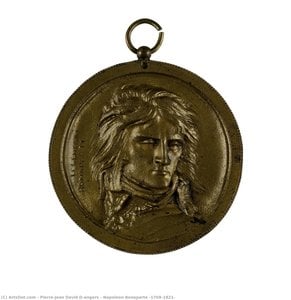
La producción artística de David d’Angers fue notablemente diversa, abarcando estatuas, relieves, tumbas y, más notablmente, medallones de retrato. Poseía una extraordinaria capacidad para capturar no solo la semejanza física sino también el carácter interior de sus sujetos. Sus retratos no eran simplemente representaciones; eran interpretaciones – impregnadas de un sentido de dignidad, inteligencia y fuerza moral. Entre sus obras celebradas se encuentran “Wounded Philopoemen”, alojada en el Louvre, una representación conmovedora del destino trágico del general griego, y "La Douleur", que demuestra su maestría en la expresión emocional. Sin embargo, sus encargos monumentales fueron los que realmente consolidaron su reputación. La escultura pedimentaria para el Panteón de París es quizás su mayor logro – una representación alegórica expansiva de la patriotismo francés y del patrimonio intelectual. Otras obras notables incluyen el monumento a Gutenberg en Estrasburgo y la estatua ecuestre de General Gobert en el cementerio Père Lachaise, ambos testimonios de su habilidad para transmitir poder y dinamismo a través de la forma esculpida. También creó un retrato de Lafayette para el Congreso estadounidense, un símbolo de la amistad franco-americana.
Influencias y Desarrollo Artístico
La formación artística de David d’Angers estuvo profundamente influenciada por las corrientes intelectuales y políticas de su época. El neoclasicismo, con su énfasis en la razón, el orden y la armonía, proporcionó un marco conceptual para su trabajo. Sin embargo, también se sintió atraído por el romanticismo, que valoraba la emoción, la imaginación y la individualidad. La visita a Roma fue crucial para su desarrollo, ya que le permitió estudiar de cerca las obras de los grandes escultores clásicos y renacentistas, así como de sus contemporáneos. El encuentro con Jacques-Louis David, su maestro, también tuvo un impacto significativo en su estilo, aunque David buscó establecer su propia identidad artística distinta. Su trabajo evolucionó a lo largo de su carrera, desde las primeras obras neoclásicas hasta los trabajos más tardíos que incorporaron elementos románticos y expresionistas.
Significado Histórico e Legado
Pierre-Jean David d’Angers fue más que un escultor; fue un producto de su tiempo – un testigo de la revolución, el imperio y la restauración. Su arte refleja las corrientes políticas e intelectuales que moldearon a la Francia del siglo XIX. Abrazó los ideales republicanos, celebrando figuras que encarnaban el coraje, la integridad y la dedicación al servicio público. Si bien firmemente arraigado en la tradición neoclásica, su obra también prefiguró el surgimiento del romanticismo, con su énfasis en la intensidad emocional y la narrativa dramática. Su influencia se extendió más allá del ámbito de la escultura, inspirando a generaciones de artistas y dando forma al paisaje visual de Francia. Hoy en día, sus obras se encuentran en museos destacados en todo el mundo, incluyendo el Museo Walters de Arte en Baltimore y el Metropolitan Museum of Art en Nueva York. El Musée David en Angers sirve como un repositorio dedicado de su arte, preservando su legado para las generaciones futuras. *David d’Angers permanece una figura convincente – un escultor que no solo capturó los retratos de héroes sino que también encarnaba el espíritu de una época.* Su capacidad para combinar la forma clásica con la expresión romántica sigue resonando en el público actual, consolidando su lugar como uno de los artistas más importantes y perdurables de Francia.



 Cambiar a formato impreso
 Compartir
 Compartir
 Ver detalles
 Guía
Guía

 Descargar
 Ver artículos similares
 Presentación de diapositivas
 Estadísticas


 Leer más






































 La opción de vidrio solo está disponible en tamaños inferiores a 110 cm.