Biografía del artista
Un Maestro de Brujas: La Vida y el Arte de Petrus Christus
Petrus Christus, un nombre quizás menos inmediatamente reconocible que sus contemporáneos Jan van Eyck o Rogier van der Weyden, sin embargo ocupa una posición fundamental en el desarrollo de la pintura del Norte de los Países Bajos. Nacido alrededor de 1465 en Baarle-Hertog, un pequeño ducado que se extiende sobre la frontera entre Bélgica y los Países Bajos, Christus surgió como uno de los artistas más destacados que trabajaron en Brujas durante un período de innovación artística sin precedentes. Si bien los detalles biográficos siguen siendo escasos —un destino común para muchos pintores de la época—, sus obras sobrevivientes hablan volúmenes sobre su destreza técnica, curiosidad intelectual y profundo entendimiento tanto del simbolismo religioso como de las incipientes posibilidades de la pintura al óleo. No fue meramente un seguidor en los pasos de Van Eyck; fue un innovador que empujó sutil pero significativamente los límites del realismo y la perspectiva, dejando una marca indeleble en el panorama artístico del siglo XV.
Carrera Temprana y Fundamentos Artísticos
Christus aparece por primera vez en registros históricos en 1444 como maestro pintor en Brujas, lo que sugiere que se sometió a un aprendizaje exhaustivo, aunque la identidad de su maestro sigue siendo desconocida. Lo que sí está claro es que se estableció rápidamente dentro de la próspera comunidad artística de la ciudad. Tras la muerte de Jan van Eyck en 1441, Christus ocupó un vacío, convirtiéndose en uno de los artistas más solicitados de Brujas. Su obra temprana demuestra una aguda conciencia de las técnicas de Van Eyck: el detalle meticuloso, la calidad luminosa de la pintura al óleo y la riqueza simbólica incrustada en objetos aparentemente ordinarios. Sin embargo, no se limitó a imitar a su predecesor. Christus comenzó a desarrollar un estilo distintivo caracterizado por un mayor énfasis en la claridad, los escenarios arquitectónicos y una comprensión cada vez más sofisticada de la perspectiva lineal. También absorbió influencias de Rogier van der Weyden, particularmente en su habilidad para transmitir profundidad emocional e intensidad espiritual.
Innovaciones en Perspectiva y Realismo
La contribución más significativa de Christus reside en su magistral aplicación de la perspectiva lineal. Si bien Van Eyck había empleado un grado de retracción espacial en su obra, Christus lo llevó más allá, creando pinturas con una sensación de profundidad y tridimensionalidad notablemente convincente. Esto es particularmente evidente en obras como la Virgen María con el Niño, ahora alojada en la National Gallery, donde el fondo arquitectónico retrocede hacia la distancia con precisión matemática. Él no se limitó a crear espacios realistas; utilizó la perspectiva para atraer al espectador *dentro* de la escena, fomentando una conexión más íntima con la materia. Esto no fue meramente un ejercicio técnico; sirvió para aumentar el impacto espiritual de la pintura, invitando a la contemplación y la devoción. Su técnica meticulosa —la superposición de veladuras finas de pintura al óleo para lograr una luminosidad y un detalle sin paralelo— mejoró aún más este sentido de realismo. Cada textura, desde los pliegues de la tela hasta el brillo del metal, es representada con asombrosa exactitud.
Obras Maestras y Lenguaje Simbólico
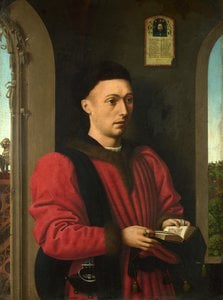
Más allá de la Virgen María con el Niño, Christus produjo una serie de otras obras notables que exhiben su habilidad artística y profundidad intelectual. El Retrato de un Joven, actualmente en el Museo Thyssen-Bornemisza, es un ejemplo particularmente convincente de su capacidad para capturar el carácter humano. La mirada del retratado es directa y atractiva, transmitiendo una sensación de inteligencia y autoconciencia. La pintura también revela el sutil uso del simbolismo por parte de Christus: la vela encendida puede representar a Cristo como la luz del mundo, mientras que la naranja en el alféizar podría aludir a la pureza y la virtud. Incorporó frecuentemente tales elementos simbólicos en sus pinturas, enriqueciendo su significado más allá de lo puramente visual. Otra obra importante es El Juicio Final, una composición compleja que demuestra su habilidad para representar múltiples figuras dentro de un espacio dinámico.
Legado e Importancia Histórica
Petrus Christus murió en Brujas en 1476, dejando tras de sí un cuerpo de trabajo relativamente pequeño pero profundamente influyente. Sus innovaciones con la perspectiva lineal y la técnica meticulosa tuvieron un impacto duradero en las generaciones posteriores de pintores. Aunque no fundó un gran taller ni atrajo a numerosos seguidores, su estilo fue absorbido por otros artistas que trabajaron en la región, contribuyendo al desarrollo más amplio de la pintura del Renacimiento del Norte. Tendió un puente entre el estilo Gótico Internacional y las tendencias más naturalistas del siglo XV, allanando el camino para artistas como Hans Memling y Hugo van der Goes. Hoy en día, Petrus Christus es reconocido como una figura clave en el arte del Norte de los Países Bajos: un maestro artesano cuyas pinturas continúan cautivando a los espectadores con su belleza, realismo y profundidad intelectual. Su obra ofrece una ventana única al mundo artístico y religioso de Brujas en el siglo XV, recordándonos el poder de la pintura para reflejar y moldear nuestra comprensión de la realidad.



 Vista previa
 Encargar reproducción pintada a mano
 Compartir
 Compartir
 Ver detalles
 Guía
Guía

 Descargar
 Ver artículos similares
 Radiografía
 Presentación de diapositivas
 Estadísticas


 Leer más






































 La opción de vidrio solo está disponible en tamaños inferiores a 110 cm.