Ver en contextoVer en contexto Vista previa en RAVista previa en RA Cambiar a Impresión Cambiar a ImpresiónComprar pintura hecha a mano Comprar pintura hecha a mano EnviarEnviar
DetallesDetalles Añadir a favoritos Añadir a favoritos DescargarDescargar SimilaresSimilares RadiografíaRadiografía Presentación de diapositivasPresentación de diapositivas EstadísticasEstadísticas

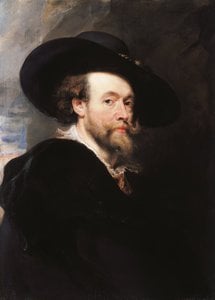
Galileo Galilei

El maestro retrato de Rubens captura la mirada contemplativa de Galileo Galilei entre la grandeza del Barroco: un testimonio de la ciencia y el humanismo. Explore esta obra icónica del pintor flamenco para su colección.

Sir Peter Paul Rubens: Maestro del Barroco flamenco. Famoso por composiciones dinámicas, colores vibrantes y obras icónicas como 'La Masacre de los Inocentes'. Descubre su vida y arte.

Adquiera una imagen digital de alta resolución y optimizada, muy superior a la vista previa en línea.

Cada archivo es preparado meticulosamente por nuestros especialistas internos mediante el uso de herramientas avanzadas y un experto retoque manual. Nos aseguramos de que cada imagen posea una claridad excepcional, una precisión cromática impecable y un detalle minucioso.

El archivo final se entrega por correo electrónico en un plazo de 72 horas, optimizado para su uso inmediato en entornos profesionales, editoriales y de impresión. Esta es la misma calidad en la que confían los estudios de diseño, las editoriales y las galerías de primer nivel.

Imagen Digital

Descarga un archivo de alta resolución para exhibición personal, impresión y proyectos creativos. (Cambiar a Impresión Cambiar a ImpresiónComprar pintura hecha a mano Comprar pintura hecha a mano)

Precio total

$ 24,90

Incluido en cada pedido de imágenes digitales

Entrega digital experta, garantizada.

Al elegir WahooArt.com, no solo está adquiriendo una imagen; está recibiendo una obra de arte digital mejorada profesionalmente, elaborada con precisión y respaldada por una garantía de satisfacción. Esto es todo lo que incluye su pedido, automáticamente:

shipping_icon
Entrega rápida por email

Recibirá su archivo de imagen digital en alta resolución por correo electrónico en un plazo de 72 horas tras realizar su pedido, listo para su uso inmediato.

canvas_icon
Archivo digital optimizado por IA

Su obra de arte se optimiza profesionalmente mediante herramientas avanzadas de IA y edición manual, garantizando el máximo detalle, claridad y precisión cromática.

insurance_icon
Reenvío gratuito de por vida

¿Has borrado o perdido tu archivo por error? No te preocupes: te lo volveremos a enviar en cualquier momento, sin coste adicional.

tax_icon
Sin gastos de importación, siempre

Disfrute de su obra de arte al instante sin aduanas, aranceles ni gastos de envío; las descargas digitales siempre están libres de impuestos.

color_icon
Garantía de fidelidad de color

Garantizamos que su imagen digital refleje los colores originales con la mayor fidelidad posible, mediante el uso de herramientas profesionales y gestión del color.

return_icon
Garantía de satisfacción de 100 días

Si no está satisfecho con su imagen digital, la revisaremos o le reembolsaremos el 100% en un plazo de 100 días, sin preguntas.

guarantee_icon
100% Garantía de devolución de dinero

¿No está satisfecho? Obtenga un reembolso completo dentro de los 100 días posteriores a la recepción de su archivo digital, sin preguntas.

discount_icon
Descuentos por pedidos grandes

Compra 3 imágenes, ahorra 10% - Compra 5, ahorra 15% - Compra 10+, ahorra 20%. Ideal para proyectos creativos, galerías y agencias.

Datos clave

  • Dimensions: 77 x 64 cm
  • Artist: Rubens
  • Location: Private Collection
  • Artistic style: Dramatic realism
  • Year: 1630
  • Influences: Renaissance
  • Notable elements or techniques: Detailed portraiture

Un Retrato Imbuido de Reflexión Cósmica

  • Tema: Este impactante retrato representa a Galileo Galilei, el astrónomo italiano cuyas observaciones revolucionarias transformaron nuestra comprensión de la mecánica celeste y desafiaron los dogmas establecidos durante el Renacimiento.
  • Artista: Ejecutada por Sir Peter Paul Rubens, un titán del arte barroco, esta obra maestra ejemplifica su estilo distintivo, caracterizado por paletas de colores opulentas, composiciones dinámicas y una magistral representación anatómica.
  • Estilo y Técnica: El enfoque de Rubens se alinea perfectamente con la estética barroca, priorizando la expresión dramática y transmitiendo grandeza. La pintura utiliza óleo sobre lienzo, empleando una técnica conocida como sfumato, una sutil transición de tonos que crea una cualidad etérea y suaviza los contornos, particularmente alrededor del rostro de Galileo.
  • Contexto Histórico: Creado en 1630, el retrato surgió durante el turbulento periodo de Galileo tras su juicio por herejía. Rubens captura con destreza el fervor intelectual de la época, reflejando la floreciente revolución científica junto a las sensibilidades artísticas del momento. La obra evoca una conversación más amplia sobre la razón frente a la fe y desafía al espectador a contemplar las profundas implicaciones del descubrimiento científico.
  • Simbolismo e Impacto Emocional: La mirada baja de los ojos de Galileo está cargada de simbolismo, representando la contemplación, la introspección y, quizás, incluso el pesar por la persecución que sufrió. La túnica verde sirve como un ancla visual contra el fondo monocromático, simbolizando la esperanza y la renovación en medio de la adversidad. En conjunto, la pintura trasciende el mero parecido físico; encarna el espíritu de la curiosidad intelectual y la convicción inquebrantable, cualidades que continúan inspirando admiración siglos después.

Examen Detallado: La Maestría Barroca de Rubens

La meticulosa atención al detalle de Rubens es evidente en cada pincelada. La técnica del sfumato, perfeccionada por el artista, otorga un aire de misterio y profundidad al rostro de Galileo, capturando no solo su apariencia física, sino también transmitiendo una sensación de agitación interna. Se puede observar cómo Rubens utiliza hábilmente el claroscuro —esos dramáticos contrastes entre luz y sombra— para esculpir la forma de Galileo y enfatizar el poder expresivo de su mirada. Esta manipulación magistral de los valores tonales contribuye significando a la resonancia emocional de la pintura.

Paleta de Colores y Composición

La paleta predominantemente monocromática, compuesta principalmente por blanco y negro, funciona como un contrapunto deliberado al uso vibrante del color que Rubens emplea en otras partes de su obra. La colocación estratégica de la túnica verde atrae la mirada hacia arriba, creando un equilibrio visual y reforzando sutilmente los temas de aspiración y resiliencia. Además, Rubens emplea una composición piramidal, posicionando a Galileo centralmente dentro del encuadre, un recurso compositivo utilizado con frecuencia durante el periodo Barroco para transmitir estabilidad y grandeza.

Legado y Reproducción

“Galileo Galilei” de Rubens se erige como un testimonio perdurable de la intersección entre el arte y la ciencia. La obra ejemplifica el ideal barroco de retratar el intelecto humano junto con la profundidad emocional, incitando a los espectadores a considerar tanto el mundo observable como el paisaje interior de la conciencia. WahooArt.com ofrece reproducciones excepcionalmente detalladas que capturan fielmente los matices de la técnica y la visión artística de Rubens, permitiendo que tanto coleccionistas como diseñadores de interiores experimenten de primera mano esta obra icónica.

Biografía del artista

A Life Forged in Baroque Splendor

Sir Peter Paul Rubens, a name synonymous with the very essence of Baroque dynamism, was far more than simply a painter; he was a diplomat, a scholar, and a cultural architect who fundamentally reshaped the artistic landscape of 17th-century Europe. Born in Siegen, Germany, in 1577, his early life was marked by displacement—a formative experience that subtly permeated his later work with an undercurrent of drama and emotional depth. His father, Jan Rubens, a lawyer fleeing religious persecution for his Calvinist beliefs, uprooted the family from their native Antwerp, then under Spanish rule. This initial exile instilled in young Peter Paul a sense of resilience and adaptability—qualities that would serve him well throughout his multifaceted career. Following his father’s death in 1587, the family returned to Antwerp, where he received a humanist education before embarking on his artistic training around 1590, apprenticing under Tobias Verhaecht and Adam van Noort, honing foundational skills in drawing and painting techniques. However, it was his time with Otto van Veen that proved pivotal, exposing him to the rich legacy of Italian Renaissance art—a world he would soon embrace wholeheartedly.

The Italian Awakening and Artistic Synthesis

In 1600, Rubens embarked on a transformative journey to Italy, a pilgrimage that irrevocably shaped his artistic vision. For eight years, he immersed himself in the masterpieces of Michelangelo, Raphael, and Titian, absorbing their mastery of form, color, and composition. The influence of these Renaissance giants is readily apparent in his early Italian works, characterized by classical themes and idealized figures—a testament to his meticulous study of antiquity. Yet, Rubens didn’t merely imitate; he synthesized these influences with his own innate talent, developing a distinctive style marked by vibrant hues, dynamic compositions, and a sensuous depiction of the human form. He studied anatomy meticulously, resulting in figures that possessed both physical realism and emotional power—robust bodies imbued with life and movement. This period wasn’t solely about artistic development; it was a profound intellectual awakening, fostering a deep appreciation for classical mythology and literature which would become recurring motifs throughout his oeuvre. The intensity of the Italian light, the dramatic use of color, and the sheer scale of the works he encountered profoundly impacted his approach to painting. Upon returning to Antwerp in 1608, Rubens swiftly established himself as the leading artist of his time, receiving a flood of commissions that testified to his burgeoning reputation and solidifying his position at the forefront of Flemish art.

A Master of Many Forms: Painting Beyond Boundaries

Rubens’s artistic output was astonishingly diverse and prolific. He didn't confine himself to a single genre; instead, he excelled in history paintings, mythological scenes, portraits, landscapes, and religious works—a testament to his versatility and boundless creativity. His large-scale canvases, often intended for churches, palaces, and public spaces, were breathtaking displays of technical virtuosity and dramatic storytelling. The Descent from the Cross (c. 1616-1617) exemplifies his masterful use of light and shadow to create a scene of profound emotional intensity—a moment of grief and sacrifice rendered with unparalleled drama. The Raising of the Cross (1610-1611), with its swirling figures and dynamic composition, showcases his ability to convey movement and energy—a hallmark of his Baroque style. Even in seemingly static subjects like The Judgement of Paris (c. 1636), Rubens infused a sense of life and vitality through his vibrant color palette and sensual depiction of the human form. His technique was equally remarkable – a masterful command of oil painting, employing impasto to create texture and depth, alongside delicate glazing techniques to achieve luminous effects. He frequently employed allegorical figures and symbolic imagery, layering narratives with complex meanings that invited contemplation and interpretation. Rubens’s workshop produced an astonishing volume of work, often involving numerous assistants who helped him realize his ambitious visions.

The Diplomatic Years and Legacy

Beyond his artistic achievements, Rubens played a significant role in the political affairs of Europe. His diplomatic skills were highly sought after by the Southern Netherlands (modern-day Belgium), and he undertook numerous missions to England, France, and Spain, negotiating treaties and fostering political alliances—a unique dual role that afforded him a nuanced perspective on European affairs and further enhanced his reputation as a man of intellect and influence. In 1622, Rubens was commissioned by Maria de Medici, widow of King Henry IV of France, to decorate two entire galleries in her palace at Versailles. This ambitious project proved fraught with difficulties due to the Queen’s unpredictable nature and the interference of Cardinal Richelieu, ultimately leading to its incomplete abandonment. Despite this setback, Rubens continued his diplomatic endeavors, traveling extensively throughout Europe and solidifying his connections with powerful figures. In 1625, a devastating plague swept through Antwerp, claiming the lives of many residents, including Rubens’s beloved wife, Isabella Brant. This profound loss deeply affected him, yet he persevered in his work, continuing to paint and serve as a diplomat until his death in 1640. His legacy extends far beyond his artistic creations; he is remembered as a pioneering figure who bridged the gap between art and politics, leaving an indelible mark on the cultural landscape of Europe.

Key Characteristics of Rubens’s Style

  • Dynamic Composition: Rubens' paintings are known for their energetic and dramatic arrangements of figures—a hallmark of Baroque art.
  • Vibrant Color Palette: He employed a rich, warm color scheme that brought his canvases to life—often utilizing contrasting hues to heighten drama.
  • Sensuous Figures: His depictions of the human form were characterized by fullness, vitality, and often, overt sensuality—reflecting the Renaissance ideal of beauty.
  • Masterful Use of Light and Shadow: Rubens skillfully manipulated light and shadow to create depth, drama, and emotional impact—a technique known as chiaroscuro.
  • Allegorical Symbolism: His works frequently incorporated allegorical figures and symbolic imagery, adding layers of meaning and complexity.

Pedro Pablo Rubens

Pedro Pablo Rubens

1577 - 1640 , Alemania

Breves datos

  • Artistic Movement Or Style: Barroco
  • Artists Or Movements Influenced By This Artist:
    • Van Dyck
    • Jordaens
  • Artists Who Influenced This Artist:
    • Miguel Ángel
    • Rafael
    • Tiziano
  • Date Of Birth: 1577
  • Date Of Death: 1640
  • Full Name: Sir Peter Paul Rubens
  • Nationality: Flamenco
  • Notable Artworks:
    • Descenso de la Cruz
    • Rayo de luz
  • Place Of Birth: Siegen, Alemania