Ver en contexto Vista previa en RA Comprar pintura hecha a mano Cambiar a imagen digital Enviar
Detalles Guía Añadir a favoritos Descargar Similares Radiografía Presentación de diapositivas Q&A Estadísticas

Ceres y Pan

Vive el opulento Barroco de Rubens con Ceres y Pan, una vibrante oda a la abundancia. ¡Descubre esta obra y llena tu espacio de belleza!

Sir Peter Paul Rubens: Maestro del Barroco flamenco. Famoso por composiciones dinámicas, colores vibrantes y obras icónicas como 'La Masacre de los Inocentes'. Descubre su vida y arte.

Giclée / Impresión de arte

Impresiones giclée o en lienzo de calidad de museo con producción rápida y opciones de acabado flexibles. ( Comprar pintura hecha a mano Cambiar a imagen digital)

Corner sample of the P118B picture frame: poliestireno moldeado, 5 cm wide and 3 cm thick
P118B €10
Corner sample of the P118H picture frame: poliestireno moldeado, 5 cm wide and 3 cm thick
P118H €10
Corner sample of the P118W picture frame: poliestireno moldeado, 5 cm wide and 3 cm thick
P118W €10
Corner sample of the P438Z picture frame: poliestireno moldeado, 5.5 cm wide and 3.5 cm thick
P438Z €10
Corner sample of the P508JH picture frame: poliestireno moldeado, 7 cm wide and 3.5 cm thick
P508JH €12
Corner sample of the P508YH picture frame: poliestireno moldeado, 7 cm wide and 3.5 cm thick
P508YH €12
Corner sample of the P805H picture frame: poliestireno moldeado, 5 cm wide and 3.5 cm thick
P805H €10
Corner sample of the P805Z picture frame: poliestireno moldeado, 5 cm wide and 3.5 cm thick
P805Z €10
Corner sample of the P919BZ picture frame: poliestireno moldeado, 7 cm wide and 3.5 cm thick
P919BZ €10
Corner sample of the P919G picture frame: poliestireno moldeado, 7 cm wide and 3.5 cm thick
P919G €10
Corner sample of the P919XJ picture frame: poliestireno moldeado, 7 cm wide and 3.5 cm thick
P919XJ €10
Corner sample of the P959ZH picture frame: poliestireno moldeado, 5 cm wide and 3 cm thick
P959ZH €10
Corner sample of the P968JZ picture frame: poliestireno moldeado, 6 cm wide and 4 cm thick
P968JZ €12
Corner sample of the W106C picture frame: madera maciza, 5 cm wide and 3 cm thick
W106C €8
Corner sample of the W218G picture frame: madera maciza, 5 cm wide and 3 cm thick
W218G €10
Corner sample of the W218JH picture frame: madera maciza, 5 cm wide and 3 cm thick
W218JH €8
Corner sample of the W218Y picture frame: madera maciza, 5 cm wide and 3 cm thick
W218Y €10
Corner sample of the W307PJ picture frame: madera maciza, 6 cm wide and 3 cm thick
W307PJ €10
Corner sample of the W316G picture frame: madera maciza, 6 cm wide and 3 cm thick
W316G €10
Corner sample of the W316PJ picture frame: madera maciza, 6 cm wide and 3 cm thick
W316PJ €8
Corner sample of the W316Y picture frame: madera maciza, 6 cm wide and 3 cm thick
W316Y €10
Corner sample of the W398PJ picture frame: madera maciza, 5 cm wide and 3 cm thick
W398PJ €8
Corner sample of the W4111J picture frame: madera maciza, 6.5 cm wide and 3.5 cm thick
W4111J €10
Corner sample of the W500HY picture frame: madera maciza, 7 cm wide and 5 cm thick
W500HY €15
Corner sample of the W500JH picture frame: madera maciza, 7 cm wide and 5 cm thick
W500JH €15
Corner sample of the W692G picture frame: madera maciza, 8 cm wide and 4 cm thick
W692G €12
Corner sample of the W849H picture frame: madera maciza, 5 cm wide and 3 cm thick
W849H €8
Corner sample of the W940BG picture frame: madera maciza, 7.5 cm wide and 4.5 cm thick
W940BG €15
Corner sample of the W953PJ picture frame: madera maciza, 6 cm wide and 3.5 cm thick
W953PJ €8

Tamaño estándar
a medida
CM
INCH

Elija entre nuestros tamaños predefinidos que respetan las proporciones originales de la obra.

ancho
altura

Introduzca el ancho y el alto que necesite para adaptarse a su marco o pared. Una impresión solo puede recortarse, nunca hacerse más grande que la imagen original, por lo que un tamaño con una forma distinta perderá parte de la obra. Le enviaremos una maqueta digital para su aprobación antes de realizar cualquier impresión. La imagen que se muestra en esta página no refleja el recorte real; solo la maqueta lo hace.

Envío a todo el mundo () en 2 semanas en lugar de las 4/5 semanas estándar. (30 octubre)

Envío exprés gratuito a todo el mundo
Lienzo de lino de alta calidad
Seguro de envío total
Garantía de reembolso de aranceles aduaneros
Garantía de fidelidad cromática exacta
Política de devolución de 100 días (solo por defectos)
Garantía de devolución del 100% del dinero
Descuento por cantidad

Precio total

€ 60

Ceres y Pan

Giclée / Impresión de arte

Dimensiones de la reproducción

-

Precio total final

€ 60

Datos clave

  • Título: Ceres y Pan
  • Movimiento: Barroco
  • Tema o temática: Mitología, fertilidad
  • Artista: Peter Paul Rubens
  • Año: 1620

Una Sinfonía de Abundancia: Explorando “Ceres y Pan” de Rubens

La obra "Ceres y Pan" de Peter Paul Rubens, pintada alrededor de 1620, es mucho más que una simple representación de figuras mitológicas; es una experiencia inmersiva de exuberancia barroca. Esta obra maestra, rebosante de la vitalidad de la naturaleza y cargada de intensidad emocional, ejemplifica el estilo distintivo de Rubens: una mezcla dinámica de influencia clásica y realismo dramático. La pintura cautiva de inmediato con su pura profusión de frutas y verduras, meticulosamente plasmadas en una paliente vibrante de rojos, dorados y verdes. Es un testimonio de la destreza técnica del artista y de su capacidad para traducir ideas complejas en un espectáculo visualmente impactante.

La escena se centra en Ceres, la diosa romana de la agricultura, y Pan, el dios de lo salvaje, a menudo representado con cabeza de cabra. Su interacción dentro de este paisaje fértil habla de la naturaleza cíclica de la vida, el crecimiento y la abundancia, temas centrales en la fascinación del periodo barroco por la alegoría religiosa y los deleites terrenales. Mediante el uso característico del sfumato —un sutil difuminado de líneas y colores—, Rubens crea una sensación de profundidad atmosférica y volumen. Las figuras están representadas con gran fuerza, imbuidas de una energía palpable que sugiere movimiento y emoción, mientras que su pincelada, aunque suelta, mantiene un control que contribuye al dinamismo general de la obra.

Contexto Histórico: El Abrazo Barroco

“Ceres y Pan” fue creada durante el apogeo de la era barroca, un periodo definido por su intensidad dramática, fervor emocional y estilo opulento. Rubens, profundamente integrado en este movimiento artístico, buscaba evocar sentimientos intensos en sus espectadores a través de una gran escala, colores vibrantes y una composición dinámica. La pintura refleja el contexto cultural más amplio de la Europa del siglo XVII, donde la fe religiosa y el aprendizaje clásico estaban entrelazados, y el arte servía como una poderosa herramienta tanto para la expresión espiritual como política. El propio Rubens fue una figura clave en la Contrarreforma, utilizando su arte para promover los ideales católicos mediante grandes narrativas e imágenes emocionalmente cargadas.

En este sentido, la obra de Rubens frecuentemente entablaba un diálogo con temas religiosos, a menudo bajo encargos de la Iglesia Católica para inspirar piedad y reafirmar su autoridad. Al mismo tiempo, la composición se nutre profundamente de la mitología clásica, reflejando el renacimiento renacentista del interés por la cultura griega y romana antiguas.

Simbolismo e Interpretación

La abundancia de frutas y verduras no es meramente decorativa; posee un profundo simbolismo. Las manzanas, dispersas por toda la escena, representan la tentación y el conocimiento, un sutil guiño a la historia bíblica de Adán y Eva. Ceres, sosteniendo una cesta que desborda productos, encarna la fertilidad y la prosperancia, mientras que Pan representa las fuerzas indómitas de la naturaleza. El efecto global es uno de equilibrio armonioso entre la humanidad y el mundo natural, un motivo recurrente en la producción de Rubens.

  • Ceres: Representa la abundancia agrícola, la cosecha y el cuidado maternal.
  • Pan: Encarna lo salvaje, la fertilidad y los aspectos indómitos de la naturaleza.
  • Frutas y Verduras: Simbolizan la prosperidad, el sustento y la generosidad de la tierra.

Impacto Emocional y Legado Artístico

"Ceres y Pan" continúa resonando en los espectadores de hoy debido a su poderoso impacto emocional y su ejecución magistral. La capacidad de Rubens para capturar tanto la belleza como el drama de la escena es verdaderamente extraordinaria. Esta pintura se erige como una piedra angular del arte barroco, demostrando la habilidad inigualable del artista para crear obras que no solo son visualmente impresionantes, sino también profundamente evocadoras. Una reproducción pintada a mano ofrece la oportunidad de experimentar esta obra maestra de primera mano, llevando su energía vibrante y su profundo simbolismo al corazón de su propio espacio.

Preguntas y respuestas

¿Qué atmósfera aportaría una reproducción de "Ceres y Pan" de Pedro Pablo Rubens a una habitación?

Con su atmósfera Romántico, se sugiere "Ceres y Pan" para Salón principal.

¿Qué nivel de contraste tiene "Ceres y Pan" de Pedro Pablo Rubens?

El nivel de contraste de "Ceres y Pan" de Pedro Pablo Rubens es Intenso.

¿Qué colores predominan en "Ceres y Pan" de Pedro Pablo Rubens?

La identidad cromática de "Ceres y Pan" de Pedro Pablo Rubens: una paleta Tonos tierra, dominada por el Verde ftalocianina (#2e230b).


Biografía del artista

A Life Forged in Baroque Splendor

Sir Peter Paul Rubens, a name synonymous with the very essence of Baroque dynamism, was far more than simply a painter; he was a diplomat, a scholar, and a cultural architect who fundamentally reshaped the artistic landscape of 17th-century Europe. Born in Siegen, Germany, in 1577, his early life was marked by displacement—a formative experience that subtly permeated his later work with an undercurrent of drama and emotional depth. His father, Jan Rubens, a lawyer fleeing religious persecution for his Calvinist beliefs, uprooted the family from their native Antwerp, then under Spanish rule. This initial exile instilled in young Peter Paul a sense of resilience and adaptability—qualities that would serve him well throughout his multifaceted career. Following his father’s death in 1587, the family returned to Antwerp, where he received a humanist education before embarking on his artistic training around 1590, apprenticing under Tobias Verhaecht and Adam van Noort, honing foundational skills in drawing and painting techniques. However, it was his time with Otto van Veen that proved pivotal, exposing him to the rich legacy of Italian Renaissance art—a world he would soon embrace wholeheartedly.

The Italian Awakening and Artistic Synthesis

In 1600, Rubens embarked on a transformative journey to Italy, a pilgrimage that irrevocably shaped his artistic vision. For eight years, he immersed himself in the masterpieces of Michelangelo, Raphael, and Titian, absorbing their mastery of form, color, and composition. The influence of these Renaissance giants is readily apparent in his early Italian works, characterized by classical themes and idealized figures—a testament to his meticulous study of antiquity. Yet, Rubens didn’t merely imitate; he synthesized these influences with his own innate talent, developing a distinctive style marked by vibrant hues, dynamic compositions, and a sensuous depiction of the human form. He studied anatomy meticulously, resulting in figures that possessed both physical realism and emotional power—robust bodies imbued with life and movement. This period wasn’t solely about artistic development; it was a profound intellectual awakening, fostering a deep appreciation for classical mythology and literature which would become recurring motifs throughout his oeuvre. The intensity of the Italian light, the dramatic use of color, and the sheer scale of the works he encountered profoundly impacted his approach to painting. Upon returning to Antwerp in 1608, Rubens swiftly established himself as the leading artist of his time, receiving a flood of commissions that testified to his burgeoning reputation and solidifying his position at the forefront of Flemish art.

A Master of Many Forms: Painting Beyond Boundaries

Rubens’s artistic output was astonishingly diverse and prolific. He didn't confine himself to a single genre; instead, he excelled in history paintings, mythological scenes, portraits, landscapes, and religious works—a testament to his versatility and boundless creativity. His large-scale canvases, often intended for churches, palaces, and public spaces, were breathtaking displays of technical virtuosity and dramatic storytelling. The Descent from the Cross (c. 1616-1617) exemplifies his masterful use of light and shadow to create a scene of profound emotional intensity—a moment of grief and sacrifice rendered with unparalleled drama. The Raising of the Cross (1610-1611), with its swirling figures and dynamic composition, showcases his ability to convey movement and energy—a hallmark of his Baroque style. Even in seemingly static subjects like The Judgement of Paris (c. 1636), Rubens infused a sense of life and vitality through his vibrant color palette and sensual depiction of the human form. His technique was equally remarkable – a masterful command of oil painting, employing impasto to create texture and depth, alongside delicate glazing techniques to achieve luminous effects. He frequently employed allegorical figures and symbolic imagery, layering narratives with complex meanings that invited contemplation and interpretation. Rubens’s workshop produced an astonishing volume of work, often involving numerous assistants who helped him realize his ambitious visions.

The Diplomatic Years and Legacy

Beyond his artistic achievements, Rubens played a significant role in the political affairs of Europe. His diplomatic skills were highly sought after by the Southern Netherlands (modern-day Belgium), and he undertook numerous missions to England, France, and Spain, negotiating treaties and fostering political alliances—a unique dual role that afforded him a nuanced perspective on European affairs and further enhanced his reputation as a man of intellect and influence. In 1622, Rubens was commissioned by Maria de Medici, widow of King Henry IV of France, to decorate two entire galleries in her palace at Versailles. This ambitious project proved fraught with difficulties due to the Queen’s unpredictable nature and the interference of Cardinal Richelieu, ultimately leading to its incomplete abandonment. Despite this setback, Rubens continued his diplomatic endeavors, traveling extensively throughout Europe and solidifying his connections with powerful figures. In 1625, a devastating plague swept through Antwerp, claiming the lives of many residents, including Rubens’s beloved wife, Isabella Brant. This profound loss deeply affected him, yet he persevered in his work, continuing to paint and serve as a diplomat until his death in 1640. His legacy extends far beyond his artistic creations; he is remembered as a pioneering figure who bridged the gap between art and politics, leaving an indelible mark on the cultural landscape of Europe.

Key Characteristics of Rubens’s Style

  • Dynamic Composition: Rubens' paintings are known for their energetic and dramatic arrangements of figures—a hallmark of Baroque art.
  • Vibrant Color Palette: He employed a rich, warm color scheme that brought his canvases to life—often utilizing contrasting hues to heighten drama.
  • Sensuous Figures: His depictions of the human form were characterized by fullness, vitality, and often, overt sensuality—reflecting the Renaissance ideal of beauty.
  • Masterful Use of Light and Shadow: Rubens skillfully manipulated light and shadow to create depth, drama, and emotional impact—a technique known as chiaroscuro.
  • Allegorical Symbolism: His works frequently incorporated allegorical figures and symbolic imagery, adding layers of meaning and complexity.

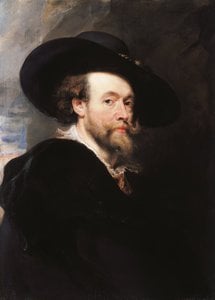
Pedro Pablo Rubens

Pedro Pablo Rubens

1577 - 1640 , Alemania

Datos clave

  • Artistic Movement Or Style: Barroco
  • Artists Or Movements Influenced By This Artist:
    • Van Dyck
    • Jordaens
  • Artists Who Influenced This Artist:
    • Miguel Ángel
    • Rafael
    • Tiziano
  • Date Of Birth: 1577
  • Date Of Death: 1640
  • Full Name: Sir Peter Paul Rubens
  • Nationality: Flamenco
  • Notable Artworks:
    • Descenso de la Cruz
    • Rayo de luz
  • Place Of Birth: Siegen, Alemania
Explore obras de arte organizadas por temas, estilos y características.