Ver en contextoVer en contexto Vista previa en RAVista previa en RA Cambiar a Impresión Cambiar a ImpresiónCambiar a imagen digital Cambiar a imagen digital EnviarEnviar
DetallesDetalles Añadir a favoritos Añadir a favoritos DescargarDescargar SimilaresSimilares RadiografíaRadiografía Presentación de diapositivasPresentación de diapositivas EstadísticasEstadísticas

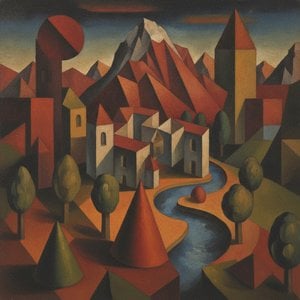
Trees by the Water

Paul Cézanne’s Proto-Cubist watercolor ‘Trees by the Water,’ capturing tranquil lakeside serenity and monumental forms, exemplifies a revolutionary shift toward geometric abstraction—explore this iconic landscape masterpiece at WikiArt.org.

Explora el arte revolucionario de Paul Cézanne (1839-1906), un maestro del Postimpresionismo que conectó el Impresionismo y el Cubismo. Descubre sus formas geométricas, pinceladas únicas, pinturas de bodegones e impacto duradero en el arte moderno. #Cézanne #PostImpres

Reproducción al óleo hecha a mano

Óleo sobre lienzo pintado a mano en el tamaño y marco de su elección, realizado por encargo por nuestros artistas. (Cambiar a Impresión Cambiar a ImpresiónCambiar a imagen digital Cambiar a imagen digital)

P118B $10
P118H $10
P118W $10
P438Z $10
P508JH $12
P508YH $12
P805H $10
P805Z $10
P919BZ $10
P919G $10
P919XJ $10
P959ZH $10
P968JZ $12
W106C $8
W218G $10
W218JH $8
W218Y $10
W307PJ $10
W316G $10
W316PJ $8
W316Y $10
W398PJ $8
W4111J $10
W500HY $15
W500JH $15
W692G $12
W849H $8
W940BG $15
W953PJ $8

Estándar
a medida
CM
INCH

Elija entre nuestros tamaños predefinidos que respetan las proporciones originales de la obra.

ancho
altura

Puede ingresar sus propias dimensiones para adaptarse a un marco o espacio específico. Si el tamaño seleccionado no coincide con las proporciones de la imagen original, recortaremos la obra o extenderemos la pintura con elementos adicionales pintados a mano. Se le enviará una maqueta digital para su aprobación antes de comenzar la producción.
Tenga en cuenta que la vista previa en pantalla no refleja el recorte o la extensión reales. Solo la maqueta mostrará con precisión la composición final.
Si bien existen tamaños personalizados, recomendamos seleccionar una dimensión de la lista predefinida para preservar las proporciones originales.

Ejemplos de lo que se puede personalizar: Reemplace el rostro con una foto del cliente; Agregue una mascota (por ejemplo, cambie un gato por un perro); Incluya un mensaje oculto en el fondo; Cambie el paisaje o los elementos del fondo.
Tras realizar el pedido, el equipo de WahooArt.com enviará un correo electrónico al cliente para solicitar instrucciones y proporcionarle una vista previa del boceto.

Envío a todo el mundo () en 3-4 semanas en lugar de las 5 semanas estándar. (14 septiembre). Sin comprometer la calidad.

why_choose_icon
Envío exprés gratuito a todo el mundo
why_choose_icon
Lienzo de lino de alta calidad
why_choose_icon
Seguro de envío total
why_choose_icon
Garantía de reembolso de impuestos aduaneros
why_choose_icon
Garantía de fidelidad cromática exacta
why_choose_icon
Política de devolución de 100 días (solo por defectos)
why_choose_icon
Garantía de devolución del 100% del dinero
why_choose_icon
Descuento por cantidad

Precio total

$ 272

reproduction

Trees by the Water

Técnica de reproducción

Dimensiones de la reproducción

-

Precio total final

$ 272

Datos clave

  • Medium: Watercolor
  • Subject or theme: Landscape
  • Artist: Paul Cézanne
  • Artistic style: Cubist influence
  • Notable elements or techniques: Bold brushstrokes, geometric simplification
  • Location: Private Collection
  • Year: 1900

A Pioneer of Fragmented Vision: Exploring Cézanne’s “Trees by the Water”

Paul Cézanne, born in Aix-en-Provence in 1839, represents a watershed moment in artistic history—a defiant rejection of Impressionism's fleeting optical sensations and an audacious embrace of Cubist principles. His journey wasn’t one of immediate acclaim; rather, it was a protracted process of experimentation and intellectual wrestling with the very nature of representation itself, culminating in a legacy that irrevocably reshaped modern art. Unlike his contemporaries who sought to capture the ephemeral beauty of a single instant, Cézanne relentlessly pursued an enduring vision—a distillation of observed reality into fundamental geometric forms. This dedication would earn him scorn from many critics of his time but cemented his place as one of the most influential artists of the late nineteenth century.
  • Subject Matter: Cézanne’s “Trees by the Water” depicts a tranquil lakeside scene dominated by towering trees—a motif recurrent throughout his oeuvre. These aren't idealized representations; instead, they are rendered with meticulous attention to detail, capturing the textures and contours of bark, foliage, and branches.
  • Style: The painting firmly establishes Cézanne’s distinctive style – Proto-Cubism. While retaining Impressionistic color palettes—primarily muted greens and blues—he abandons traditional perspective and linear recession. Instead, Cézanne employs a technique known as “Analytical Cubism,” where forms are broken down into interlocking planes that simultaneously exist in multiple viewpoints.
  • Technique: Cézanne’s masterful use of watercolor is remarkable. He builds up layers of pigment with delicate brushstrokes, creating a palpable sense of depth and luminosity despite the absence of conventional shading. The artist's deliberate manipulation of color—particularly the subtle gradations between hues—contributes significantly to the painting’s atmospheric quality.

Historical Context: Challenging Artistic Conventions

Cézanne emerged during a period of profound artistic upheaval, reacting against the dominant Impressionist aesthetic championed by Monet and Renoir. These artists prioritized capturing light and color as perceived by the eye—a method Cézanne considered insufficient to convey the essence of his subject matter. He argued passionately for a more truthful representation of reality, asserting that “the painter must see what he paints.” This conviction fueled his relentless pursuit of geometric abstraction, aligning him with the burgeoning intellectual currents of the time – notably Nietzsche’s philosophy of perspectivism and Bergson's concept of duration—which questioned the Cartesian framework underpinning Western thought.

Symbolism & Emotional Resonance

Beyond its formal innovations, “Trees by the Water” possesses a subtle symbolic depth. The trees themselves represent permanence and resilience – enduring symbols of strength and stability amidst the transient beauty of nature. Cézanne’s deliberate simplification of form isn't merely stylistic; it aims to evoke a feeling of contemplative stillness—a yearning for connection with the natural world. The painting invites viewers to engage in an active process of interpretation, prompting them to consider how Cézanne’s vision transcends mere visual representation and speaks to fundamental questions about perception and experience.

A Legacy Enduring Through Reproduction

Today, “Trees by the Water” stands as a testament to Cézanne's unwavering commitment to artistic experimentation and his profound influence on subsequent generations of artists. WahooArt.com offers exceptional hand-painted reproductions that faithfully capture the painting’s luminous color palette and intricate textural detail—allowing art lovers everywhere to experience Cézanne’s groundbreaking vision firsthand. Explore our curated collection and discover the beauty of original artwork, reimagined for contemporary spaces.

Biografía del artista

vida temprana e influencias

paul cézanne, un pintor postimpresionista francés, nació el 19 de enero de 1839 en Aix-en-Provence, Francia. Su vida temprana estuvo marcada por una fuerte conexión con la empresa bancaria de su familia, lo que le proporcionó seguridad financiera. Esto le permitió concentrarse en sus aspiraciones artísticas sin la carga del estrés financiero. les nabis, neoimpresionismo y simbolismo influyeron en el trabajo temprano de Cézanne, que se caracterizó por su énfasis en las formas geométricas y una paleta de colores limitada. Su interés en las obras de paul gauguin y georges seurat fortaleció aún más su estilo postimpresionista.

estilo artístico y técnicas

El uso innovador de Cézanne de los planos de color y pequeños trazos repetitivos creó campos complejos que transmitían su intenso estudio de los temas. Su enfoque a menudo exploratorio del arte condujo al desarrollo de un nuevo lenguaje pictórico, que enfatizaba la estructura subyacente de los objetos en una composición.

legado e impacto

El trabajo pionero de Cézanne en el postimpresionismo allanó el camino para diversos movimientos vanguardistas, incluyendo cubismo, fauvismo y surrealismo. Su influencia se puede ver en las obras de pablo picasso, henri matisse y georges braque. El legado de Cézanne continúa inspirando a artistas y entusiastas del arte por igual, consolidando su lugar como una figura fundamental en la historia del arte moderno.
Paul Cézanne

Paul Cézanne

1839 - 1906 , Francia

Datos clave

  • Artistas Que Influyeron:
    • Paul Gauguin
    • Georges Seurat
  • Estilo Artístico: Postimpresionismo
  • Fecha De Muerte: Octubre 22, 1906
  • Fecha De Nacimiento: 19 de enero de 1839
  • Influenciado A Artistas:
    • Pablo Picasso
    • Henri Matisse
    • Georges Braque
  • Lugar De Nacimiento: Aix-en-Provence, Francia
  • Nacionalidad: Francés
  • Nombre Completo: Paul Cézanne
  • Obras Notables:
    • El estanque de Jas de Bouffan
    • Retrato de Émile Zola
    • Bosque
    • Grandes Bañistas
Explore obras de arte organizadas por temas, estilos y características.