


Impresiones giclée o en lienzo de calidad de museo con producción rápida y opciones de acabado flexibles. ( Comprar pintura hecha a mano Cambiar a imagen digital)





























Elija entre nuestros tamaños predefinidos que respetan las proporciones originales de la obra.

Introduzca el ancho y el alto que necesite para adaptarse a su marco o pared. Una impresión solo puede recortarse, nunca hacerse más grande que la imagen original, por lo que un tamaño con una forma distinta perderá parte de la obra. Le enviaremos una maqueta digital para su aprobación antes de realizar cualquier impresión. La imagen que se muestra en esta página no refleja el recorte real; solo la maqueta lo hace.
Envío a todo el mundo () en 2 semanas en lugar de las 4/5 semanas estándar. (1 noviembre)
Rochedos en L'Estaque
Dimensiones de la reproducción
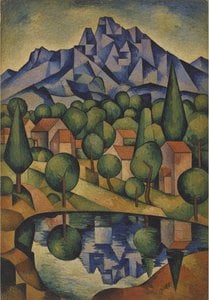
En el sereno paisaje de 1882, Paul Cézanne capturó un momento de profunda quietud geológica en Rochedos en L'Estaque. Esta obra maestra sirve como piedra angular del postimpresionismo, ofreciendo mucho más que una mera vista de la costa francesa; es una exploración de los huesos mismos de la tierra. La composición está anclada por formaciones rocosoas formidables que dominan el primer plano, cuya presencia se siente a través de una sensación de peso inmenso y permanencia escultórica. A medida que la mirada vaga desde estos pináculos rugosos y texturizados hacia las colinas que se alejan y la tranquila masa de agua en el horizonte, se experimenta una sensación de vastedad cuidadosamente orquestada. Es una escena donde el paisaje no simplemente existe, sino que respira a través de su integridad estructural, invitando al espectador a un mundo donde la naturaleza se representa con intimidad y escala monumental.
La resonancia emocional de la pieza reside en su capacidad para equilibrar la serenidad con una energía rugosa, casi táctil. Existe una cualidad profunda y meditativa en la forma en que las montañas se elevan contra el cielo, pero esta paz se ve templada por el carácter crudo e implacable de las piedras. Para el coleccionista o el diseñador, esta pintura ofrece una profundidad atmosférica única; aporta un sentido de estabilidad arraigada y atemporalidad a cualquier espacio. No depende de la luz fugaz del impresionismo, sino que busca capturar una verdad más perdurable, convirtiéndola en una pieza central ideal para aquellos que aprecian el arte que habla de fuerza, resistencia y la majestuosidad silenciosa del mundo natural.
La maestría técnica de Cézanne se muestra plenamente a través de su enfoque revolucionario de la perspectiva y el pigmento. Evitando la precisión fotográfica tradicional, utilizó una paleta de tonos tierra apagados —grises azulados para las rocas erosionadas, verdes vibrantes para la vegetación dispersa y ocres cálidos para el suelo— para construir un complejo tapiz de color. Su técnica implicaba un meticuloso proceso de capas, aplicando pintura en veladuras sucesivas sobre una imprimación texturizada para lograr gradaciones tonales notables. Este método permite que la luz parezca emanar desde el interior de las propias rocas, transformándolas en formas tridimensionales que emergen con fuerza del lienzo.
La pincelada es igualmente intencionada, caracterizada por marcas audaces y expresivas y planos de color entrelazados. En lugar de utilizar puntos de fuga tradicionales para crear profundidad, Cézanne emplea la aplicación rítmica de trazos cortos y angulares para definir las relaciones espaciales. Este enfoque estructural crea un sentido de ritmo y movimiento que guía al espectador a través del paisaje, haciendo que la transición desde las rocas del primer plano hacia las montañas distantes se sienta fluida y estructuralmente sólida. Poseer una reproducción de esta obra es llevar a casa un estudio sobre el equilibrio: una armonía perfecta de color, textura y forma que continúa inspirando asombro más de un siglo después de su creación.
Información sobre los derechos de autor de "Rochedos en L'Estaque" de Paul Cézanne: la obra es en el dominio público: sus derechos de autor han expirado. Esto determina si las reproducciones de la imagen pueden realizarse libremente.
"Rochedos en L'Estaque" está disponible como una impresión de bellas artes sobre lienzo de algodón o papel de lienzo de archivo. Puede realizar su pedido en su página Impresión de arte de bellas artes, en el tamaño que prefiera.
"Rochedos en L'Estaque" es una obra de Arte de pared.


1839 - 1906 , Francia

Descubra la distinción entre el Impresionismo y el Postimpresionismo. Explore la maestría de la luz y la emoción a través de nuestras exclusivas reproducciones al óleo hechas a mano, diseñadas para coleccionistas que buscan autenticidad, técnica y elegancia atemporal.

Explore the structural genius of Paul Cézanne. Discover how his mastery of geometric form and color bridged Impressionism and Cubism in this definitive guide for art enthusiasts and collectors.

Explore the transformative era of Post-Impressionism. Discover how masters like Cézanne and Matisse revolutionized color and form, moving beyond Impressionism to shape modern art history through structural innovation and expressive emotion.
Explore the profound legacy of Paul Cézanne. Discover how his mastery of geometric forms and vibrant color bridged Impressionism and Cubism, offering timeless inspiration for fine art collectors and enthusiasts seeking to understand the foundations of modern art.

Descubra la estructura y el rigor técnico del Postimpresionismo con nuestro análisis experto. Explore la maestría de los grandes maestros.
 Ver en contexto
 Enviar
 Compartir
 Detalles
 Guía
Guía

 Descargar
 Similares
 Radiografía
 Presentación de diapositivas
 Q&A
Q&A Estadísticas


 Ver más









 La opción de vidrio solo está disponible en tamaños inferiores a 110 cm.


