Found de Max Klinger, reproducción al óleo pintada a mano por un maestro artista
Ver en contexto Vista previa en RA Impresión de bellas artes Óleo pintado a mano Comprar imagen digital Enviar
Detalles Ficha técnica Añadir a favoritos Descargar Similares Radiografía Presentación de diapositivas Preguntas y respuestas Descargar presentación Estadísticas

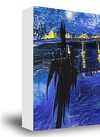
Found (Max Klinger) Reproducción de pintura al óleo pintada a mano

Óleo pintado a mano desde €228 en 36 x 28 cm

También disponible como impresión Fine Art desde €45

Two figures kneel in despair beneath a suspended form in this dramatic monochromatic etching filled with dense, swirling cross-hatching.

Su Paráfrasis sobre el hallazgo de un guante se inspiró en un sueño: observe cómo aparece el guante en cada lámina.

Reproducción al óleo hecha a mano

Óleo sobre lienzo pintado a mano en el tamaño y marco de su elección, realizado por encargo por nuestros artistas. ( Impresión de bellas artes Óleo pintado a mano Comprar imagen digital )
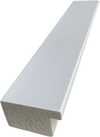
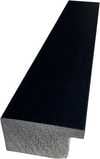
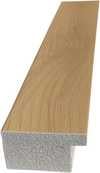
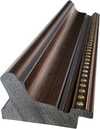
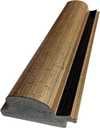
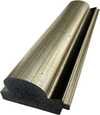
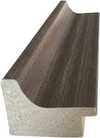
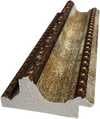
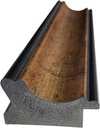
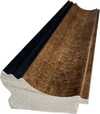
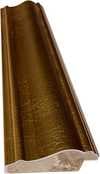
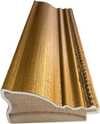
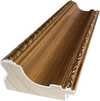
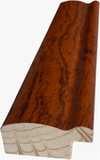
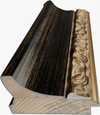
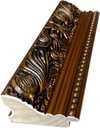
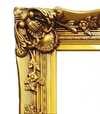
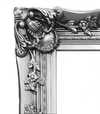
Muestra de la esquina del marco de la obra P118B: poliestireno moldeado, de 5 cm de ancho y 3 cm de grosor
P118B €10
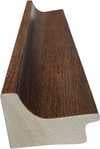
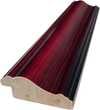
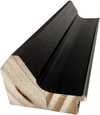
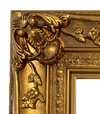
Muestra de la esquina del marco de la obra P118H: poliestireno moldeado, de 5 cm de ancho y 3 cm de grosor
P118H €10
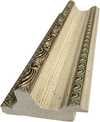
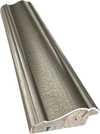
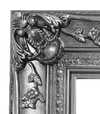
Muestra de la esquina del marco de la obra P118W: poliestireno moldeado, de 5 cm de ancho y 3 cm de grosor
P118W €10
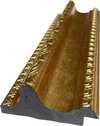
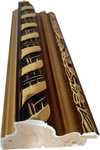
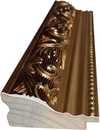
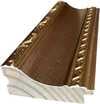
Muestra de la esquina del marco de la obra P438Z: poliestireno moldeado, de 5.5 cm de ancho y 3.5 cm de grosor
P438Z €10
Muestra de la esquina del marco de la obra P508JH: poliestireno moldeado, de 7 cm de ancho y 3.5 cm de grosor
P508JH €12
Muestra de la esquina del marco de la obra P508YH: poliestireno moldeado, de 7 cm de ancho y 3.5 cm de grosor
P508YH €12
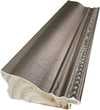
Muestra de la esquina del marco de la obra P805H: poliestireno moldeado, de 5 cm de ancho y 3.5 cm de grosor
P805H €10
Muestra de la esquina del marco de la obra P805Z: poliestireno moldeado, de 5 cm de ancho y 3.5 cm de grosor
P805Z €10
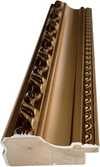
Muestra de la esquina del marco de la obra P919BZ: poliestireno moldeado, de 7 cm de ancho y 3.5 cm de grosor
P919BZ €10
Muestra de la esquina del marco de la obra P919G: poliestireno moldeado, de 7 cm de ancho y 3.5 cm de grosor
P919G €10
Muestra de la esquina del marco de la obra P919XJ: poliestireno moldeado, de 7 cm de ancho y 3.5 cm de grosor
P919XJ €10
Muestra de la esquina del marco de la obra P959ZH: poliestireno moldeado, de 5 cm de ancho y 3 cm de grosor
P959ZH €10
Muestra de la esquina del marco de la obra P968JZ: poliestireno moldeado, de 6 cm de ancho y 4 cm de grosor
P968JZ €12
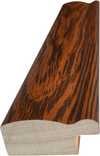
Muestra de la esquina del marco de la obra W106C: madera maciza, de 5 cm de ancho y 3 cm de grosor
W106C €8
Muestra de la esquina del marco de la obra W218G: madera maciza, de 5 cm de ancho y 3 cm de grosor
W218G €10
Muestra de la esquina del marco de la obra W218JH: madera maciza, de 5 cm de ancho y 3 cm de grosor
W218JH €8
Muestra de la esquina del marco de la obra W218Y: madera maciza, de 5 cm de ancho y 3 cm de grosor
W218Y €10
Muestra de la esquina del marco de la obra W307PJ: madera maciza, de 6 cm de ancho y 3 cm de grosor
W307PJ €10
Muestra de la esquina del marco de la obra W316G: madera maciza, de 6 cm de ancho y 3 cm de grosor
W316G €10
Muestra de la esquina del marco de la obra W316PJ: madera maciza, de 6 cm de ancho y 3 cm de grosor
W316PJ €8
Muestra de la esquina del marco de la obra W316Y: madera maciza, de 6 cm de ancho y 3 cm de grosor
W316Y €10
Muestra de la esquina del marco de la obra W398PJ: madera maciza, de 5 cm de ancho y 3 cm de grosor
W398PJ €8
Muestra de la esquina del marco de la obra W4111J: madera maciza, de 6.5 cm de ancho y 3.5 cm de grosor
W4111J €10
Muestra de la esquina del marco de la obra W500HY: madera maciza, de 7 cm de ancho y 5 cm de grosor
W500HY €15
Muestra de la esquina del marco de la obra W500JH: madera maciza, de 7 cm de ancho y 5 cm de grosor
W500JH €15
Muestra de la esquina del marco de la obra W692G: madera maciza, de 8 cm de ancho y 4 cm de grosor
W692G €12
Muestra de la esquina del marco de la obra W849H: madera maciza, de 5 cm de ancho y 3 cm de grosor
W849H €8
Muestra de la esquina del marco de la obra W940BG: madera maciza, de 7.5 cm de ancho y 4.5 cm de grosor
W940BG €15
Muestra de la esquina del marco de la obra W953PJ: madera maciza, de 6 cm de ancho y 3.5 cm de grosor
W953PJ €8

Elija entre nuestros tamaños predefinidos que respetan las proporciones originales de la obra.

ancho
altura

Indique el ancho y el alto que necesite para adaptarse a su marco o pared. Al tratarse de una obra pintada a mano, si requiere un tamaño con una proporción distinta, el artista puede pintar un poco más alrededor de la imagen o recortarla ligeramente; usted elige. Le enviaremos una maqueta digital para su aprobación antes de comenzar la pintura. La imagen que se muestra en esta página no refleja el resultado real; solo la maqueta lo hace.

Tamaño estándar
a medida
CM
PULGADAS

Ejemplos de lo que se puede personalizar: Reemplace el rostro con una foto del cliente; Agregue una mascota (por ejemplo, cambie un gato por un perro); Incluya un mensaje oculto en el fondo; Cambie el paisaje o los elementos del fondo.
Tras realizar el pedido, el equipo de WahooArt.com enviará un correo electrónico al cliente para solicitar instrucciones y proporcionarle una vista previa del boceto.

Envío mundial a en 3/4 semanas en lugar de las 4/5 semanas estándar. (22 diciembre). Sin comprometer la calidad.

Envío exprés gratuito a todo el mundo
Lienzo de lino de alta calidad
Seguro de envío total
Garantía de reembolso de aranceles aduaneros
Garantía de fidelidad cromática exacta
Devoluciones en 100 días y reembolso garantizado
Garantía de devolución del 100% del dinero
Descuento por cantidad

Precio total

€ 320

Found

Técnica de reproducción

Dimensiones de la reproducción

-

Precio total final

€ 320

Datos clave

  • Artista: Max Klinger
  • Técnica: Etching
  • Artistic style: Late 19th-century Expressionism
  • Artist: Max Klinger
  • Notable elements or techniques: Dense cross-hatching, monochromatic
  • Subject or theme: Anguish, despair, and emotional distress

Ponga a prueba su mirada

Cada pregunta tiene una única respuesta correcta.

Pregunta 1:
What is the primary technique used to create the texture and forms in this artwork?
Pregunta 2:
Which artistic movement is this artwork characteristic of?
Pregunta 3:
What is the color palette of the piece?
Pregunta 4:
How are the figures arranged in the composition?
Pregunta 5:
Which artist's style does the artwork share similarities with?

The Artwork Found by Max Klinger

In the quiet tension of Found, the viewer encounters a scene of profound emotional distress. Max Klinger, born in 1857 in Leipzig, Germany, presents a vision that feels caught in a moment of sudden, sharp anguish. The composition draws the eye upward through a pyramidal arrangement, where two figures kneel in supplication at the base. Above them, a third figure remains suspended on a rigid rectangular plane, creating a sense of unsettling verticality. The atmosphere is heavy with a feeling of helplessness, as if the figures are trapped within a swirling chaos of lines that refuse to settle.

The imagery suggests a narrative of torment or judgment, though the exact nature of the suffering remains a mystery. Shadows and highlights dance across the forms, emphasizing the intensity of the facial expressions and the physical strain of the subjects. There is a palpable sense of unease in the way the figures interact with the space around them. The scene does not offer the comfort of a clear light source, leaving the viewer to navigate the deep shadows and the turbulent, textured background that seems to pulse with internal turmoil.

Composition and Visual Elements

A heavy, pyramidal structure dictates the movement of the scene, pulling the eye upward through a tense arrangement of forms. At the base, two figures kneel in a state of supplication, their bodies anchoring the bottom of the triangle. Above them, a third figure remains suspended on a rigid, rectangular plane, creating a jarring contrast between the organic curves of the human forms and the unyielding geometry of the platform. This vertical tension holds the viewer in a state of suspended animation, caught between the grounded suffering below and the hovering presence above.

The background refuses to remain still. Dense, swirling lines churn through the space, suggesting a world in a state of constant, chaotic turmoil. These lines wrap around the figures, blurring the distinction between the subjects and the atmosphere surrounding them. Light and shadow dance unevenly across the scene, with deep, heavy blacks clashing against pale highlights to emphasize the emotional weight of the figures. The perspective feels strangely flattened, yet the layering of these dark, textured shapes creates a sense of depth that pulls the viewer into the center of the struggle.

Technique and Artistic Materials

The scene emerges from a monochromatic world, where every shadow and highlight relies on a careful dance of gray tones. This is the result of a meticulous printmaking process, likely an etching or an engraving. One can almost feel the physical resistance of the metal plate as the artist uses sharp etching needles to incise deep, deliberate lines into the surface. These marks do not merely outline forms; they build a dense, textured landscape through heavy cross-hatching that catches the light and holds the darkness in place.

The materials used in this creation speak to a tactile, hands-on labor. A metal plate, perhaps zinc or copper, receives the initial wounding of the needle, creating the channels that will eventually hold the ink. Once the incised lines are ready, ink is pressed into these grooves, transferring the soul of the plate onto paper. This method allows for a staggering level of detail, where the swirling, chaotic lines of the background and the sharp, angular contours of the figures emerge from the interplay of ink and fiber.

Style and Artistic Movement

The work breathes with the heavy, restless energy of late 19th-century Expressionism. Every line seems to vibrate with an internal tension, pushing beyond mere representation to capture a raw, psychological state. This approach finds a striking kinship with the visual language of Edvard Munch, where the external world bends and twists to mirror the turbulence of the human spirit. The figures do not simply exist in space; they appear caught in a moment of profound emotional upheaval, their forms shaped by the weight of what they feel rather than the strict rules of anatomy.

At its core, the piece is deeply rooted in the Symbolist movement. It moves away from the literalism of the natural world to explore the shadowy, subjective realms of the subconscious. Rather than depicting a clear, objective reality, the imagery functions through a language of signs and metaphors that point toward deeper, unseen truths. The atmosphere is thick with the sense of a dream or a nightmare, where the boundaries between the physical self and the internal psyche begin to dissolve into a swirl of dark, textured lines.

Emotional and Symbolic Themes

Anguish and fear pulse through the scene, casting a heavy shadow over the figures. A profound sense of desperation grips the viewer as the subject matter unfolds, depicting a moment of intense emotional distress and torment. The two kneeling figures at the base of the composition seem trapped in a state of supplication, their bodies conveying a deep-seated helplessness. Above them, a third figure remains suspended on a rigid rectangular plane, watching the suffering below. This triangular arrangement creates a palpable tension, suggesting a heavy power dynamic or the weight of an inevitable judgment.

Chaos swirls in the background, where dense, agitated lines churn like a storm. These movements suggest a state of inner turmoil or perhaps the presence of overwhelming external forces acting upon the souls depicted. The darkness and light do not merely define form; they heighten the psychological weight of the moment. Every line contributes to an atmosphere of unease, as if the very air around the figures is thick with their collective despair. The struggle feels immediate, caught in a perpetual state of spiritual or emotional crisis.

Related Works by Max Klinger

The shadows of the artist's imagination stretch into other graphic cycles, where the boundaries between reality and the subconscious continue to blur. In the series Paraphrase on the Finding of a Glove, a single lost object transforms into a potent fetish, triggering a sequence of dreamlike visions and unsettling encounters. This narrative exploration of desire and loss finds a musical counterpart in the Brahms Fantasies from 1894, where the artist translates the spirit of composition into visual form. These works reveal a mind preoccupied with the hidden currents of human longing and the irrational forces that govern our inner lives.

Other explorations move through the realms of myth and movement. The artist's hand traces the tension found in The Rape of Prometheus and the rhythmic energy of Preparation for the dance. Each piece acts as a window into a world where the physical and the psychological are inseparable. Whether through the meticulous lines of an etching or the heavy presence of a sculpture, the artist's vision remains fixed on the tension between the seen world and the unseen impulses that drive it.

Preguntas y respuestas

¿Esta reproducción de Found está pintada a mano o es una impresión?

Pintado a mano: un pintor profesional recrea Found al óleo sobre lienzo de lino.

¿Qué tamaño debo elegir para Found?

Los tamaños van desde 36.3 x 27.5 cm (€228) hasta 241.8 x 183.4 cm (€1533); la tabla de esta página detalla las opciones principales y sus precios.

¿Cuánto tarda el envío?

El plazo de entrega es de 4 a 5 semanas, con envío exprés gratuito a todo el mundo; en esta página se ofrece una opción de producción urgente. Puede realizar la devolución en un plazo de 100 días para obtener un reembolso completo, sin condiciones.

¿Qué técnica utilizó Max Klinger para Found?

Etching


Explore obras de arte organizadas por temas, estilos y características.