Vende aquí
x
Ver en contextoVer en contexto Vista previa en RAVista previa en RA Comprar impresión Comprar impresiónComprar imagen Comprar imagen EnviarEnviar
DetallesDetalles Añadir a favoritos Añadir a favoritos DescargarDescargar SimilaresSimilares RadiografíaRadiografía Presentación de diapositivasPresentación de diapositivas

untitled (4465)

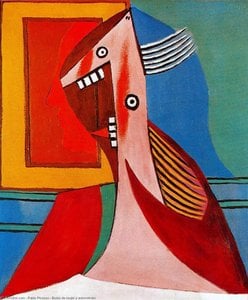
Max Ernst’s ‘untitled (4465)’ unveils a haunting surrealist scene of a solitary figure before an enigmatic wall, rendered with unsettling textures and watchful eyes – explore this iconic work by the German artist.

¡Explora el mundo surrealista de Max Ernst (1891-1976), un pionero del Dada y el Surrealismo! Descubre sus innovadoras técnicas de frottage, collages y pinturas oníricas con aves, paisajes y temas psicológicos. #MaxErnst #Surrealismo #Dada

Reproducción al óleo hecha a mano

Óleo sobre lienzo pintado a mano en el tamaño y marco de su elección, realizado por encargo por nuestros artistas. (Comprar impresión Comprar impresiónComprar imagen Comprar imagen)

P118B $10
P118H $10
P118W $10
P438Z $10
P508JH $12
P508YH $12
P805H $10
P805Z $10
P919BZ $10
P919G $10
P919XJ $10
P959ZH $10
P968JZ $12
W106C $8
W218G $10
W218JH $8
W218Y $10
W307PJ $10
W316G $10
W316PJ $8
W316Y $10
W398PJ $8
W4111J $10
W500HY $15
W500JH $15
W692G $12
W849H $8
W940BG $15
W953PJ $8

Standard
custom
CM
INCH

Elija entre nuestros tamaños predefinidos que respetan las proporciones originales de la obra.

ancho
altura

Puede ingresar sus propias dimensiones para adaptarse a un marco o espacio específico. Si el tamaño seleccionado no coincide con las proporciones de la imagen original, recortaremos la obra o extenderemos la pintura con elementos adicionales pintados a mano. Se le enviará una maqueta digital para su aprobación antes de comenzar la producción.
Tenga en cuenta que la vista previa en pantalla no refleja el recorte o la extensión reales. Solo la maqueta mostrará con precisión la composición final.
Si bien existen tamaños personalizados, recomendamos seleccionar una dimensión de la lista predefinida para preservar las proporciones originales.

Ejemplos de lo que se puede personalizar: Reemplace el rostro con una foto del cliente; Agregue una mascota (por ejemplo, cambie un gato por un perro); Incluya un mensaje oculto en el fondo; Cambie el paisaje o los elementos del fondo.
Tras realizar el pedido, el equipo de WahooArt.com enviará un correo electrónico al cliente para solicitar instrucciones y proporcionarle una vista previa del boceto.

Envío a todo el mundo () en 3-4 semanas en lugar de las 5 semanas estándar. (23 agosto). Sin comprometer la calidad.

why_choose_icon
Envío exprés gratuito a todo el mundo
why_choose_icon
Lienzo de lino de alta calidad
why_choose_icon
Seguro de envío total
why_choose_icon
Garantía de reembolso de impuestos aduaneros
why_choose_icon
Garantía de fidelidad cromática exacta
why_choose_icon
Política de devolución de 60 días (solo por defectos)
why_choose_icon
Garantía de devolución del 100% del dinero
why_choose_icon
Descuento por cantidad

Precio total

$ 272

reproduction

untitled (4465)

Técnica de reproducción

Dimensiones de la reproducción

-

Precio total final

$ 272

Datos clave

  • Title: untitled (4465)
  • Medium: Painting
  • Influences: Dada
  • Movement: Surrealism
  • Notable elements or techniques: Frottage, Eye motif
  • Subject or theme: Psychological Landscape

Descripción de la obra

A Window into Surrealist Consciousness

Max Ernst's "untitled (4465)" stands as a haunting testament to the anxieties and aspirations of the Surrealist movement, capturing a moment frozen in time—a solitary figure confronting an enigmatic wall, accompanied by watchful eyes that pierce through the canvas. This seemingly simple composition belies a profound depth of psychological exploration and artistic innovation, reflecting Ernst’s core belief that art should delve into the subconscious realm to unlock hidden truths. The painting presents a surreal scene where a person in a striking red dress stands before an imposing barrier, peering toward something unseen on the other side. Above them, disembodied eyes emerge from the composition, creating a sense of being observed by the very atmosphere itself. Against the backdrop of a serene blue sky, the juxtaposition of the vibrant figure and the unsettling, watchful gaze creates a profound sense of mystery and intrigue that lingers in the mind of every viewer.

The genesis of this vision lies deeply within Ernst's intellectual framework. Born in Brühl, Germany, Maximilian Maria Ernst arrived at his artistic vocation through a relentless pursuit of knowledge—philoscent, art history, literature, psychology, and psychiatry. These disciplines fundamentally shaped his worldview, instilling a critical spirit and an unwavering fascination with the human psyche. His work mirrors the Surrealists’ preoccupation with dreams, irrationality, and the liberation of the imagination from conscious control. In "untitled (4465)," this intellectual grounding is palpable; every element serves as a gateway to the fragmented nature of thought, where the boundaries between reality and the dreamscape begin to dissolve.

Technique, Texture, and the Art of Chance

To behold this masterpiece is to witness Ernst's revolutionary approach to the canvas. He was a pioneer who embraced the unpredictable, utilizing experimental techniques such as frottage and grattage to disrupt traditional notions of painting. Through frottage—the process of transferring textures from objects onto the canvas via pencil rubbings—Ernst introduced an element of chance and spontaneity that mirrors the erratic logic of dreams. In this work, such methods generate an unsettling surface pattern that adds a tactile, organic quality to the enigmatic wall. This is further amplified by grattage, where paint is scraped across the canvas to reveal hidden layers beneath, emphasizing the artist’s desire to peel back the surface of reality to uncover the psychological truths buried within.

For the discerning collector or interior designer, this piece offers more than mere decoration; it provides a profound emotional anchor. The painting's ability to evoke both tension and wonder makes it an extraordinary addition to any curated space. Whether placed in a quiet study to provoke contemplation or as a centerpiece in a modern gallery setting, "untitled (4465)" invites conversation and deep reflection. It is a work that does not merely sit upon a wall but breathes with the restless energy of the subconscious, making it an ideal choice for those seeking to infuse their environment with intellectual depth and the timeless allure of Surrealist mastery.


Biografía del artista

Max Ernst: Una Vida en el Surrealismo

Juventud y Educación

  • Nacido: 1 de abril de 1891, en Brühl, Alemania.
  • El padre de Ernst, Philipp Ernst, era maestro de sordos y pintor aficionado, fomentando el interés temprano de Max por el arte.
  • Estudió filosofía, historia del arte, literatura, psicología y psiquiatría en la Universidad de Bonn desde 1909.
  • Esta diversa formación académica influyó profundamente en sus posteriores exploraciones artísticas.

Desarrollo Artístico e Influencias

  • Un momento decisivo fue la exposición Sonderbund en Colonia (1912), donde conoció obras de Pablo Picasso, Vincent van Gogh, y Paul Gauguin.
  • En 1914, conoció a Hans Arp, comenzando una amistad que duró toda la vida e influyó significativamente en su trayectoria artística.
  • La Primera Guerra Mundial impactó profundamente a Ernst; sus experiencias como soldado llevaron al desencanto y a una visión crítica de la sociedad.
  • Se sintió influenciado por las obras de Sigmund Freud, explorando temas de la mente inconsciente en su arte.

Dada y Surrealismo

  • Ernst se convirtió en una figura clave del grupo Dada de Colonia después de la Primera Guerra Mundial, rechazando las convenciones artísticas tradicionales.
  • Pionero en técnicas innovadoras como frottage (frotar lápiz sobre superficies texturizadas) y grattage (raspar pintura para revelar capas subyacentes).
  • En la década de 1920, se unió al movimiento Surrealista en París, colaborando con artistas como Paul Éluard.
  • Su obra durante este período exploró imágenes oníricas y temas psicológicos.

Obras Principales y Técnicas

  • Frottage: Una técnica utilizada para crear texturas e imágenes inesperadas, ejemplificada en muchas de sus obras.
  • Collage: Ernst empleó con frecuencia el collage, combinando elementos dispares para crear composiciones surrealistas.
  • Obras Notables:
    • La Ciudad Entera
    • Euclides
    • De Esto Ninguno Debería Saber
    • Bosque y Paloma
  • Sus pinturas a menudo presentan imágenes simbólicas, incluyendo pájaros (particularmente su alter ego Loplop), paisajes y yuxtaposiciones inquietantes.

Vida Tardía y Legado

  • Ernst se trasladó a Estados Unidos durante la Segunda Guerra Mundial, continuando pintando y experimentando con nuevas técnicas.
  • Regresó a Francia después de la guerra y permaneció activo hasta su muerte el 1 de abril de 1976, en París.
  • Significado Histórico: Las contribuciones de Max Ernst a Dada y Surrealismo fueron innovadoras. Desafió las normas artísticas, exploró la mente subconsciente e inventó técnicas innovadoras que continúan inspirando a los artistas de hoy en día.
  • Sigue siendo una de las figuras más importantes e influyentes del arte del siglo XX.


Max Ernst

Max Ernst

1891 - 1976 , Alemania

Datos clave

  • Artistas Influenciados: ['Muchos artistas posteriores']
  • Artistas Que Influyeron:
    • Pablo Picasso
    • Vincent van Gogh
    • Paul Gauguin
    • Sigmund Freud
  • Fecha De Muerte: 1 de abril de 1976
  • Fecha De Nacimiento: 1 de abril de 1891
  • Lugar De Nacimiento: Brühl, Alemania
  • Movimiento Artístico: Dadaísmo y Surrealismo
  • Nacionalidad: Alemán/Americano/Francés
  • Nombre Completo: Max Ernst
  • Obras Notables:
    • La Ciudad Entera
    • Euclides
    • Bosque y Paloma
    • El Elefante de Célebes
Explore obras de arte organizadas por temas, estilos y características.