Asesoría de arte gratuita

x
Comprar impresión Comprar impresiónComprar imagen en alta resolución Comprar imagen en alta resolución EnviarEnviar
DetallesDetalles Añadir a favoritos Añadir a favoritos DescargarDescargar SimilaresSimilares RadiografíaRadiografía Presentación de diapositivasPresentación de diapositivas

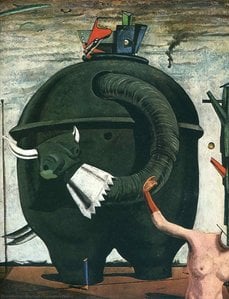
untitled (2260)

Max Ernst’s "Untitled (2260)" presents a disquieting surreal landscape with clock towers and unsettling harmony, showcasing the artist's innovative frottage techniques and reflecting his engagement with Freud and Nietzsche. Discover this iconic Surrealist artwork and bring its dreamlike vision home.

¡Explora el mundo surrealista de Max Ernst (1891-1976), un pionero del Dada y el Surrealismo! Descubre sus innovadoras técnicas de frottage, collages y pinturas oníricas con aves, paisajes y temas psicológicos. #MaxErnst #Surrealismo #Dada

Reproducción al óleo hecha a mano

Óleo sobre lienzo pintado a mano en el tamaño y marco de su elección, realizado por encargo por nuestros artistas.

P118B $10
P118H $10
P118W $10
P438Z $10
P508JH $12
P508YH $12
P805H $10
P805Z $10
P919BZ $10
P919G $10
P919XJ $10
P959ZH $10
P968JZ $12
W106C $8
W218G $10
W218JH $8
W218Y $10
W307PJ $10
W316G $10
W316PJ $8
W316Y $10
W398PJ $8
W4111J $10
W500HY $15
W500JH $15
W692G $12
W849H $8
W940BG $15
W953PJ $8

Standard
custom
CM
INCH

Elija entre nuestros tamaños predefinidos que respetan las proporciones originales de la obra.

ancho
altura

Puede ingresar sus propias dimensiones para adaptarse a un marco o espacio específico. Si el tamaño seleccionado no coincide con las proporciones de la imagen original, recortaremos la obra o extenderemos la pintura con elementos adicionales pintados a mano. Se le enviará una maqueta digital para su aprobación antes de comenzar la producción.
Tenga en cuenta que la vista previa en pantalla no refleja el recorte o la extensión reales. Solo la maqueta mostrará con precisión la composición final.
Si bien existen tamaños personalizados, recomendamos seleccionar una dimensión de la lista predefinida para preservar las proporciones originales.

Ejemplos de lo que se puede personalizar: Reemplace el rostro con una foto del cliente; Agregue una mascota (por ejemplo, cambie un gato por un perro); Incluya un mensaje oculto en el fondo; Cambie el paisaje o los elementos del fondo.
Tras realizar el pedido, el equipo de WahooArt.com enviará un correo electrónico al cliente para solicitar instrucciones y proporcionarle una vista previa del boceto.

Entrega mundial () en 3-4 semanas en lugar de las 5 semanas estándar. (4 julio). Sin compromisos con la calidad.

why_choose_icon
Envío exprés gratuito a todo el mundo
why_choose_icon
Lienzo de lino de alta calidad
why_choose_icon
Seguro de envío total
why_choose_icon
Garantía de reembolso de impuestos aduaneros
why_choose_icon
Garantía de fidelidad de color
why_choose_icon
Política de devolución de 60 días (solo por defectos)
why_choose_icon
Garantía de devolución del 100% del dinero
why_choose_icon
Descuento por pedido múltiple

Precio total

-

reproduction

untitled (2260)

Técnica de reproducción

Tamaño de la reproducción

-

Precio total final

-

Datos clave

  • Location: Private Collection
  • Movement: Surrealism
  • Title: untitled (2260)
  • Influences: Dada
  • Notable elements or techniques: Frottage, Collage
  • Medium: Painting

Descripción de la obra

A Vision of Disquieting Harmony: Exploring Max Ernst’s “Untitled (2260)”

Max Ernst's "Untitled (2260)" stands as a testament to the Surrealist impulse—a deliberate confrontation with the subconscious mind and a rejection of rational order. Created sometime around 1937, this enigmatic landscape painting embodies Ernst’s signature blend of meticulous technique and dreamlike imagery, inviting viewers into a realm where familiar forms twist into unsettling juxtapositions. The artwork's enduring fascination stems from its ability to evoke profound emotional responses while simultaneously stimulating intellectual contemplation about the anxieties of the era.

The Genesis of Surrealism: Ernst’s Philosophical Roots

Ernst’s artistic journey began not with formal instruction but with a fervent engagement with philosophical currents—particularly Nietzsche and Freud—that questioned established beliefs about morality and consciousness. Influenced by Nietzsche's concept of the Übermensch, striving for self-overcoming and rejecting societal constraints, Ernst sought to liberate art from conventional representations of reality. Simultaneously, Freud’s psychoanalytic theories provided a framework for exploring the hidden depths of the human psyche—a preoccupation that would permeate his artistic output. This intellectual grounding fueled his desire to tap into the realm of dreams and irrational impulses, mirroring the core tenets of Surrealism.

Technique and Texture: Ernst's Innovative Approaches

Ernst’s distinctive style is characterized by a masterful manipulation of texture and surface—a cornerstone of his groundbreaking techniques like frottage and grattage. Frottage involves rubbing pencil or charcoal over textured surfaces (such as wood grain or fabric) to transfer their impressions onto canvas, generating unexpected patterns and suggestive imagery. Ernst famously employed this method extensively, layering textures to create a palpable sense of atmosphere and hinting at hidden narratives beneath the surface. Grattage takes this process further by scraping paint across the canvas with knives or spatulas, revealing underlying layers and creating striking visual effects—a technique that powerfully communicates the artist’s preoccupation with primal forces and subconscious anxieties.

Symbolism Within Landscape: Birds, Time, and Psychological Tension

The landscape depicted in “Untitled (2260)” is rife with symbolic significance. Dominating the composition is a colossal clock tower, representing not merely time but also the oppressive weight of societal expectations and the relentless march toward inevitable decay—themes central to Ernst’s artistic concerns. Scattered throughout the scene are trees and mountains, offering respite from the towering structure yet simultaneously embodying resilience and permanence. However, it's the presence of birds that arguably holds the key to unlocking the painting’s emotional core. Birds frequently appear in Ernst’s oeuvre as emblems of freedom, aspiration, and spiritual transcendence—yet here they seem trapped within the confines of the landscape, mirroring the artist’s own struggle for liberation from psychological constraints.

Emotional Resonance: Capturing the Anxiety of an Era

Ultimately, “Untitled (2260)” succeeds in conveying a palpable sense of unease and disorientation—a reflection of the anxieties prevalent during Ernst's time. The unsettling juxtaposition of natural beauty and artificial dominance underscores the artist’s critique of Western civilization’s obsession with reason and control. The painting compels viewers to confront uncomfortable truths about human existence, prompting introspection and fostering a deeper appreciation for the power of imagination as a means of resisting oppressive forces. Its enduring appeal lies in its ability to resonate with audiences who recognize the universal yearning for authenticity and liberation—a legacy cemented by Ernst’s pioneering role in shaping the artistic landscape of the 20th century.

Biografía del artista

Max Ernst: Una Vida en el Surrealismo

Juventud y Educación

  • Nacido: 1 de abril de 1891, en Brühl, Alemania.
  • El padre de Ernst, Philipp Ernst, era maestro de sordos y pintor aficionado, fomentando el interés temprano de Max por el arte.
  • Estudió filosofía, historia del arte, literatura, psicología y psiquiatría en la Universidad de Bonn desde 1909.
  • Esta diversa formación académica influyó profundamente en sus posteriores exploraciones artísticas.

Desarrollo Artístico e Influencias

  • Un momento decisivo fue la exposición Sonderbund en Colonia (1912), donde conoció obras de Pablo Picasso, Vincent van Gogh, y Paul Gauguin.
  • En 1914, conoció a Hans Arp, comenzando una amistad que duró toda la vida e influyó significativamente en su trayectoria artística.
  • La Primera Guerra Mundial impactó profundamente a Ernst; sus experiencias como soldado llevaron al desencanto y a una visión crítica de la sociedad.
  • Se sintió influenciado por las obras de Sigmund Freud, explorando temas de la mente inconsciente en su arte.

Dada y Surrealismo

  • Ernst se convirtió en una figura clave del grupo Dada de Colonia después de la Primera Guerra Mundial, rechazando las convenciones artísticas tradicionales.
  • Pionero en técnicas innovadoras como frottage (frotar lápiz sobre superficies texturizadas) y grattage (raspar pintura para revelar capas subyacentes).
  • En la década de 1920, se unió al movimiento Surrealista en París, colaborando con artistas como Paul Éluard.
  • Su obra durante este período exploró imágenes oníricas y temas psicológicos.

Obras Principales y Técnicas

  • Frottage: Una técnica utilizada para crear texturas e imágenes inesperadas, ejemplificada en muchas de sus obras.
  • Collage: Ernst empleó con frecuencia el collage, combinando elementos dispares para crear composiciones surrealistas.
  • Obras Notables:
    • La Ciudad Entera
    • Euclides
    • De Esto Ninguno Debería Saber
    • Bosque y Paloma
  • Sus pinturas a menudo presentan imágenes simbólicas, incluyendo pájaros (particularmente su alter ego Loplop), paisajes y yuxtaposiciones inquietantes.

Vida Tardía y Legado

  • Ernst se trasladó a Estados Unidos durante la Segunda Guerra Mundial, continuando pintando y experimentando con nuevas técnicas.
  • Regresó a Francia después de la guerra y permaneció activo hasta su muerte el 1 de abril de 1976, en París.
  • Significado Histórico: Las contribuciones de Max Ernst a Dada y Surrealismo fueron innovadoras. Desafió las normas artísticas, exploró la mente subconsciente e inventó técnicas innovadoras que continúan inspirando a los artistas de hoy en día.
  • Sigue siendo una de las figuras más importantes e influyentes del arte del siglo XX.

Max Ernst

Max Ernst

1891 - 1976 , Alemania

Datos clave

  • Artistas Influenciados: ['Muchos artistas posteriores']
  • Artistas Que Influyeron:
    • Pablo Picasso
    • Vincent van Gogh
    • Paul Gauguin
    • Sigmund Freud
  • Fecha De Muerte: 1 de abril de 1976
  • Fecha De Nacimiento: 1 de abril de 1891
  • Lugar De Nacimiento: Brühl, Alemania
  • Movimiento Artístico: Dadaísmo y Surrealismo
  • Nacionalidad: Alemán/Americano/Francés
  • Nombre Completo: Max Ernst
  • Obras Notables:
    • La Ciudad Entera
    • Euclides
    • Bosque y Paloma
    • El Elefante de Célebes
Explore obras de arte organizadas por temas, estilos y características.