Asesoría de arte gratuita

x
Encargar reproducción Encargar reproducciónComprar imagen en alta resolución Comprar imagen en alta resolución EnviarEnviar
DetallesDetalles Añadir a favoritos Añadir a favoritos DescargarDescargar SimilaresSimilares Rayos XRayos X Presentación de diapositivasPresentación de diapositivas

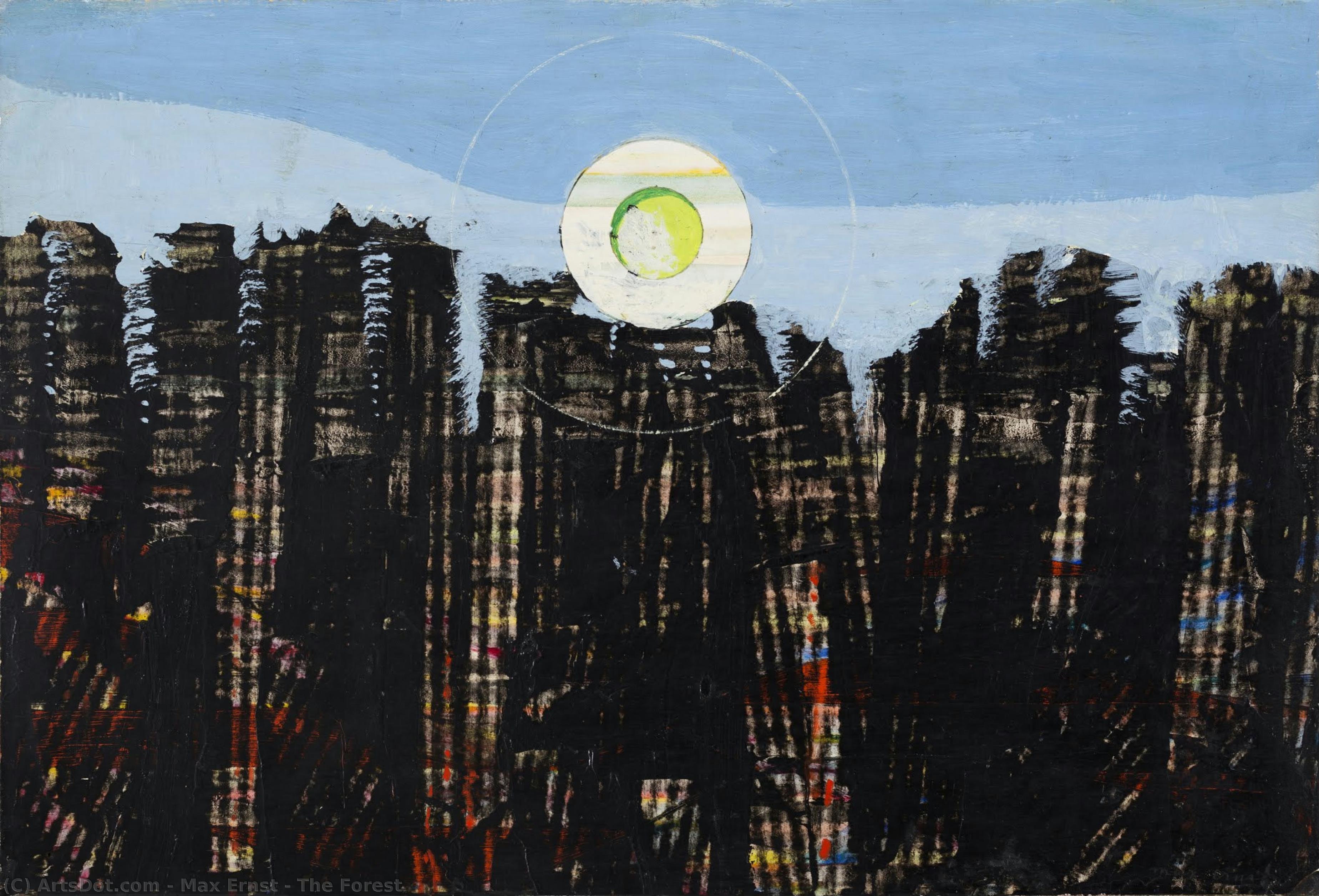
The Forest

¡Explora el mundo surrealista de Max Ernst (1891-1976), un pionero del Dada y el Surrealismo! Descubre sus innovadoras técnicas de frottage, collages y pinturas oníricas con aves, paisajes y temas psicológicos. #MaxErnst #Surrealismo #Dada

Giclée / Impresión de arte

Impresión giclée o en lienzo de calidad de museo con producción rápida y opciones de acabado flexibles.

P118B $10
P118H $10
P118W $10
P438Z $10
P508JH $12
P508YH $12
P805H $10
P805Z $10
P919BZ $10
P919G $10
P919XJ $10
P959ZH $10
P968JZ $12
W106C $8
W218G $10
W218JH $8
W218Y $10
W307PJ $10
W316G $10
W316PJ $8
W316Y $10
W398PJ $8
W4111J $10
W500HY $15
W500JH $15
W692G $12
W849H $8
W940BG $15
W953PJ $8

Standard
custom
CM
INCH

Elija entre nuestros tamaños predefinidos que respetan las proporciones originales de la obra.

ancho
altura

Puede introducir sus propias dimensiones para adaptarse a un marco o espacio específico. Si el tamaño seleccionado no coincide con las proporciones de la imagen original, recortaremos la obra de arte o extenderemos la imagen con un borde con efecto espejo o de color sólido. Se enviará una maqueta digital para su aprobación antes de que comience la producción.
Tenga en cuenta que la vista previa en pantalla no refleja el recorte o la extensión real. Solo la maqueta mostrará con precisión la composición final.
Aunque existen tamaños personalizados, recomendamos seleccionar una dimensión de la lista predefinida para preservar las proporciones originales.

Entrega mundial () en 2 semanas en lugar de las 4/5 semanas estándar. (2 julio)

why_choose_icon
Envío exprés gratuito a todo el mundo
why_choose_icon
Lienzo de lino de alta calidad
why_choose_icon
Seguro de envío total
why_choose_icon
Garantía de reembolso de impuestos aduaneros
why_choose_icon
Garantía de fidelidad de color
why_choose_icon
Política de devolución de 60 días (solo por defectos)
why_choose_icon
Garantía de devolución del 100% del dinero
why_choose_icon
Descuento por pedido múltiple

Precio total

-

reproduction

The Forest

Giclée / Impresión de arte

Tamaño de la reproducción

-

Precio total final

-

Datos clave

  • Subject or theme: Urban/natural contrast
  • Notable elements: Rising moon, cityscape
  • Dimensions: 25 x 36 cm
  • Artist: Max Ernst
  • Medium: Painting
  • Title: The Forest
  • Artistic style: Dynamic composition

Test de arte

Solo hay una respuesta correcta para cada pregunta.

Pregunta 1:
What is the primary subject matter of Max Ernst’s ‘The Forest’?
Pregunta 2:
In what year was ‘The Forest’ painted by Max Ernst?
Pregunta 3:
What does the moon in ‘The Forest’ symbolize, considering Ernst's broader artistic interests?
Pregunta 4:
Max Ernst’s artistic approach often involved techniques that challenged traditional painting methods. Which of the following best describes his style?
Pregunta 5:
Prior to his artistic career, Max Ernst studied which of the following subjects?

Descripción de la obra

A Nocturne of Dreams: Max Ernst’s “The Forest”

Max Ernst's "The Forest," painted in 1927, isn’t merely a depiction of a landscape; it’s an immersion into the subconscious, a carefully constructed dreamscape rendered with the unsettling beauty characteristic of the artist’s early Surrealist explorations. This intimate canvas – measuring just 25 x 36 cm – holds within its borders a potent collision of natural and urban elements, inviting viewers to contemplate the anxieties and aspirations simmering beneath the surface of modern life. The painting immediately draws the eye upward to a luminous moon dominating the sky, casting an ethereal glow upon the sprawling cityscape below. Buildings rise from the darkness, not as symbols of progress or order, but as strangely distorted monoliths, hinting at a world both familiar and profoundly alien.

Ernst’s technique is deliberately evocative, employing a layered approach that anticipates techniques he would later refine in his collage work. He utilizes loose, expressive brushstrokes, building up the forms of trees and buildings with a sense of urgency and movement. The color palette leans heavily into cool blues and greens, punctuated by the stark white of the moon and the muted tones of the city lights – colors that contribute to the painting’s nocturnal atmosphere and imbue it with a feeling of quiet mystery. Notice how he doesn't meticulously render detail; instead, he favors suggestion and mood, allowing the viewer’s imagination to fill in the gaps.

The Seeds of Surrealism: Ernst’s Intellectual Landscape

Understanding “The Forest” requires acknowledging Max Ernst’s unique artistic trajectory. Born in Brühl, Germany, in 1891, Ernst wasn't a traditional painter; his path was forged through rigorous academic study – philosophy, art history, literature, psychology, and psychiatry at the University of Bonn. This intellectual grounding profoundly shaped his approach to art, moving him beyond mere representation towards exploring the realm of dreams, memory, and the irrational. His father, a teacher of the deaf, instilled in him a sensitivity to the world and a rebellious spirit – qualities that would become central to Ernst’s artistic vision. He was deeply influenced by thinkers like Freud and Jung, particularly their theories on the unconscious mind, which he sought to translate into visual form.

The year 1927 is crucial within this context. It represents a pivotal moment in Ernst's development as a Surrealist, a period marked by experimentation with automatism – a technique of spontaneous creation designed to bypass conscious control and tap directly into the subconscious. "The Forest," therefore, can be seen as a product of this process, a visual manifestation of his inner world.

Symbolic Echoes: Nature Versus Urbanity

The juxtaposition of the forest and the city is laden with symbolic weight. The forest, traditionally associated with nature, instinct, and the primal, stands in stark contrast to the rigid geometry and artificial light of the urban landscape. This isn’t a harmonious blend; rather, it's a tension – a suggestion that the encroachment of modernity threatens to overwhelm the natural world. The moon itself is a potent symbol, often linked to cycles, intuition, and the hidden realms of the unconscious. Its presence elevates the scene beyond a simple cityscape, transforming it into a dreamlike tableau.

Furthermore, consider the distorted forms of the buildings. They aren’t simply architectural structures; they seem to lean inward, almost collapsing under their own weight, mirroring perhaps a sense of unease or anxiety about the future. The trees, though present, are somewhat obscured by the city's glow, hinting at a diminishing connection with nature.

A Timeless Resonance: Reproduction and Artistic Legacy

"The Forest" continues to resonate with viewers today because it taps into fundamental human experiences – the longing for escape, the anxieties of urban life, and the enduring power of the subconscious. WahooArt’s meticulously crafted hand-painted reproductions capture not only the visual details of Ernst's original but also its emotional depth and atmospheric quality. Each reproduction is created with the same attention to texture and color as the original, ensuring a faithful representation of this iconic Surrealist masterpiece. Whether you are an art collector seeking to expand your collection or an interior designer searching for a unique piece to elevate a space, a WahooArt reproduction of “The Forest” offers a captivating glimpse into the mind of one of 20th-century’s most visionary artists.

Obras similares


Biografía del artista

Max Ernst: Una Vida en el Surrealismo

Juventud y Educación

  • Nacido: 1 de abril de 1891, en Brühl, Alemania.
  • El padre de Ernst, Philipp Ernst, era maestro de sordos y pintor aficionado, fomentando el interés temprano de Max por el arte.
  • Estudió filosofía, historia del arte, literatura, psicología y psiquiatría en la Universidad de Bonn desde 1909.
  • Esta diversa formación académica influyó profundamente en sus posteriores exploraciones artísticas.

Desarrollo Artístico e Influencias

  • Un momento decisivo fue la exposición Sonderbund en Colonia (1912), donde conoció obras de Pablo Picasso, Vincent van Gogh, y Paul Gauguin.
  • En 1914, conoció a Hans Arp, comenzando una amistad que duró toda la vida e influyó significativamente en su trayectoria artística.
  • La Primera Guerra Mundial impactó profundamente a Ernst; sus experiencias como soldado llevaron al desencanto y a una visión crítica de la sociedad.
  • Se sintió influenciado por las obras de Sigmund Freud, explorando temas de la mente inconsciente en su arte.

Dada y Surrealismo

  • Ernst se convirtió en una figura clave del grupo Dada de Colonia después de la Primera Guerra Mundial, rechazando las convenciones artísticas tradicionales.
  • Pionero en técnicas innovadoras como frottage (frotar lápiz sobre superficies texturizadas) y grattage (raspar pintura para revelar capas subyacentes).
  • En la década de 1920, se unió al movimiento Surrealista en París, colaborando con artistas como Paul Éluard.
  • Su obra durante este período exploró imágenes oníricas y temas psicológicos.

Obras Principales y Técnicas

  • Frottage: Una técnica utilizada para crear texturas e imágenes inesperadas, ejemplificada en muchas de sus obras.
  • Collage: Ernst empleó con frecuencia el collage, combinando elementos dispares para crear composiciones surrealistas.
  • Obras Notables:
    • La Ciudad Entera
    • Euclides
    • De Esto Ninguno Debería Saber
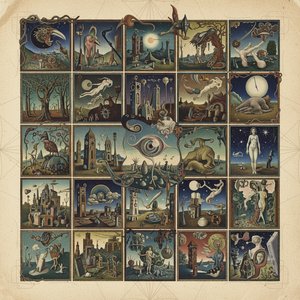
    • Bosque y Paloma
  • Sus pinturas a menudo presentan imágenes simbólicas, incluyendo pájaros (particularmente su alter ego Loplop), paisajes y yuxtaposiciones inquietantes.

Vida Tardía y Legado

  • Ernst se trasladó a Estados Unidos durante la Segunda Guerra Mundial, continuando pintando y experimentando con nuevas técnicas.
  • Regresó a Francia después de la guerra y permaneció activo hasta su muerte el 1 de abril de 1976, en París.
  • Significado Histórico: Las contribuciones de Max Ernst a Dada y Surrealismo fueron innovadoras. Desafió las normas artísticas, exploró la mente subconsciente e inventó técnicas innovadoras que continúan inspirando a los artistas de hoy en día.
  • Sigue siendo una de las figuras más importantes e influyentes del arte del siglo XX.

Max Ernst

Max Ernst

1891 - 1976 , Alemania

Datos clave

  • Artistas Influenciados: ['Muchos artistas posteriores']
  • Artistas Que Influyeron:
    • Pablo Picasso
    • Vincent van Gogh
    • Paul Gauguin
    • Sigmund Freud
  • Fecha De Muerte: 1 de abril de 1976
  • Fecha De Nacimiento: 1 de abril de 1891
  • Lugar De Nacimiento: Brühl, Alemania
  • Movimiento Artístico: Dadaísmo y Surrealismo
  • Nacionalidad: Alemán/Americano/Francés
  • Nombre Completo: Max Ernst
  • Obras Notables:
    • La Ciudad Entera
    • Euclides
    • Bosque y Paloma
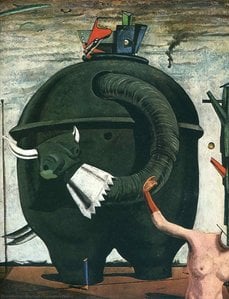
    • El Elefante de Célebes
Explore obras de arte organizadas por temas, estilos y características.