


Óleo sobre lienzo pintado a mano en el tamaño y marco de su elección, realizado por encargo por nuestros artistas. ( Comprar impresión Comprar imagen)





























Elija entre nuestros tamaños predefinidos que respetan las proporciones originales de la obra.

Puede ingresar sus propias dimensiones para adaptarse a un marco o espacio específico. Si el tamaño seleccionado no coincide con las proporciones de la imagen original, recortaremos la obra o extenderemos la pintura con elementos adicionales pintados a mano. Se le enviará una maqueta digital para su aprobación antes de comenzar la producción.
Tenga en cuenta que la vista previa en pantalla no refleja el recorte o la extensión reales. Solo la maqueta mostrará con precisión la composición final.
Si bien existen tamaños personalizados, recomendamos seleccionar una dimensión de la lista predefinida para preservar las proporciones originales.
Envío a todo el mundo () en 3-4 semanas en lugar de las 5 semanas estándar. (7 septiembre). Sin comprometer la calidad.


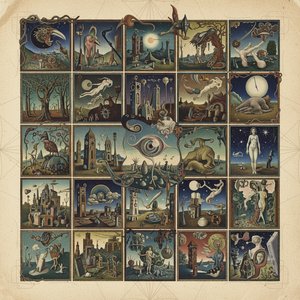
Compendio di storia universale
Dimensiones de la reproducción
Max Ernst’s “Compendio di storia universale” presents an arresting visual paradox – a monumental canvas dominated by a seemingly simple red background, yet teeming with layers of complex meaning and unsettling psychological depth. This large-scale work, dating from the artist's prolific output, immediately confronts the viewer with a fragmented face, constructed not through traditional representational techniques but through a deliberate collage of shapes, colors, and subtly layered imagery. It’s a piece that demands prolonged observation, rewarding the patient eye with an increasingly intricate tapestry of anxieties and reflections on the nature of history itself.
Understanding “Compendio di storia universale” requires acknowledging Max Ernst’s unique intellectual background. Born in 1891 in Brühl, Germany, Ernst was a voracious reader and student of philosophy, art history, psychology, and psychiatry – disciplines he pursued with an almost obsessive intensity at the University of Bonn. This interdisciplinary approach profoundly shaped his artistic vision, leading him to reject representational realism in favor of exploring the subconscious mind and challenging established notions of truth and perception. His work is less about depicting a specific reality than it is about excavating hidden anxieties and confronting the viewer with uncomfortable questions about human existence.
The red background itself is laden with symbolic weight. Red has long been associated with passion, violence, and primal instincts – emotions that Ernst frequently explored in his work. The distorted face evokes a sense of unease and vulnerability, suggesting the fragility of human identity in the face of overwhelming historical forces. The inclusion of multiple faces within the background creates a feeling of claustrophobia and suggests the burden of collective memory. “Compendio di storia universale” is not a comfortable image; it’s a powerful and unsettling meditation on the complexities of human experience, inviting viewers to confront their own anxieties about the past and the future.


1891 - 1976 , Alemania
Descubre las 25 obras maestras de Max Ernst, el rey del surrealismo. Explora su arte onírico, técnicas innovadoras y simbolismo profundo. Reproducciones de alta calidad para decorar tu hogar con estilo en WahooArt.com

Descubre las 25 obras maestras de Wassily Kandinsky, pionero del arte abstracto. Explora su expresionismo, composiciones únicas y la historia detrás de cada cuadro. Reproducciones de alta calidad para decorar tu hogar con arte moderno en WahooArt.com.

Descubre las 10 obras maestras del Expresionismo Abstracto: Pollock, Rothko y más. Explora la historia, técnica y significado de estos lienzos icónicos. Reproducciones de arte exclusivas en .

Descubre las 10 obras maestras de la abstracción geométrica que revolucionaron el arte moderno. Explora a Mondrian, Malevich y Kandinsky en WahooArt.com. Reproducciones de alta calidad para tu hogar.

Descubre las 25 obras maestras de Mark Rothko, pionero del expresionismo abstracto. Explora la historia, el significado y los colores vibrantes que definen su arte emocional. Reproducciones de alta calidad en WahooArt.com.

 Ver en contexto
 Enviar
 Compartir
 Detalles

 Descargar
 Similares
 Radiografía
 Presentación de diapositivas

 Ver más







 La opción de vidrio solo está disponible en tamaños inferiores a 110 cm.


