Obtenga un archivo listo para imprimir que supera con creces la vista previa web. Cada imagen digital que vendemos proviene de un maestro de alta resolución de nuestro archivo —generalmente de entre 5.000 y 15.000 píxeles de ancho— para que pueda realizar impresiones de gran formato, recortar con precisión o reproducir detalles minuciosos con total confianza.
Ningún archivo sale de nuestro estudio sin ser intervenido. Un experto digital coteja los colores con la pintura original y los corrige si es necesario, para luego mejorar la claridad y el detalle mediante herramientas de retoque profesional —siempre manteniendo la fidelidad a la pincelada y al estilo del artista. El resultado es una imagen que evoca la esencia de la pintura, no un escaneo con filtros.
Aprobación previa al finalizar: nuestro experto le enviará la imagen por correo electrónico en un plazo de 72 horas para su revisión. ¿No está satisfecho? Puede solicitar mejoras o correcciones, o pedir un reembolso si la calidad no cumple con sus expectativas.
Esta es la calidad en la que confían editoriales, estudios de diseño, galerías e imprentas.
Descarga un archivo de alta resolución para exhibición personal, impresión y proyectos creativos. ( Cambiar a impresiones Comprar pintura hecha a mano)
Al elegir WahooArt.com, no solo está adquiriendo una imagen; está recibiendo una obra de arte digital mejorada profesionalmente, elaborada con precisión y respaldada por una garantía de satisfacción. Esto es todo lo que incluye su pedido, automáticamente:
Recibirá su archivo de imagen digital en alta resolución por correo electrónico en un plazo de 72 horas tras realizar su pedido, listo para su uso inmediato.
Su obra de arte se optimiza profesionalmente mediante herramientas avanzadas de IA y edición manual, garantizando el máximo detalle, claridad y precisión cromática.
¿Has borrado o perdido tu archivo por error? No te preocupes: te lo volveremos a enviar en cualquier momento, sin coste adicional.
Disfrute de su obra de arte al instante sin aduanas, aranceles ni gastos de envío; las descargas digitales siempre están libres de impuestos.
Garantizamos que su imagen digital refleje los colores originales con la mayor fidelidad posible, mediante el uso de herramientas profesionales y gestión del color.
Si no está satisfecho con su imagen digital, la revisaremos o le reembolsaremos el 100% en un plazo de 100 días, sin preguntas.
¿No está satisfecho? Obtenga un reembolso completo dentro de los 100 días posteriores a la recepción de su archivo digital, sin necesidad de explicaciones.
Compra 3 imágenes, ahorra 10% - Compra 5, ahorra 15% - Compra 10+, ahorra 20%. Ideal para proyectos creativos, galerías y agencias.
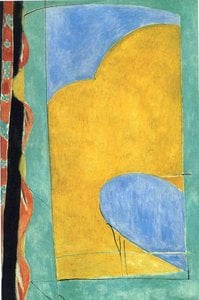
Max Ernst’s “At the First Clear Word,” painted in 1923, isn't merely a visual composition; it’s an invitation into a dreamscape—a meticulously crafted portal to the subconscious. This oil on canvas piece, now housed within the Kunstsammlung Nordrhein-Westfalen in Düsseldorf, exemplifies Ernst’s mastery of Surrealism, a movement that sought to liberate art from the constraints of reason and embrace the irrationality of the human mind. The painting immediately captivates with its unsettling beauty, a blend of familiar forms rendered in an utterly unfamiliar context – a testament to Ernst's innovative approach to creating a world both recognizable and profoundly strange.
The central figure—a solitary individual reaching through a window—immediately establishes a sense of isolation and yearning. Their outstretched hand, holding an apple, is the focal point, drawing the viewer into the scene’s enigmatic narrative. The inclusion of two potted plants flanking this figure adds layers of symbolic weight; they represent not just botanical elements but also potential sources of knowledge, nourishment, or even temptation – a recurring motif in Ernst's work, often reflecting on the duality of desire and restraint. The apple itself, a potent symbol throughout art history, hints at forbidden knowledge and the allure of transgression.
Ernst’s technique is nothing short of masterful. He employs a muted color palette—primarily blues, browns, and ochres—to create an atmosphere of quiet contemplation and subtle unease. The landscape itself feels both real and fabricated, grounded in a recognizable form yet distorted by the artist's deliberate manipulation of perspective and scale. The use of frottage – a technique he pioneered involving rubbing textured materials onto canvas – is particularly evident in the background details, adding an almost tactile quality to the scene. This layering of textures contributes significantly to the painting’s dreamlike atmosphere, blurring the boundaries between reality and imagination.
“At the First Clear Word” is deeply rooted in the Surrealist movement, which emerged from the ashes of World War I as a reaction against the perceived failures of logic and reason. Influenced by artists like André Breton, Salvador Dalí, and René Magritte, Ernst sought to tap into the unconscious mind, exploring themes of desire, anxiety, and the irrationality of human experience. The painting’s composition can be interpreted through various lenses: it could represent a moment of awakening, a yearning for connection, or perhaps a confrontation with one's own inner demons. The presence of the small figure in the background—a subtle detail often overlooked—suggests a secondary narrative, adding to the painting’s complexity and inviting multiple interpretations.
Furthermore, Ernst’s work was profoundly shaped by his experiences during World War I, a period that instilled in him a deep skepticism towards societal norms and a fascination with the darker aspects of human nature. This disillusionment is subtly reflected in the painting's unsettling atmosphere and its exploration of themes such as isolation and alienation.
“At the First Clear Word” stands as a powerful example of Max Ernst’s artistic genius—a testament to his ability to create works that are both visually arresting and intellectually stimulating. It's a painting that lingers in the mind long after it has been viewed, prompting reflection on the nature of reality, the power of the subconscious, and the enduring allure of the unknown. Today, reproductions of this iconic piece offer art enthusiasts a unique opportunity to bring this captivating vision into their homes, adding a touch of surreal mystery and intellectual depth to any space. Explore more Surrealist masterpieces at WahooArt.com, including “The Wavering Woman,” another compelling exploration of the human psyche by Max Ernst.
"Al primer palabra clara" de Max Ernst combina surrealism, apple, window, symbolism, landscape, dreamlike, ernst, mystery con una atmósfera Místico.
Dentro del movimiento Surrealism, "Al primer palabra clara" se presenta con un tono Misterioso.
Se recomienda una reproducción de "Al primer palabra clara" de Max Ernst para Pieza central, basándose en el tema, la atmósfera y los colores de la obra.


1891 - 1976 , Alemania
 Ver en contexto
 Enviar
 Compartir
 Detalles
 Guía
Guía

 Descargar
 Similares
 Radiografía
 Presentación de diapositivas
 Preguntas y respuestas
 Estadísticas

 Ver más