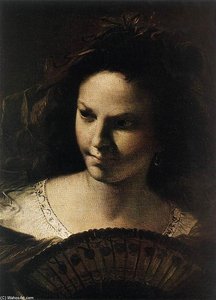
A Moment of Herculean Resolve: Mattia Preti’s “Flying Angel”
Mattia Preti's "Flying Angel," painted in 1630, is more than just a depiction of physical labor; it’s a potent distillation of Baroque drama and the human spirit’s capacity for endurance. This arresting canvas, currently housed within the Kunstpalast museum in Düsseldorf, immediately commands attention with its dynamic composition and masterful use of chiaroscuro – the dramatic interplay of light and shadow that was Preti's signature style. The scene unfolds outdoors, bathed in a golden, almost theatrical light, highlighting the straining figure of a man undertaking an immense task: lifting a heavy stone from the ground. The sheer physicality of the exertion is palpable; every muscle flexes, every vein throbs with effort, rendered with astonishing realism by Preti’s skilled hand.
Preti, known as “Il Cavalier Calabrese,” was a pivotal figure in 17th-century Italian Baroque painting. Born in Taverna, Calabria, he carried the influence of Giovanni Battista Caracciolo, a key proponent of Caravaggio's dramatic style, shaping his early artistic development. This foundation is evident in the painting’s stark contrasts and intense emotionality. The man lifting the stone isn’t merely working; he’s battling against gravity itself, embodying a struggle that resonates deeply within the viewer.
The Anatomy of Effort: Technique and Composition
Examining the technical details reveals Preti's meticulous approach. He masterfully employs *sfumato*, subtly blurring edges to create an illusion of depth and volume, particularly in the depiction of the stone and the man’s straining body. The musculature is rendered with anatomical precision, yet retains a sense of dynamism – it’s not simply a study of anatomy but a celebration of strength. The composition itself is carefully constructed; the diagonal thrust of the lifting arm creates a powerful visual rhythm, drawing the eye towards the central figure and reinforcing the feeling of movement. The two figures in the background—one on the left, another further back on the right—add context without distracting from the primary action, suggesting a collaborative effort or perhaps the silent support of onlookers.
The color palette is rich and vibrant, dominated by earthy tones – ochre, browns, and reds – punctuated by flashes of light. These colors not only contribute to the painting’s dramatic effect but also evoke the heat of the sun and the dust kicked up by the exertion. The use of red, particularly in the man's clothing and the stone itself, adds a layer of symbolic intensity, representing both passion and sacrifice.
Symbolism and Context: A Knight’s Duty
The subject matter itself carries significant weight within the context of Preti’s life. Appointed a Knight of the Order of Saint John in 1660, he brought with him the traditions and values of that esteemed military order. The act of lifting the stone can be interpreted as a metaphor for overcoming obstacles, fulfilling one's duty, and enduring hardship – themes central to the Knights’ ethos. The painting was likely commissioned as an *ex voto*, a votive offering intended to express gratitude for deliverance from adversity, perhaps after surviving a plague outbreak.
Further research reveals that Preti spent much of his career in Malta, transforming the interior of St. John's Co-Cathedral with monumental frescoes depicting scenes from the life and martyrdom of Saint John the Baptist. This experience undoubtedly influenced his artistic sensibilities, contributing to the dramatic intensity and religious fervor evident in “Flying Angel.” The painting’s journey through various collections – from Naples to Düsseldorf – underscores its enduring appeal and historical significance.
A Timeless Image: Reproduction and Interior Design
"Flying Angel" is a powerful testament to Preti's artistic genius, capturing not just a moment of physical exertion but also the profound depths of human resilience. WahooArt offers meticulously crafted hand-painted reproductions that faithfully recreate the painting’s original beauty and emotional impact. These high-quality reproductions are ideal for adorning walls in homes, offices, or galleries, bringing a touch of Baroque drama and timeless inspiration to any space. Consider framing options to further enhance the artwork's visual presence – a classic wooden frame would complement the painting's traditional style, while a more contemporary metal frame could offer a striking contrast.
Whether you’re an art enthusiast, a collector seeking a significant addition to your collection, or simply someone looking for a captivating piece of art to elevate your surroundings, WahooArt’s “Flying Angel” reproduction provides a remarkable opportunity to experience the enduring legacy of Mattia Preti.



 Vista previa
 Encargar reproducción pintada a mano
 Compartir
 Compartir
 Ver detalles

 Descargar
 Ver artículos similares
 Radiografía
 Presentación de diapositivas
 Estadísticas


 Leer más






































 La opción de vidrio solo está disponible en tamaños inferiores a 110 cm.