Vende tu arte
x
Vista previaVista previa Vista previa en RAVista previa en RA Cambiar a pintura hecha a mano Cambiar a pintura hecha a manoCambiar a imagen Cambiar a imagen CompartirCompartir
Ver detallesVer detalles Añadir a favoritos Añadir a favoritos DescargarDescargar Ver similaresVer similares RadiografíaRadiografía Presentación de diapositivasPresentación de diapositivas

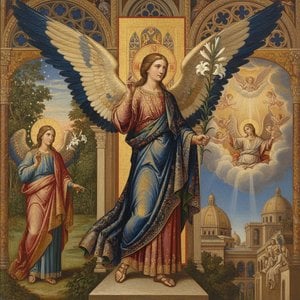
Annunciation

Witness the divine! Matteo Giovanetti's 1345 Annunciation depicts Mary’s acceptance of Gabriel’s message, showcasing Gothic artistry & a pivotal moment in Christian faith at the Louvre.

Descubre a Matteo Giovanetti (1322-1368), pintor de Viterbo conocido por su retablo de la Anunciación y San Hermágoras. Explora el arte del Renacimiento temprano italiano con sus escenas devocionales y gran detalle.

Giclée / Impresión de arte

Impresiones giclée o en lienzo de calidad de museo con producción rápida y opciones de acabado flexibles. (Cambiar a pintura hecha a mano Cambiar a pintura hecha a manoCambiar a imagen Cambiar a imagen)

P118B $10
P118H $10
P118W $10
P438Z $10
P508JH $12
P508YH $12
P805H $10
P805Z $10
P919BZ $10
P919G $10
P919XJ $10
P959ZH $10
P968JZ $12
W106C $8
W218G $10
W218JH $8
W218Y $10
W307PJ $10
W316G $10
W316PJ $8
W316Y $10
W398PJ $8
W4111J $10
W500HY $15
W500JH $15
W692G $12
W849H $8
W940BG $15
W953PJ $8

Standard
custom
CM
INCH

Elija entre nuestros tamaños predefinidos que respetan las proporciones originales de la obra.

ancho
altura

Puede introducir sus propias dimensiones para adaptarse a un marco o espacio específico. Si el tamaño seleccionado no coincide con las proporciones de la imagen original, recortaremos la obra de arte o extenderemos la imagen con un borde con efecto espejo o de color sólido. Se enviará una maqueta digital para su aprobación antes de que comience la producción.
Tenga en cuenta que la vista previa en pantalla no refleja el recorte o la extensión real. Solo la maqueta mostrará con precisión la composición final.
Aunque existen tamaños personalizados, recomendamos seleccionar una dimensión de la lista predefinida para preservar las proporciones originales.

Envío a todo el mundo () en 2 semanas en lugar de las 4/5 semanas estándar. (10 agosto)

why_choose_icon
Envío exprés gratuito a todo el mundo
why_choose_icon
Lienzo de lino de alta calidad
why_choose_icon
Seguro de envío completo
why_choose_icon
Garantía de reembolso de aranceles aduaneros
why_choose_icon
Garantía de fidelidad cromática exacta
why_choose_icon
Política de devolución de 60 días (solo por defectos)
why_choose_icon
Garantía de devolución del 100% del dinero
why_choose_icon
Oferta por volumen

Precio total

$ 68

reproduction

Annunciation

Giclée / Impresión de arte

Tamaño de la reproducción

-

Precio total

$ 68

Datos clave

  • Medium: Wood panel
  • Subject or theme: Christian Narrative
  • Title: Annunciation
  • Dimensions: 41 x 22 cm
  • Year: 1345
  • Artist: Matteo Giovanetti
  • Movement: Gothic Art

Cuestionario de arte

Cada pregunta tiene una única respuesta correcta.

Pregunta 1:
What is the primary subject depicted in Matteo Giovanetti’s ‘Annunciation’?
Pregunta 2:
In what century was Matteo Giovanetti’s ‘Annunciation’ painted?
Pregunta 3:
The painting utilizes a triangular composition. What does this compositional element primarily emphasize?
Pregunta 4:
What artistic style is most closely associated with Matteo Giovanetti’s ‘Annunciation’?
Pregunta 5:
The painting is currently housed in which museum?

Descripción de la pieza

The Serene Revelation: Matteo Giovanetti’s Annunciation

Matteo Giovanetti's Annunciation, painted around 1345 in Viterbo, Italy, is more than just a depiction of a pivotal biblical moment; it’s a poignant meditation on faith, humility, and the miraculous. This exquisite wooden panel, now residing within the hallowed halls of the Louvre Museum in Paris, offers a rare glimpse into the burgeoning artistic spirit of early Renaissance Italy – a period marked by both fervent religious devotion and a nascent exploration of naturalism.

The painting immediately draws the viewer into its carefully constructed composition. Giovanetti masterfully divides the scene into two distinct triangular zones, mirroring the duality inherent in the Annunciation itself: the earthly realm of Mary and the divine intervention of the Archangel Gabriel. The angel, rendered in profile with wings outstretched and a halo radiating an ethereal glow, dominates the left-hand triangle. His gesture – a pointing hand towards the expectant Virgin – is both commanding and gentle, conveying the weight of the momentous news he carries. Mary, positioned within the right triangle, appears serene yet profoundly moved; her posture suggests contemplation and acceptance as she receives Gabriel’s message.

A Gothic Foundation, Renaissance Echoes

Giovanetti's style is deeply rooted in the traditions of Gothic art, particularly evident in the bold outlines, vibrant colors – primarily reds, blues, and golds – and the emphasis on symbolic representation. However, subtle shifts towards a more naturalistic approach foreshadow the stylistic developments that would characterize the High Renaissance. The figures possess a certain solidity and volume, moving beyond the stylized forms often found in earlier Gothic works. The use of light is particularly effective, illuminating Mary’s face and highlighting the angel's radiant halo, creating a sense of divine presence.

Despite its adherence to established conventions, the Annunciation also reveals Giovanetti’s innovative spirit. The background remains deliberately simple – a plain red ground for the angel’s section and a similar hue for Mary’s – avoiding elaborate architectural details or distracting landscapes. This minimalist approach focuses attention squarely on the central figures and their interaction, reinforcing the painting's spiritual message.

Symbolism Woven into the Narrative

Every element within this Annunciation is laden with symbolic meaning. The scroll held by the angel represents divine knowledge and the promise of salvation through Christ’s birth. Mary’s book symbolizes her role as a vessel for God's grace, while the halos surrounding both figures signify their holiness and connection to the divine realm. The carefully chosen colors – red representing passion and sacrifice, blue symbolizing heaven and faith – further enhance the painting’s symbolic richness.

Notably, the absence of any explicit depiction of the infant Jesus is deliberate. Giovanetti wisely avoids prematurely revealing the culmination of this miraculous event, allowing the viewer to contemplate the profound implications of Mary's acceptance of God’s will. The scene is a moment of anticipation, a silent promise of future glory.

A Masterpiece Preserved – and Reproduced

The Annunciation by Matteo Giovanetti stands as a testament to the artist’s skill and his deep understanding of religious iconography. Its enduring appeal lies not only in its technical brilliance but also in its ability to evoke a sense of wonder, reverence, and profound human emotion. Today, reproductions of this iconic work offer art enthusiasts and interior designers alike an opportunity to bring this timeless masterpiece into their homes, allowing them to experience the serenity and spiritual depth of Giovanetti’s vision.

For further exploration of Matteo Giovanetti's life and works, please visit WahooArt. You may also find inspiration in the works of Jacobello Del Fiore and Leonardo Da Vinci, accessible through links provided above.


Biografía del artista

La Visión Sagrada de Matteo Giovanetti

En el corazón de la Italia del siglo XIV, en medio del despertar espiritual del temprano Renacimiento, el nombre de Matteo Giovanetti emergió como un faro de maestría devocional. Nacido alrededor del año 1300 en la histórica ciudad de Viterbo, Giovanetti fue más que un simple pintor; fue un teólogo visual cuyo pincel capturó la profunda intersección entre la emoción humana y la gracia divina. Aunque gran parte de su historia personal permanece envuelta en las brumas de la era medieval —con fragmentos biográficos hallados a menudo solo en la correspondencia papal—, su presencia artística es innegablemente monumental. La obra de su vida sirve como un puente vital entre las rígidas y simbólicas tradiciones del periodo gótico y el floreciente naturalismo que pronto definiría el Renacimiento italiano.

El desarrollo del estilo de Giovanetti sugiere un profundo viaje intelectual y espiritual. Los estudiosos creen ampliamente que su formación estuvo profundamente arraigada tanto en el estudio teológico como en un riguroso aprendizaje artístico. Esta educación dual le permitió infundir sus composiciones con una capa de profundidad escritural que resonaba tanto en el clero como en el pueblo llano. Al absorber las corrientes estilísticas que fluían de los grandes maestros de la Toscana y Umbría, Giovanetti comenzó a sintetizar un lenguaje visual único. Se inspiró en el peso monumental y la claridad estructural de Giotto di Bondone, mientras abrazaba simultáneamente la elegancia lírica y la gracia refinada presentes en las obras de Simone Martini. Este delicado equilibrio entre la fuerza y la delicadeza se convirtió en el sello distintivo de su identidad creativa.

Obras Maestras de Devoción y Luz

El legado de Matteo Giovanetti se sustenta en dos extraordinarios retablos que continúan cautivando la imaginación moderna. Su Anunciación, datada aproximadamente en 1345, se erige como un testimonio impresionante de su capacidad para representar lo milagroso. En esta obra, el momento en que María acepta el mensaje de Gabriel se captura con una quietud conmovedora. A través del uso de drapeados simplificados y una perspectiva controlada y plana, Giovaniente dirige la mirada del espectador hacia la gravedad espiritual del encuentro. La pintura no se limita a representar una escena; invita a los fieles a un diálogo sagrado, utilizando la luz y la forma para evocar la esencia misma de la intervención divina.

Igualmente significativa es su obra maestra, San Hermágoras y el donante San Fortunato. Esta pieza ofrece una ventana íntima al tejido social y espiritual del siglo XIV. Al representar tanto a una figura santa como a un donante humano, Giovanetti logra un raro sentido de continuidad temporal, tendiendo un puente entre el reino celestial y la presencia terrenal de sus mecenas. La pintura se caracteriza por:

  • Reverencia Espiritual: Un profundo sentido de piedad que impregna cada pincelada.
  • Precisión Técnica: Una maestría temprana del detalle que insinúa el realismo renacentista que se avecinaba.
  • Profundidad Narrativa: La capacidad de tejer temas teológicos complejos en una experiencia visual única y cohesiva.

A través de estas obras, Giovanetti alcanzó un nivel de importancia histórica que trasciende su época. Fue un pionero que ayudó a la transición del paisaje italiano desde las complejidades ornamentales del estilo gótico hacia una forma de arte más expresiva y centrada en lo humano. Su habilidad para armonizar lo etéreo con lo tangible aseguró que sus retablos no fueran solo objetos de belleza, sino instrumentos esenciales de culto y registro histórico.

Matteo Giovanetti

Matteo Giovanetti

1322 - 1368 , Italia

Datos clave

  • Artistic Movement Or Style: Prerrenacimiento italiano
  • Date Of Birth: ca. 1300
  • Date Of Death: ca. 1368
  • Full Name: Matteo Giovanetti da Viterbo
  • Nationality: Italiano
  • Notable Artworks:
    • La Anunciación
    • San Hermágoras y el donante San Fortunato
  • Place Of Birth: Viterbo, Italia