Vista previa Vista previa en RA Encargar reproducción pintada a mano Ver versión en imagen digital Compartir
Ver detalles Guía Añadir a favoritos Descargar Ver artículos similares Radiografía Presentación de diapositivas Estadísticas

No Interviews, Please

Marlene Dumas’s paintings explore themes of vulnerability and identity through minimalist compositions featuring portraits of anonymous figures. Her technique utilizes acrylic paint on paper to create textured surfaces that convey subtle emotional states.

Marlene Dumas (nacida en 1953) es una pintora sudafricana reconocida por sus retratos emocionalmente resonantes que exploran la raza, la sexualidad, la identidad y la vulnerabilidad. Una artista contemporánea líder en la tradición romántica.

La obra de arte que se muestra en esta página está protegida por las leyes de propiedad intelectual, lo que significa que no podemos crear ni vender legalmente una reproducción idéntica. Esta protección se hace cumplir en virtud de acuerdos internacionales como el Convenio de Berna y por las leyes nacionales, incluidas aquellas establecidas por el Ley de derechos de autor de los EE. UU. - Título 17.

Este método cumple plenamente con las normativas de derechos de autor, ya que no implica la copia ni la duplicación de la obra protegida. En su lugar, se trata de una reinterpretación creativa: una nueva pintura influenciada por la original, pero que no es idéntica a ella.

Giclée / Impresión de arte

Impresiones giclée o en lienzo de calidad de museo con producción rápida y opciones de acabado flexibles. ( Encargar reproducción pintada a mano Ver versión en imagen digital)

Corner sample of the P118B picture frame: moulded polystyrene, 5 cm wide and 3 cm thick
P118B €10
Corner sample of the P118H picture frame: moulded polystyrene, 5 cm wide and 3 cm thick
P118H €10
Corner sample of the P118W picture frame: moulded polystyrene, 5 cm wide and 3 cm thick
P118W €10
Corner sample of the P438Z picture frame: moulded polystyrene, 5.5 cm wide and 3.5 cm thick
P438Z €10
Corner sample of the P508JH picture frame: moulded polystyrene, 7 cm wide and 3.5 cm thick
P508JH €12
Corner sample of the P508YH picture frame: moulded polystyrene, 7 cm wide and 3.5 cm thick
P508YH €12
Corner sample of the P805H picture frame: moulded polystyrene, 5 cm wide and 3.5 cm thick
P805H €10
Corner sample of the P805Z picture frame: moulded polystyrene, 5 cm wide and 3.5 cm thick
P805Z €10
Corner sample of the P919BZ picture frame: moulded polystyrene, 7 cm wide and 3.5 cm thick
P919BZ €10
Corner sample of the P919G picture frame: moulded polystyrene, 7 cm wide and 3.5 cm thick
P919G €10
Corner sample of the P919XJ picture frame: moulded polystyrene, 7 cm wide and 3.5 cm thick
P919XJ €10
Corner sample of the P959ZH picture frame: moulded polystyrene, 5 cm wide and 3 cm thick
P959ZH €10
Corner sample of the P968JZ picture frame: moulded polystyrene, 6 cm wide and 4 cm thick
P968JZ €12
Corner sample of the W106C picture frame: solid wood, 5 cm wide and 3 cm thick
W106C €8
Corner sample of the W218G picture frame: solid wood, 5 cm wide and 3 cm thick
W218G €10
Corner sample of the W218JH picture frame: solid wood, 5 cm wide and 3 cm thick
W218JH €8
Corner sample of the W218Y picture frame: solid wood, 5 cm wide and 3 cm thick
W218Y €10
Corner sample of the W307PJ picture frame: solid wood, 6 cm wide and 3 cm thick
W307PJ €10
Corner sample of the W316G picture frame: solid wood, 6 cm wide and 3 cm thick
W316G €10
Corner sample of the W316PJ picture frame: solid wood, 6 cm wide and 3 cm thick
W316PJ €8
Corner sample of the W316Y picture frame: solid wood, 6 cm wide and 3 cm thick
W316Y €10
Corner sample of the W398PJ picture frame: solid wood, 5 cm wide and 3 cm thick
W398PJ €8
Corner sample of the W4111J picture frame: solid wood, 6.5 cm wide and 3.5 cm thick
W4111J €10
Corner sample of the W500HY picture frame: solid wood, 7 cm wide and 5 cm thick
W500HY €15
Corner sample of the W500JH picture frame: solid wood, 7 cm wide and 5 cm thick
W500JH €15
Corner sample of the W692G picture frame: solid wood, 8 cm wide and 4 cm thick
W692G €12
Corner sample of the W849H picture frame: solid wood, 5 cm wide and 3 cm thick
W849H €8
Corner sample of the W940BG picture frame: solid wood, 7.5 cm wide and 4.5 cm thick
W940BG €15
Corner sample of the W953PJ picture frame: solid wood, 6 cm wide and 3.5 cm thick
W953PJ €8

Estándar
personalizado
CM
INCH

Elija entre nuestros tamaños predefinidos que respetan las proporciones originales de la obra.

ancho
altura

Puede introducir sus propias dimensiones para adaptarse a un marco o espacio específico. Si el tamaño seleccionado no coincide con las proporciones de la imagen original, recortaremos la obra de arte o extenderemos la imagen con un borde con efecto espejo o de color sólido. Se enviará una maqueta digital para su aprobación antes de que comience la producción.
Tenga en cuenta que la vista previa en pantalla no refleja el recorte o la extensión real. Solo la maqueta mostrará con precisión la composición final.
Aunque existen tamaños personalizados, recomendamos seleccionar una dimensión de la lista predefinida para preservar las proporciones originales.

Envío a todo el mundo () en 2 semanas en lugar de las 4/5 semanas estándar. (11 octubre)

Envío exprés gratuito a todo el mundo
Lienzo de lino de alta calidad
Seguro de envío completo
Garantía de reembolso de impuestos aduaneros
Garantía de fidelidad cromática exacta
Política de devolución de 100 días (solo por defectos)
Garantía de devolución del 100% del dinero
Oferta por volumen

Precio total

€ 59

No Interviews, Please

Giclée / Impresión de arte

Tamaño de la reproducción

-

Precio total

€ 59

Datos clave

  • Influences: Landscape
  • Artistic style: Figurative painting
  • Notable elements or techniques: Text and image combination
  • Title: No Interviews, Please
  • Movement: Contemporary Romanticism
  • Artist: Marlene Dumas
  • Dimensions: 30 cm x 22 cm

Cuestionario de arte

Cada pregunta tiene una única respuesta correcta.

Pregunta 1:
What is Marlene Dumas known for?
Pregunta 2:
The image shows a collection of artworks by Marlene Dumas. What medium is primarily used for these paintings?
Pregunta 3:
What influences shaped Dumas's artistic vision?
Pregunta 4:
Approximately how many people are depicted in the artworks showcased?
Pregunta 5:
What is a prominent characteristic of Dumas's artistic style, as reflected in her work?

A Window into Emotion: Exploring Marlene Dumas's Artistic Vision

Marlene Dumas (b. 1953) stands as a singular voice in contemporary art—a painter whose work transcends mere visual representation, delving into the depths of human experience with unflinching honesty and profound sensitivity. Her oeuvre is characterized by a distinctive approach: she eschews grand narratives or overtly expressive gestures, instead favoring meticulously crafted portraits that capture fleeting moments of emotion and subtly convey complex psychological states.

  • Subject Matter: Dumas’s subjects—often anonymous figures—are presented with remarkable immediacy. These aren't idealized representations but raw glimpses into human vulnerability, confronting viewers with uncomfortable truths about identity and perception.
  • Style: Her style leans heavily toward Minimalism, prioritizing stark simplicity in composition and color palettes. This deliberate restraint serves to amplify the emotional impact of her images, forcing us to confront the unspoken narratives residing beneath the surface.

Acrylic on Paper: Technique and Texture

Dumas’s favored medium is acrylic paint applied onto paper—a choice that lends itself beautifully to capturing subtle textures and tonal variations. The artist employs a technique of layering thin washes of color, often combined with pencil sketches or crayon marks, creating surfaces that appear deceptively calm yet harbor considerable depth.

  • Material Choice: The use of paper is significant; it embodies fragility and impermanence—themes recurrent throughout Dumas’s artistic explorations.
  • Layering Technique: Her meticulous layering process allows for nuanced gradations of color, mirroring the complexities of human emotion and memory.

Echoes of Apartheid and Sociopolitical Reflection

Born in Cape Town during the era of apartheid—a period marked by institutionalized racial segregation and oppression—Dumas’s formative years instilled within her a deep awareness of social injustice. This experience profoundly informs her artistic vision, prompting her to grapple with questions of race, sexuality, and the psychological burden of existence.

Early Influences: Her upbringing on her father's vineyard witnessed firsthand the divisions inherent in South African society—a landscape simultaneously beautiful and scarred by history. This early exposure fueled her desire to portray human subjects not as symbols of societal ideals but as individuals grappling with their own internal struggles.

Symbolism Beyond Surface Appearance

Despite its apparent simplicity, Dumas’s work is laden with symbolic resonance. The portraits themselves serve as conduits for exploring themes of loss, longing, and unspoken desires—capturing the elusive essence of human experience. Her images invite contemplation and provoke questions about how we perceive ourselves and our relationships to others.

  • Recurring Motifs: Recurring motifs—such as fragmented faces and ambiguous gestures—suggest a preoccupation with the fractured nature of identity and the difficulty of articulating emotion.
  • Emotional Resonance: Ultimately, Dumas’s art succeeds in conveying a palpable sense of melancholy and vulnerability—a testament to her ability to capture the profound emotional truths that lie beneath the veneer of everyday life.

Preguntas y respuestas

¿Quién creó "No Interviews, Please"?

"No Interviews, Please" fue creada por Marlene Dumas. La información en esta página describe la obra original de Marlene Dumas.

¿Cuál es el tamaño de impresión recomendado para "No Interviews, Please" de Marlene Dumas?

El tamaño de impresión recomendado para "No Interviews, Please" de Marlene Dumas es Medium.

¿De dónde vienen los visitantes de "No Interviews, Please" de Marlene Dumas?

Existe una página de Estadísticas para "No Interviews, Please". En ella se registran las visitas mensuales de la obra y de otras obras del artista, con desgloses por país e idioma.

¿Qué edad tenía Marlene Dumas cuando se creó "No Interviews, Please"?

Cuando se creó "No Interviews, Please" en 1989, Marlene Dumas —nacido/a en 1953— tenía 36 años.

¿Permite los derechos de autor de "No Interviews, Please" de Marlene Dumas realizar reproducciones?

"No Interviews, Please" de Marlene Dumas, conservada en Fundación Serralves, es aún protegido por derechos de autor. Este estado determina si se pueden realizar reproducciones de la imagen.

¿Cómo se combinan el contraste y la armonía en "No Interviews, Please"?

El análisis cromático de "No Interviews, Please" de Marlene Dumas registra un Statement contraste y una Strong Color Unity armonía.

¿En qué año se creó "No Interviews, Please"?

"No Interviews, Please" de Marlene Dumas fue creada en 1989.


Biografía del artista

Marlene Dumas: Vida y Arte

Primeros Años y Educación

  • Nacimiento: 1953 en Ciudad del Cabo, Sudáfrica.
  • Dumas creció en Kuils River, Cabo Occidental, donde su padre poseía una viña. Esta crianza inculcó una temprana conciencia del panorama socio-político del apartheid sudafricano.
  • Educación: Estudió arte en la Universidad de Ciudad del Cabo (1972-1975) y posteriormente en Ateliers '63 en Haarlem, Países Bajos.
  • Otros estudios académicos incluyeron el estudio de psicología en la Universidad de Amsterdam (1979-1980), lo que influyó profundamente en su exploración de las emociones humanas y los estados psicológicos en su arte.

Desarrollo Artístico y Estilo

  • Primeras Obras: Dumas comenzó a pintar en 1973, centrándose inicialmente en temas políticos y reflejando su identidad como mujer blanca de ascendencia afrikana dentro del contexto del apartheid.
  • Influencias: Su estilo se basa en el Romanticismo, caracterizado por la intensidad emocional y la experiencia subjetiva. Se inspira en artistas como Egon Schiele y Francis Bacon.
  • La técnica de Dumas a menudo implica el uso de fotografías Polaroid, recortes de revistas e incluso material pornográfico como puntos de referencia para sus pinturas.
  • Estilo de Pintura: Su obra es conocida por sus pinceladas sueltas, figuras distorsionadas y emotivo uso del color. A menudo emplea una técnica de pintura “mojado sobre mojado”, superponiendo pintura fina y gruesa para crear profundidad y textura.

Temas y Materia Prima

  • Temas Clave: Dumas explora constantemente temas complejos como la raza, la sexualidad, la identidad, la violencia, la culpa, la inocencia y la condición humana.
  • Sus sujetos van desde retratos de amigos y amantes hasta representaciones de niños, bailarines de burlesque y figuras de la cultura popular.
  • Resonancia Emocional: Los cuadros de Dumas no son meras representaciones de personas, sino exploraciones de estados emocionales y vulnerabilidades psicológicas.

Logros y Reconocimientos Importantes

  • Retrospectiva en Mediana de Carrera: Su primera gran exposición de museo en Estados Unidos, “Measuring Your Own Grave”, se inauguró en 2008 en el Museo de Arte Contemporáneo, Los Ángeles, y viajó al Museo de Arte Moderno, Nueva York.
  • Éxito en el Mercado del Arte: La venta de su pintura *Jule-die Vrou* (1985) en 2004 la posicionó como una de las tres artistas femeninas vivas cuyas obras se habían vendido por más de 1 millón de dólares.

  • En 2023, *The Schoolboys* (1986–87) alcanzó los 9 millones de dólares en Art Basel Miami Beach.
  • Venta Histórica: En mayo de 2025, *Miss January* (1997) se vendió por 13.6 millones de dólares en Christie's, estableciendo un nuevo récord para una artista femenina viva.
  • Dumas ha sido representada por la Galería David Zwirner desde 2008.

Significado Histórico y Legado

  • Influencia Contemporánea: Marlene Dumas se considera una de las pintoras contemporáneas más importantes. Su obra desafía las nociones convencionales del retrato y explora temas sociales y políticos difíciles con sensibilidad y profundidad.

  • Impacto en el Mundo del Arte: Ha influido en una generación de artistas a través de sus pinturas cargadas de emoción y su disposición a abordar temas tabú.
  • Su arte continúa provocando un diálogo sobre la identidad, la representación y las complejidades de la experiencia humana.
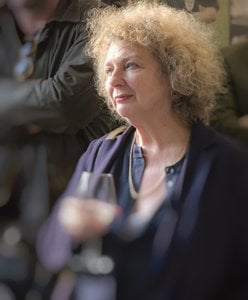
Marlene Dumas

Marlene Dumas

1953 - , Sudáfrica

Datos clave

  • Artistic Movement Or Style: Romanticismo
  • Artists Who Influenced This Artist:
    • Egon Schiele
    • Francis Bacon
  • Country: Sudáfrica
  • Date Of Birth: 1953
  • Full Name: Marlene Dumas
  • Nationality: Sudafricana
  • Notable Artworks:
    • Jule-die Vrou
    • Untitled (681)
    • The Schoolboys
    • Miss January
  • Place Of Birth: Ciudad del Cabo