Asesoría de arte gratuita

x
Encargar reproducción Encargar reproducciónComprar imagen en alta resolución Comprar imagen en alta resolución EnviarEnviar
DetallesDetalles Añadir a favoritos Añadir a favoritos DescargarDescargar SimilaresSimilares RadiografíaRadiografía Presentación de diapositivasPresentación de diapositivas

Untitled [recto] 1

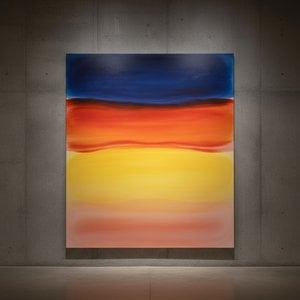
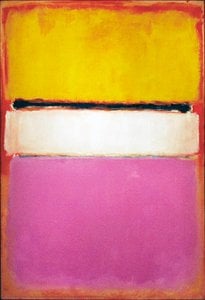
This expansive Rothko Chapel showcases fourteen canvases bathed in shades of black and crimson, reflecting Mark Rothko's profound exploration of spirituality and emotion. Inspired by the chapel’s geometric design and its contemplative atmosphere, Rothko created these monumental paintings as a testament to universal human experience.

Explore la vida y obra de Mark Rothko (1903-1970), un pintor clave del Expresionismo Abstracto. Descubre sus icónicos cuadros de campo de color, su profundidad emocional e impacto perdurable en el arte moderno. #ExpresionismoAbstracto #CamposDeColor #Rothko #HistoriaDelArte

Giclée / Impresión de arte

Impresión giclée o en lienzo de calidad de museo con producción rápida y opciones de acabado flexibles.

P118B $10
P118H $10
P118W $10
P438Z $10
P508JH $12
P508YH $12
P805H $10
P805Z $10
P919BZ $10
P919G $10
P919XJ $10
P959ZH $10
P968JZ $12
W106C $8
W218G $10
W218JH $8
W218Y $10
W307PJ $10
W316G $10
W316PJ $8
W316Y $10
W398PJ $8
W4111J $10
W500HY $15
W500JH $15
W692G $12
W849H $8
W940BG $15
W953PJ $8

Standard
custom
CM
INCH

Elija entre nuestros tamaños predefinidos que respetan las proporciones originales de la obra.

ancho
altura

Puede introducir sus propias dimensiones para adaptarse a un marco o espacio específico. Si el tamaño seleccionado no coincide con las proporciones de la imagen original, recortaremos la obra de arte o extenderemos la imagen con un borde con efecto espejo o de color sólido. Se enviará una maqueta digital para su aprobación antes de que comience la producción.
Tenga en cuenta que la vista previa en pantalla no refleja el recorte o la extensión real. Solo la maqueta mostrará con precisión la composición final.
Aunque existen tamaños personalizados, recomendamos seleccionar una dimensión de la lista predefinida para preservar las proporciones originales.

Entrega mundial () en 2 semanas en lugar de las 4/5 semanas estándar. (5 julio)

why_choose_icon
Envío exprés gratuito a todo el mundo
why_choose_icon
Lienzo de lino de alta calidad
why_choose_icon
Seguro de envío total
why_choose_icon
Garantía de reembolso de impuestos aduaneros
why_choose_icon
Garantía de fidelidad de color
why_choose_icon
Política de devolución de 60 días (solo por defectos)
why_choose_icon
Garantía de devolución del 100% del dinero
why_choose_icon
Descuento por pedido múltiple

Precio total

-

reproduction

Untitled [recto] 1

Giclée / Impresión de arte

Tamaño de la reproducción

-

Precio total final

-

Datos clave

  • Movement: Color Field Painting
  • Location: Rothko Chapel
  • Year: 1970
  • Subject or theme: Existential contemplation
  • Medium: Oil on Canvas
  • Notable elements or techniques: Layered rectangles of color

Test de arte

Solo hay una respuesta correcta para cada pregunta.

Pregunta 1:
What is the dominant color scheme of this painting?
Pregunta 2:
The painting prominently features musical instruments. Which instrument is depicted on the left side?
Pregunta 3:
What architectural style influenced the design of the Rothko Chapel where this artwork is displayed?
Pregunta 4:
Mark Rothko was born in what country?
Pregunta 5:
The artist’s early life experiences instilled a deep sensitivity to human suffering. What historical event contributed to this formative influence?

Descripción de la obra

A Symphony in Color: Exploring Mark Rothko’s Untitled No. 1

The Rothko Chapel stands as an enduring testament to artistic vision and spiritual contemplation—a space deliberately designed to foster introspection amidst the grandeur of modern art. At its heart resides fourteen canvases by Mark Rothko, arguably his most iconic works, collectively known as “Black on Maroon” and “Black on Black.” These paintings are not merely decorative objects; they represent a profound engagement with existential questions concerning life, death, and the human condition.
  • Subject Matter: Rothko’s approach eschews traditional representation. Instead of depicting recognizable figures or landscapes, he presents amorphous blocks of color—primarily shades of black, maroon, and yellow—that seem to bleed into one another. This deliberate abstraction prioritizes emotional resonance over visual accuracy.
  • Style: The paintings embody Rothko’s signature style – Color Field Painting. Developed in the mid-1940s and 50s, this technique involves applying large areas of pigment to canvas without discernible brushstrokes or contours. This method aims to bypass conscious perception and tap into primal feelings.

Technique: Layers of Color and Subtle Texture

Rothko’s meticulous process involved layering thin washes of color onto the canvas, building up tonal variations that create a mesmerizing interplay of light and shadow. He utilized mineral pigments—specifically hematite and manganese dioxide—to achieve the deep maroon hues characteristic of “Black on Maroon.” These pigments were carefully mixed to produce subtle textural nuances – almost imperceptible ridges—that contribute to the overall visual experience. The artist’s insistence on achieving maximum luminosity was paramount; he painstakingly adjusted the varnish to maximize reflectivity, ensuring that each painting radiated an ethereal glow.
  • Pigment Selection: Hematite and manganese dioxide were chosen for their ability to produce rich, saturated colors while maintaining a velvety surface texture.
  • Varnish Application: Rothko applied multiple coats of varnish—specifically nitrocellulose—to enhance the luminosity and reflectivity of the pigment layers.

Historical Context: The Postwar Landscape of Emotion

Rothko’s work emerged from the aftermath of World War II, a period marked by disillusionment and uncertainty. Artists like Rothko sought to express profound psychological states—fear, grief, ecstasy—rather than documenting historical events. He drew inspiration from Eastern Orthodox spirituality, particularly the contemplative rituals of monastic life, which emphasized silence and inward focus. The Chapel itself was conceived as a space for spiritual pilgrimage, mirroring the artist’s desire to create art that transcends rational thought and connects directly with the viewer's subconscious.

Symbolism: Blocks of Color as Vessels of Emotion

The seemingly simple blocks of color in Rothko’s paintings are laden with symbolic significance. Scholars have interpreted them as representations of the divine—the infinite expanse of God’s presence—and as metaphors for human consciousness—the fragmented yet interconnected nature of our inner lives. The horizontal format of the canvases reinforces this sense of stillness and contemplation, inviting viewers to surrender to the emotional power of the artwork.

Emotional Impact: A Journey Into Inner Space

Ultimately, Rothko’s “Untitled No. 1” transcends mere visual perception; it compels us to confront fundamental questions about existence. The painting's hypnotic color palette and subtle textural variations induce a state of meditative calm—a willingness to accept the ambiguities of life without seeking definitive answers. Viewing this masterpiece is akin to embarking on an inner voyage, prompting reflection on themes of mortality, beauty, and the enduring quest for spiritual understanding.

Biografía del artista

vida temprana e influencias

Mark Rothko (Marcus Rothkowitz), un reconocido artista estadounidense, nació el 25 de septiembre de 1903 en Dvinsk, Letonia. Su familia emigró a los Estados Unidos cuando tenía solo diez años. Este cambio cultural influyó más tarde en su estilo artístico.

evolución artística

La obra temprana de Rothko se caracterizó por el **expresionismo abstracto**, un estilo que enfatizaba el proceso de creación del arte más que el producto final. Sus pinturas, como No. 18 (1948) y Untitled (1948), mostraban su enfoque único del color y la forma.
  • **Campo de color:** El uso de campos de color rectangulares audaces por Rothko, a menudo en marcado contraste entre sí, creó una sensación de profundidad y emoción.
  • **Estructura orgánica:** Sus pinturas parecían respirar vida, como si los colores fueran entidades vivientes.

obras notables y exposiciones

  • No. 10 (1950), una pintura que marcó un cambio significativo en el estilo de Rothko, ahora forma parte de la colección del Museo de Arte Moderno.
  • Las murales de Seagram, una serie de pinturas encargadas para el restaurante Four Seasons, mostraron la capacidad de Rothko para adaptar su estilo a diferentes entornos.
  • No. 3 (1950), una pintura que ejemplifica el uso de campos de color rectangulares audaces por Rothko.

vida tardía y legado

La vida de Rothko estuvo marcada por las luchas con la salud mental y un matrimonio tumultuoso. Falleció el 25 de febrero de 1970, a los 66 años. A pesar de sus desafíos, Rothko dejó una huella imborrable en el mundo del arte. Ocre y rojo sobre rojo (campo de color), una pintura que muestra el enfoque único del color de Rothko, se puede encontrar en la colección WahooArt.com. La página de Wikipedia de Mark Rothko proporciona más información sobre su vida y estilo artístico.
Mark Rothko

Mark Rothko

1903 - 1970 , Letonia

Datos clave

  • Artistas Que Influyeron:
    • Edward Hopper
    • Pablo Picasso
  • Fecha De Muerte: 25 de febrero de 1970
  • Fecha De Nacimiento: 25 de septiembre de 1903
  • Influencia En Artistas:
    • Minimalismo
    • Arte contemporáneo
  • Lugar De Nacimiento: Daugavpils, Letonia
  • Movimiento Artístico: Expresionismo Abstracto
  • Nacionalidad: Estadounidense
  • Nombre Completo: Mark Rothko (Marcus Rothkowitz)
  • Obras Notables:
    • No. 18 (1948)

    • No. 10 (1950)
    • Murales Seagram
    • No. 3 (1950)
Explore obras de arte organizadas por temas, estilos y características.