Vende tus obras


x
- Comprar
-
Artistas
Directorio de artistas Los 100 mejores artistas Por periodos artísticos Por orden alfabético Todos los tipos de técnica Todos los medios Por país de nacimiento Por periodo histórico Por sensaciones Por tonos emocionales Por periodos creativosPor colores de la obra Por año de nacimiento Por niveles de intensidad cromática Por conjunto de obra Artistas famosos que cambiaron el mundo El auge de las mujeres artistas Los maestros del Renacimiento Encarga tu obra hoy mismo Cómo trabajamos con coleccionistas privados Creación de portafolios artísticos para el sector corporativo
- Obras de arte
- Medios y estilos
- Museos
-
Artículos
Todos los artículos Los 100 mejores artículos Por palabras clave Por categoría Por estilo y tono Línea del tiempo del arte Guía básica de coleccionismo de arte Comprender los movimientos artísticos Obras maestras a través de la historiaEl color y la emoción en el arte Cómo exhibir arte en casa Arte y emoción: decoración basada en sensaciones y estados de ánimo Guías de decoración por estancia Colecciones estacionales seleccionadas El arte como inversión Arte corporativo: inspire la creatividad en su oficina Regalos de boda y aniversario Historias y testimonios de clientes
-
Servicios
De foto a óleo De foto a impresión artística Tu foto convertida en una obra maestra de arte Asesoría de Arte Personalizada Solicitar presupuesto Encargos privados VIP Tasación de arte Venda como galería Curaduría de arte gratuita Recibe sugerencias de arte gratuitas De la foto al cuadro: el proceso de creación de retratos personalizados Proceso de pintura

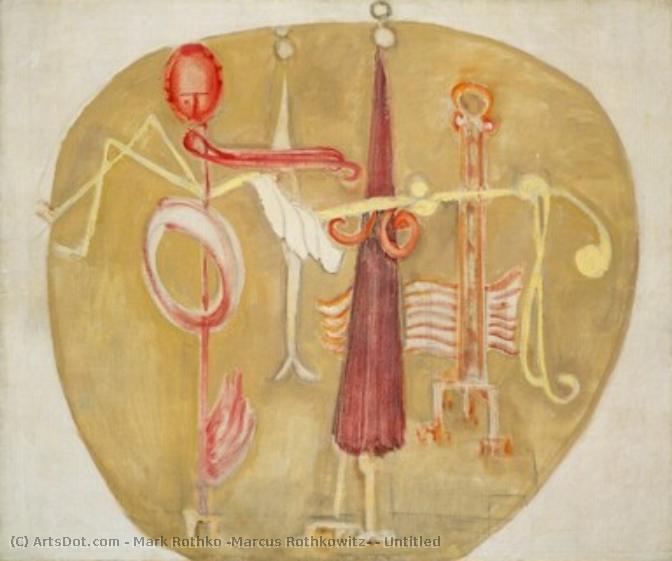
 Vista previa
 Encargar reproducción pintada a mano
 Compartir
 Compartir
 Ver detalles

 Descargar
 Ver similares
 Radiografía
 Presentación de diapositivas


 Leer más






































 La opción de vidrio solo está disponible en tamaños inferiores a 110 cm.