Vista previa Vista previa en RA Encargar reproducción pintada a mano Ver versión en imagen digital Compartir
Ver detalles Guía Añadir a favoritos Descargar Ver artículos similares Radiografía Presentación de diapositivas Estadísticas

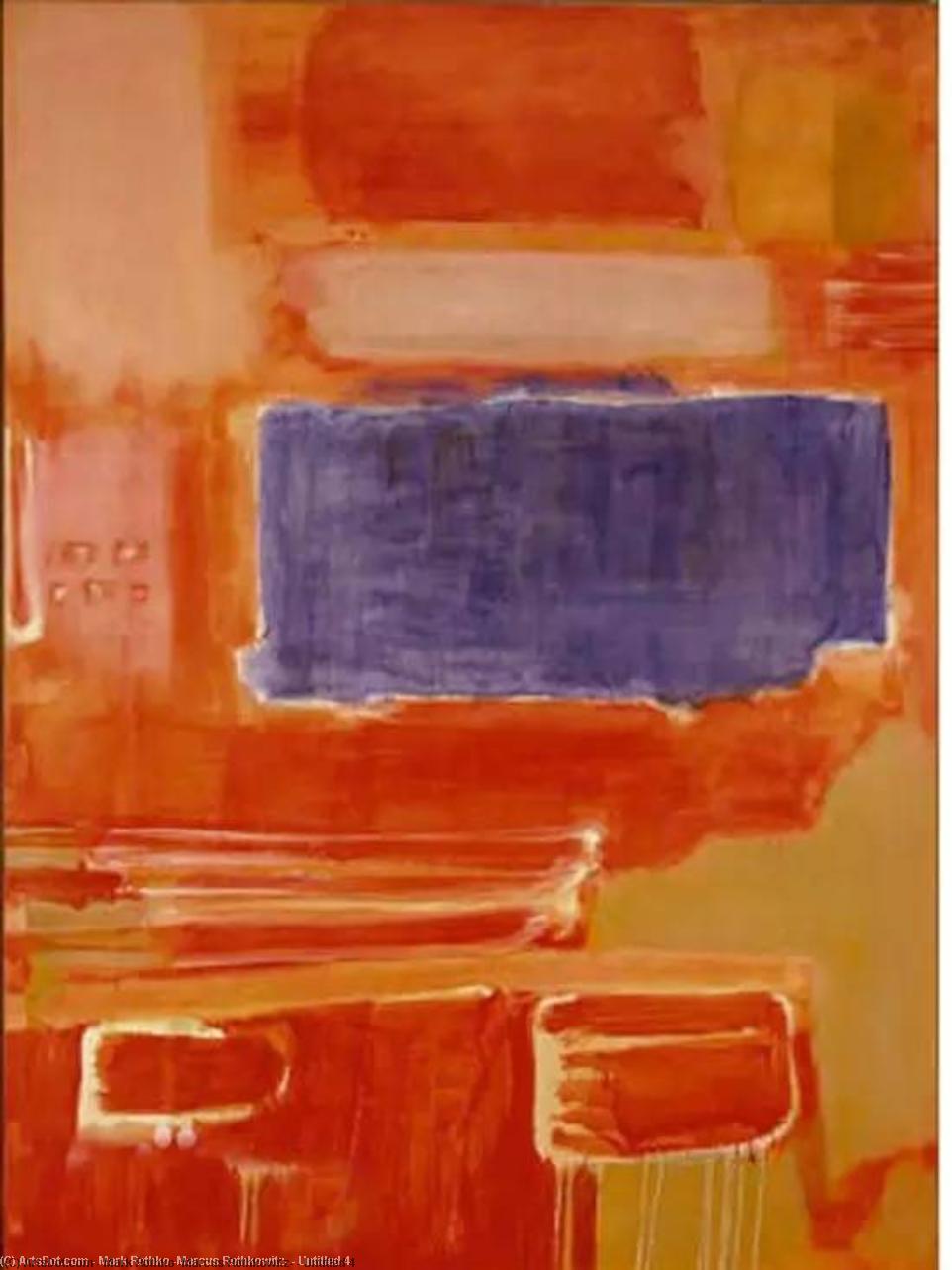
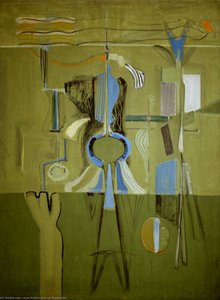
Untitled 4

Explore la vida y obra de Mark Rothko (1903-1970), un pintor clave del Expresionismo Abstracto. Descubre sus icónicos cuadros de campo de color, su profundidad emocional e impacto perdurable en el arte moderno. #ExpresionismoAbstracto #CamposDeColor #Rothko #HistoriaDelArte

La obra de arte que se muestra en esta página está protegida por las leyes de propiedad intelectual, lo que significa que no podemos crear ni vender legalmente una reproducción idéntica. Esta protección se hace cumplir en virtud de acuerdos internacionales como el Convenio de Berna y por las leyes nacionales, incluidas aquellas establecidas por el Ley de derechos de autor de los EE. UU. - Título 17.

Este método cumple plenamente con las normativas de derechos de autor, ya que no implica la copia ni la duplicación de la obra protegida. En su lugar, se trata de una reinterpretación creativa: una nueva pintura influenciada por la original, pero que no es idéntica a ella.

Giclée / Impresión de arte

Impresiones giclée o en lienzo de calidad de museo con producción rápida y opciones de acabado flexibles. ( Encargar reproducción pintada a mano Ver versión en imagen digital)

Corner sample of the P118B picture frame: moulded polystyrene, 5 cm wide and 3 cm thick
P118B €10
Corner sample of the P118H picture frame: moulded polystyrene, 5 cm wide and 3 cm thick
P118H €10
Corner sample of the P118W picture frame: moulded polystyrene, 5 cm wide and 3 cm thick
P118W €10
Corner sample of the P438Z picture frame: moulded polystyrene, 5.5 cm wide and 3.5 cm thick
P438Z €10
Corner sample of the P508JH picture frame: moulded polystyrene, 7 cm wide and 3.5 cm thick
P508JH €12
Corner sample of the P508YH picture frame: moulded polystyrene, 7 cm wide and 3.5 cm thick
P508YH €12
Corner sample of the P805H picture frame: moulded polystyrene, 5 cm wide and 3.5 cm thick
P805H €10
Corner sample of the P805Z picture frame: moulded polystyrene, 5 cm wide and 3.5 cm thick
P805Z €10
Corner sample of the P919BZ picture frame: moulded polystyrene, 7 cm wide and 3.5 cm thick
P919BZ €10
Corner sample of the P919G picture frame: moulded polystyrene, 7 cm wide and 3.5 cm thick
P919G €10
Corner sample of the P919XJ picture frame: moulded polystyrene, 7 cm wide and 3.5 cm thick
P919XJ €10
Corner sample of the P959ZH picture frame: moulded polystyrene, 5 cm wide and 3 cm thick
P959ZH €10
Corner sample of the P968JZ picture frame: moulded polystyrene, 6 cm wide and 4 cm thick
P968JZ €12
Corner sample of the W106C picture frame: solid wood, 5 cm wide and 3 cm thick
W106C €8
Corner sample of the W218G picture frame: solid wood, 5 cm wide and 3 cm thick
W218G €10
Corner sample of the W218JH picture frame: solid wood, 5 cm wide and 3 cm thick
W218JH €8
Corner sample of the W218Y picture frame: solid wood, 5 cm wide and 3 cm thick
W218Y €10
Corner sample of the W307PJ picture frame: solid wood, 6 cm wide and 3 cm thick
W307PJ €10
Corner sample of the W316G picture frame: solid wood, 6 cm wide and 3 cm thick
W316G €10
Corner sample of the W316PJ picture frame: solid wood, 6 cm wide and 3 cm thick
W316PJ €8
Corner sample of the W316Y picture frame: solid wood, 6 cm wide and 3 cm thick
W316Y €10
Corner sample of the W398PJ picture frame: solid wood, 5 cm wide and 3 cm thick
W398PJ €8
Corner sample of the W4111J picture frame: solid wood, 6.5 cm wide and 3.5 cm thick
W4111J €10
Corner sample of the W500HY picture frame: solid wood, 7 cm wide and 5 cm thick
W500HY €15
Corner sample of the W500JH picture frame: solid wood, 7 cm wide and 5 cm thick
W500JH €15
Corner sample of the W692G picture frame: solid wood, 8 cm wide and 4 cm thick
W692G €12
Corner sample of the W849H picture frame: solid wood, 5 cm wide and 3 cm thick
W849H €8
Corner sample of the W940BG picture frame: solid wood, 7.5 cm wide and 4.5 cm thick
W940BG €15
Corner sample of the W953PJ picture frame: solid wood, 6 cm wide and 3.5 cm thick
W953PJ €8

Estándar
personalizado
CM
INCH

Elija entre nuestros tamaños predefinidos que respetan las proporciones originales de la obra.

ancho
altura

Puede introducir sus propias dimensiones para adaptarse a un marco o espacio específico. Si el tamaño seleccionado no coincide con las proporciones de la imagen original, recortaremos la obra de arte o extenderemos la imagen con un borde con efecto espejo o de color sólido. Se enviará una maqueta digital para su aprobación antes de que comience la producción.
Tenga en cuenta que la vista previa en pantalla no refleja el recorte o la extensión real. Solo la maqueta mostrará con precisión la composición final.
Aunque existen tamaños personalizados, recomendamos seleccionar una dimensión de la lista predefinida para preservar las proporciones originales.

Envío a todo el mundo () en 2 semanas en lugar de las 4/5 semanas estándar. (10 octubre)

Envío exprés gratuito a todo el mundo
Lienzo de lino de alta calidad
Seguro de envío completo
Garantía de reembolso de impuestos aduaneros
Garantía de fidelidad cromática exacta
Política de devolución de 100 días (solo por defectos)
Garantía de devolución del 100% del dinero
Oferta por volumen

Precio total

€ 59

Untitled 4

Giclée / Impresión de arte

Tamaño de la reproducción

-

Precio total

€ 59

Datos clave

  • Location: National Gallery of Art, Washington D.C.
  • Artistic style: Color Field Painting
  • Medium: Oil on Canvas
  • Artist: Mark Rothko
  • Movement: Abstract Expressionism
  • Influences: Gestalt Psychology
  • Notable elements or techniques: Layered rectangles of color

Cuestionario de arte

Cada pregunta tiene una única respuesta correcta.

Pregunta 1:
What is the predominant color scheme of this painting by Mark Rothko?
Pregunta 2:
Which artistic movement is Mark Rothko associated with?
Pregunta 3:
What technique did Rothko employ to achieve the layered, luminous quality of his canvases?
Pregunta 4:
The painting’s composition emphasizes what key element of Rothko’s artistic philosophy?
Pregunta 5:
Where was Mark Rothko born?

A Symphony in Color: Exploring Mark Rothko’s No. 4

The painting known simply as “No. 4” by Mark Rothko is more than just pigment on canvas; it's an invitation into a realm of profound contemplation and emotional resonance. Created in 1964 during his prolific period, this monumental work embodies the core tenets of Rothko’s signature style – Color Field Painting – a movement that revolutionized abstract art and continues to captivate audiences worldwide.
  • Subject Matter: At first glance, “No. 4” presents itself as deceptively simple. It consists of five rectangular blocks of color—primarily deep crimson, cadmium orange, and slate blue—layered atop one another. These rectangles are not sharply delineated; instead, they bleed into each other subtly, creating an ethereal haze that obscures precise boundaries.
  • Style: Rothko’s approach transcends mere representation. He eschewed traditional artistic conventions, rejecting illusionistic depth and perspective altogether. Instead, he sought to convey emotion directly through color alone—a radical departure from the prevailing aesthetic sensibilities of his time.
The technique employed by Rothko was meticulously crafted. He applied thin washes of paint onto unstretched linen canvases, allowing gravity to manipulate the colors into horizontal bands. This method prioritized texture and luminosity over meticulous detail, resulting in surfaces that shimmer with an inner radiance. The artist himself described his process as “making a painting,” emphasizing its meditative quality—a deliberate act of creation intended to elicit a visceral response from the viewer.

Historical Context: Minimalism and Existential Anxiety

“No. 4” emerged during a period marked by significant cultural upheaval. The rise of Minimalism in the mid-1960s challenged the dominance of figurative art, advocating for austere compositions and unadorned surfaces as expressions of intellectual seriousness. Simultaneously, anxieties surrounding nuclear proliferation and the Cold War fueled existential concerns about humanity’s place in the cosmos—themes that resonated deeply with Rothko's artistic vision. He wasn’t attempting to depict a specific scene or narrative; rather, he aimed to tap into universal human experiences – grief, joy, transcendence – feelings conveyed through pure color.

Symbolism and Emotional Impact

Rothko deliberately avoided explicit symbolism, believing that color itself possessed inherent expressive power. However, scholars have interpreted the hues within “No. 4” as representing a spectrum of emotions—crimson symbolizing passion and vulnerability, orange conveying warmth and optimism, and blue embodying serenity and contemplation. The layering effect contributes to this emotional depth, suggesting an unfolding process of feeling rather than a static depiction. Viewing No. 4 is said to induce a state of calm introspection; it encourages the viewer to surrender to the painting's immersive quality and allow themselves to be carried away by its evocative beauty.

A Legacy of Color

“No. 4” stands as a testament to Rothko’s unwavering commitment to exploring the expressive potential of color—a legacy that continues to inspire artists and collectors alike. Its enduring appeal lies in its ability to bypass intellectual analysis altogether, communicating directly with the viewer's subconscious mind. A high-quality reproduction captures not only the visual splendor of this masterpiece but also its profound emotional core – a reminder that art can transcend language and offer access to realms of feeling beyond words.

Preguntas y respuestas

¿Es "Untitled 4" una de las obras más populares de Mark Rothko?

El nivel de popularidad registrado para "Untitled 4" de Mark Rothko es Iconic.

¿Puedo pedir una reproducción al óleo de "Untitled 4"?

Puede solicitar una reproducción pintada a mano de "Untitled 4" de Mark Rothko directamente en esta página: una reproducción al óleo pintada a mano sobre lienzo de lino, realizada bajo pedido.

¿Cómo puedo obtener un archivo digital de "Untitled 4" de Mark Rothko?

Puede adquirir una imagen digital de "Untitled 4" de Mark Rothko en esta página: descarga de una imagen digital en alta resolución.

¿Está "Untitled 4" disponible como una impresión de bellas artes?

Para obtener una impresión de "Untitled 4" de Mark Rothko, simplemente pídala en esta página: una impresión de bellas artes sobre lienzo de algodón o papel de lienzo de archivo.

¿Cuál es el color dominante de "Untitled 4" de Mark Rothko?

El Rosy Brown (#d39671) es el color predominante de "Untitled 4" de Mark Rothko.

¿Quién es el artista detrás de "Untitled 4"?

"Untitled 4" fue creada por Mark Rothko. La información en esta página describe la obra original de Mark Rothko.

¿De qué está hecho "Untitled 4"?

"Untitled 4" está ejecutada en Acrylic On Canvas.


Biografía del artista

vida temprana e influencias

Mark Rothko (Marcus Rothkowitz), un reconocido artista estadounidense, nació el 25 de septiembre de 1903 en Dvinsk, Letonia. Su familia emigró a los Estados Unidos cuando tenía solo diez años. Este cambio cultural influyó más tarde en su estilo artístico.

evolución artística

La obra temprana de Rothko se caracterizó por el **expresionismo abstracto**, un estilo que enfatizaba el proceso de creación del arte más que el producto final. Sus pinturas, como No. 18 (1948) y Untitled (1948), mostraban su enfoque único del color y la forma.
  • **Campo de color:** El uso de campos de color rectangulares audaces por Rothko, a menudo en marcado contraste entre sí, creó una sensación de profundidad y emoción.
  • **Estructura orgánica:** Sus pinturas parecían respirar vida, como si los colores fueran entidades vivientes.

obras notables y exposiciones

  • No. 10 (1950), una pintura que marcó un cambio significativo en el estilo de Rothko, ahora forma parte de la colección del Museo de Arte Moderno.
  • Las murales de Seagram, una serie de pinturas encargadas para el restaurante Four Seasons, mostraron la capacidad de Rothko para adaptar su estilo a diferentes entornos.
  • No. 3 (1950), una pintura que ejemplifica el uso de campos de color rectangulares audaces por Rothko.

vida tardía y legado

La vida de Rothko estuvo marcada por las luchas con la salud mental y un matrimonio tumultuoso. Falleció el 25 de febrero de 1970, a los 66 años. A pesar de sus desafíos, Rothko dejó una huella imborrable en el mundo del arte. Ocre y rojo sobre rojo (campo de color), una pintura que muestra el enfoque único del color de Rothko, se puede encontrar en la colección WahooArt.com. La página de Wikipedia de Mark Rothko proporciona más información sobre su vida y estilo artístico.
Mark Rothko

Mark Rothko

1903 - 1970 , Letonia

Datos clave

  • Artistas Que Influyeron:
    • Edward Hopper
    • Pablo Picasso
  • Fecha De Muerte: 25 de febrero de 1970
  • Fecha De Nacimiento: 25 de septiembre de 1903
  • Influencia En Artistas:
    • Minimalismo
    • Arte contemporáneo
  • Lugar De Nacimiento: Daugavpils, Letonia
  • Movimiento Artístico: Expresionismo Abstracto
  • Nacionalidad: Estadounidense
  • Nombre Completo: Mark Rothko (Marcus Rothkowitz)
  • Obras Notables:
    • No. 18 (1948)
    • No. 10 (1950)
    • Murales Seagram
    • No. 3 (1950)
Explore obras de arte organizadas por temas, estilos y características.